

Crocodile Ancestors Find Last Refuge After Dinosaurs' Demise
Following the dinosaurs' extinction 66 million years ago, mammals were not alone as Earth's dominant land animals. The ferocious land-living crocs, known as sebecids, emerged as apex predators. Recent fossil findings in the Dominican Republic show that the Caribbean islands served as an unexpected last refuge for these prehistoric creatures.
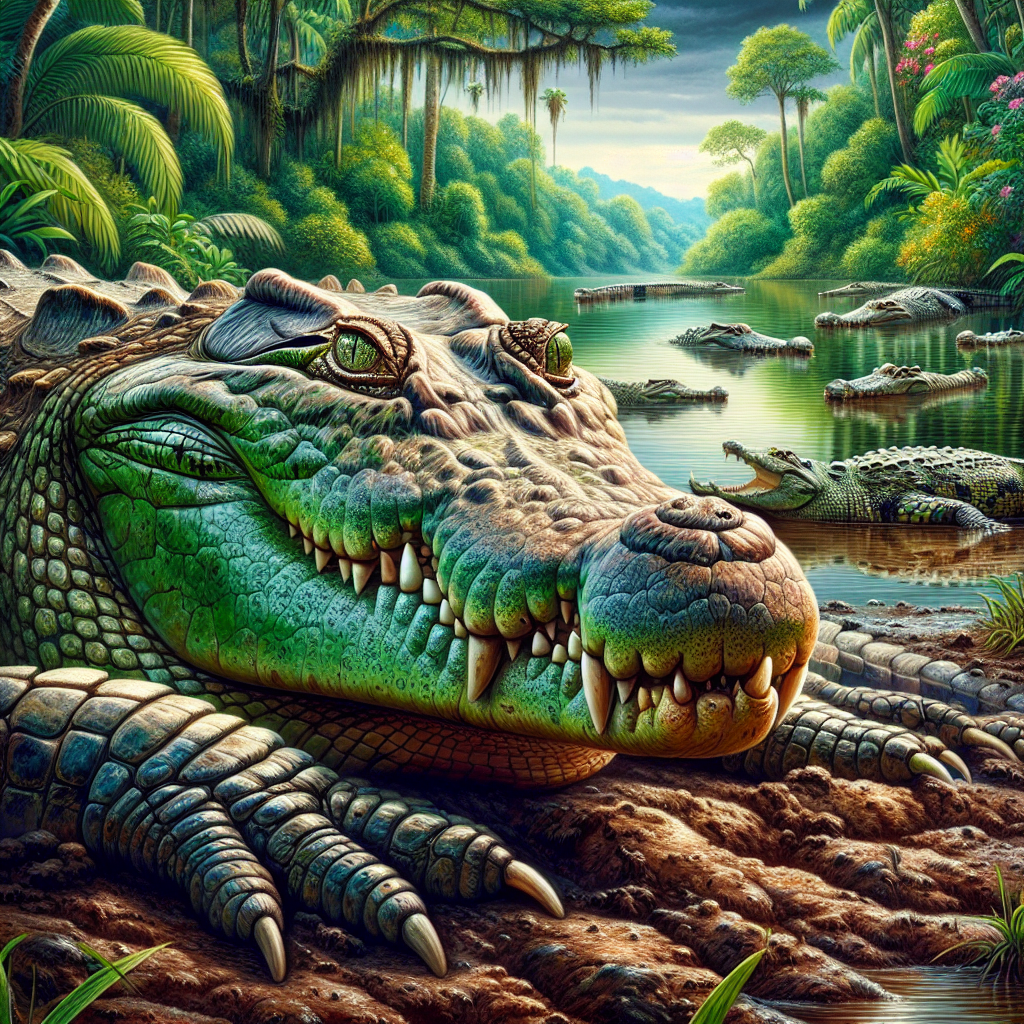
66 million years ago, after an asteroid wiped out the dinosaurs, mammals began to dominate Earth's landscape. However, they faced formidable competition from land-dwelling crocodile relatives known as sebecids.
Recent fossil discoveries in the Dominican Republic reveal that sebecids used the Caribbean islands as a sanctuary, challenging previous perceptions of their existence timeframe.
Despite ancient mammalian prowess, these ferocious crocs emerged as top predators, showcasing their resilience and adaptability in a post-dinosaur world. Today's researchers believe these crocs outlasted expectations, finding shelter in previously overlooked locales.


 Google News