

Bonded Warehouse Boom: Navigating Tariff Turbulence in U.S.-China Trade
Companies importing from China to the U.S. are rapidly converting warehouses to bonded status to delay tariff payments amid trade policy uncertainty. Bonded warehouses offer cash flow advantages, though some applications face delays. Space costs have surged due to increased demand driven by tariff restrictions and policy volatility.
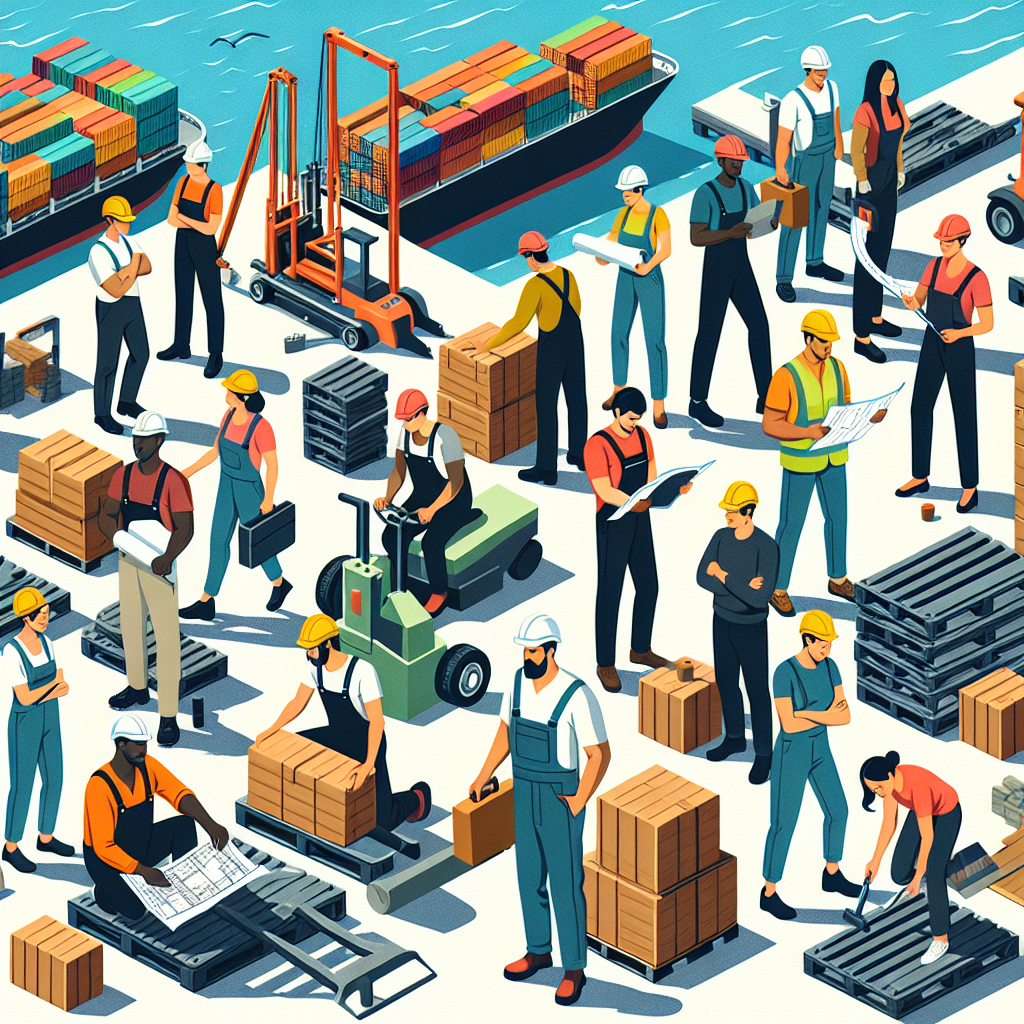
Importing companies in the U.S. are making a swift shift to bonded warehouses to delay tariff payments on Chinese goods, amid the unpredictability of existing trade policies. These facilities allow businesses to hold goods without immediate tariffs, offering a strategic financial reprieve.
The surge in demand for bonded warehouses has spiked rates due to limited availability, with costs reportedly quadrupling compared to non-bonded options. The process for approval can extend over six months, causing a backlog at U.S. Customs and Border Protection.
With tariffs fluctuating, businesses face a gamble in expanding bonded capacities. Experts warn of potential risks if U.S. tariffs return to previous highs after temporary reductions. Despite this, companies continue to leverage these warehouses for improved financial agility amid ongoing trade tensions.
ALSO READ
-
WTO Sets Up Panel on EU Carbon Border Rules as Russia Challenges Restrictions
-
WHO Brings Global Experts Together to Strengthen Herbal Medicine Quality and Safety
-
Human Cost of Faster Work: Chinese Employees Weigh AI’s Promise Against Pay Fears
-
EU Firms Rethink Supply Chains as Geopolitical Risks Reshape Global Trade
-
China's August Disasters Yield $5.38 Billion in Losses


 Google News