

Low Speed Electric Vehicle Market: Growth Potential, Competition and Strategies
Stringent government norms for vehicular emission, technological advancements, rapid advancements in automotive industry, alarming depletion rate of fossil fuel reserves, and increase in fuel costs propel the growth of the global low speed electric vehicle market.
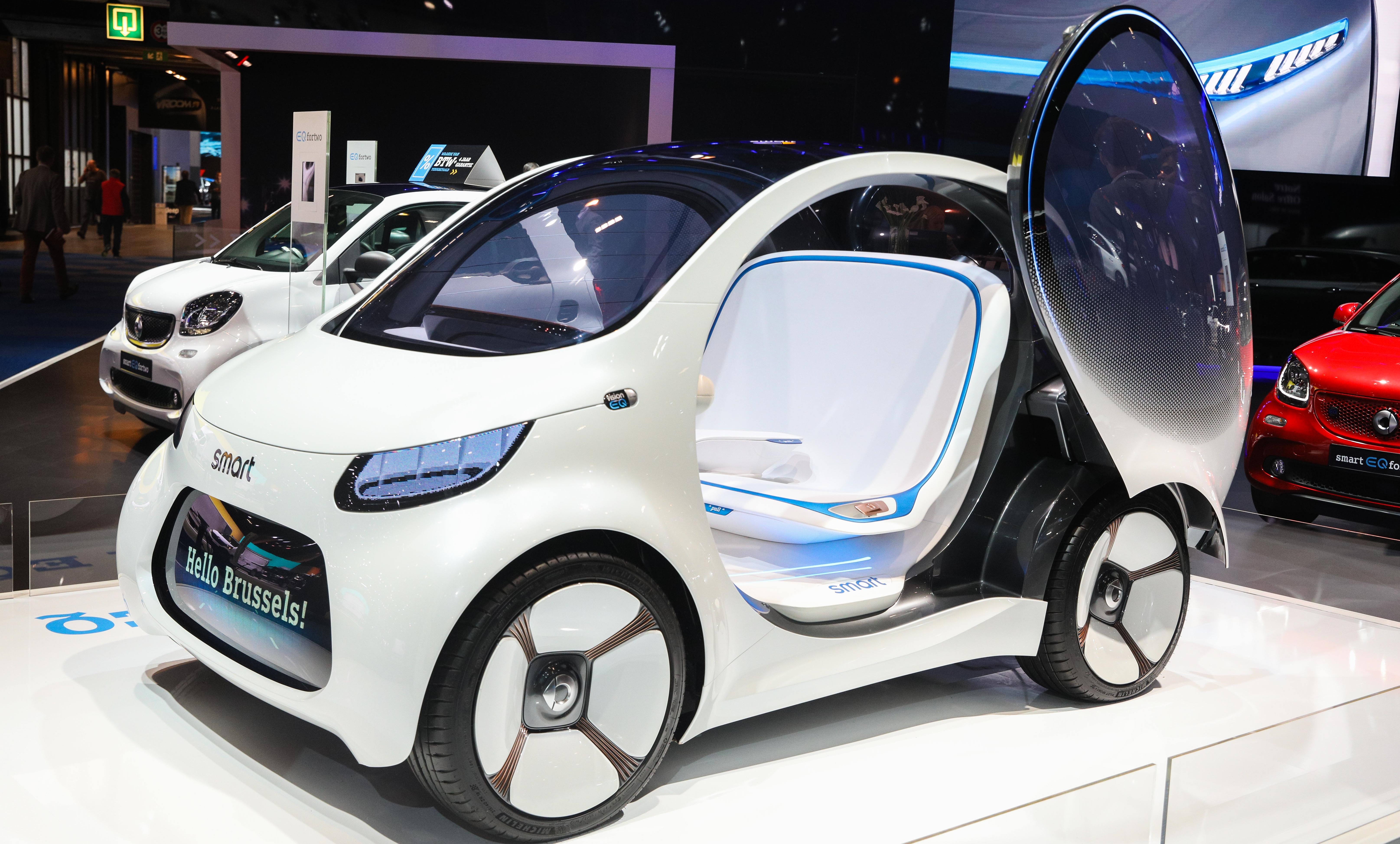
A report titled 'Low-speed Electric Vehicles Market by Vehicle Type (Passenger Vehicle, Heavy-duty Vehicles, Utility Vehicles, and Off-road Vehicles), and End User (Golf Courses, Tourist Destinations, Hotels & Resorts, Airports, Residential & Commercial Premises, and Others) - Global Opportunity Analysis and Industry Forecast, 2018-2025' published by Allied Market Research offers extensive analyses of the key winning strategies, industry dynamics, market size and estimations, top investment pockets, and competitive landscape. As per the report, the global low-speed electric vehicle market garnered $2.39 billion in 2017 and is projected to reach $7.62 billion by 2025, registering a CAGR of 15.4% from 2018 to 2025.
Stringent norms for vehicular emission due to deteriorating air quality, the rise in popularity of neighborhood electric vehicles for the short commute, surge in fuel costs, and diminishing reserves of conventional resources drive the growth of the low-speed electric vehicle market. However, the high cost of vehicles and lack of adequate charging infrastructure are expected to hinder the market growth. Conversely, an increase in government subsidies and the rise in R&D activities in the sector for launching more efficient electric vehicles would provide lucrative opportunities to the market.
Off-road vehicle segment to dominate, heavy-duty vehicle segment to register the fastest growth by 2025
Among vehicle types, the off-road vehicle segment held the largest share in 2017, accounting for of two-fifths of the total market revenue. This is attributed to factors such as high performance and robustness coupled with a rapid proliferation of hospitality and tourism industry. On the other hand, the heavy-duty vehicle segment is expected to grow at the fastest CAGR of 21.5% due to the growing demand for low speed heavy-duty commercial vehicles at golf courses, hotels, and construction sites for carrying loads, passengers, or equipment over short distances. The report also analyzes the passenger vehicle and utility vehicle segments.
Golf courses segment to dominate through 2025
Among end users, the golf courses segment held the largest share in 2017, accounting for nearly two-fifths of the total market share. It is expected to maintain this trend through 2025 on account of the growing demand for golf carts at golf courses due to growing interest in leisure activities, increasing disposable income, improving standards of living, and technological improvements in such vehicles. However, the residential & commercial premises segment would grow at the fastest CAGR of 21.7%, owing to the increased use of low-speed electric vehicles in mega township projects for ferrying individuals and high demand for low-cost transportation and rental services in commercial and educational institutes. The other end users analyzed in the report are tourist destinations, hotels & resorts, and airports.
North America to accrue the highest revenue, Asia-Pacific to grow the fastest through 2025
North America accounted for 41% of the total market revenue in 2017 and is anticipated to retain its lion's share through 2025. This is on account of the extensive adoption of advanced electric vehicles and increased demand for fuel-efficient and eco-friendly vehicles in the region. Moreover, the availability of battery charging stations in the region supplements the growth of the market in the region. However, the Asia-Pacific region would register the highest CAGR of 16.6% from 2018 to 2025 due to increased adoption of smart mobility services, government incentives to promote sales of electric vehicles, rapid urbanization, the rise in fuel prices, and increased awareness about non-conventional fuel-driven vehicles in the region. The other regions analyzed in the report include Europe and Latin America, the Middle East and Africa (LAMEA).
Key players of the industry
The key market players analyzed in the report include HDK Electric Vehicles, Bradshaw Electric Vehicles, Textron Inc., Polaris Industries, Yamaha Motors Co. Ltd., Ingersoll Rand, Inc., Speedway Electric, AGT Electric Cars, Bintelli Electric Vehicles, and Ligier Group. New product launches, joint ventures, expansions, mergers and acquisitions, partnerships, collaborations, and others are some of the strategies implemented by these players to gain a leadership position in the industry.
- FIRST PUBLISHED IN:
- Swati Tamhankar


 Google News