

TDB Backs Pune Firm’s Biofuel Project Using Farm Waste
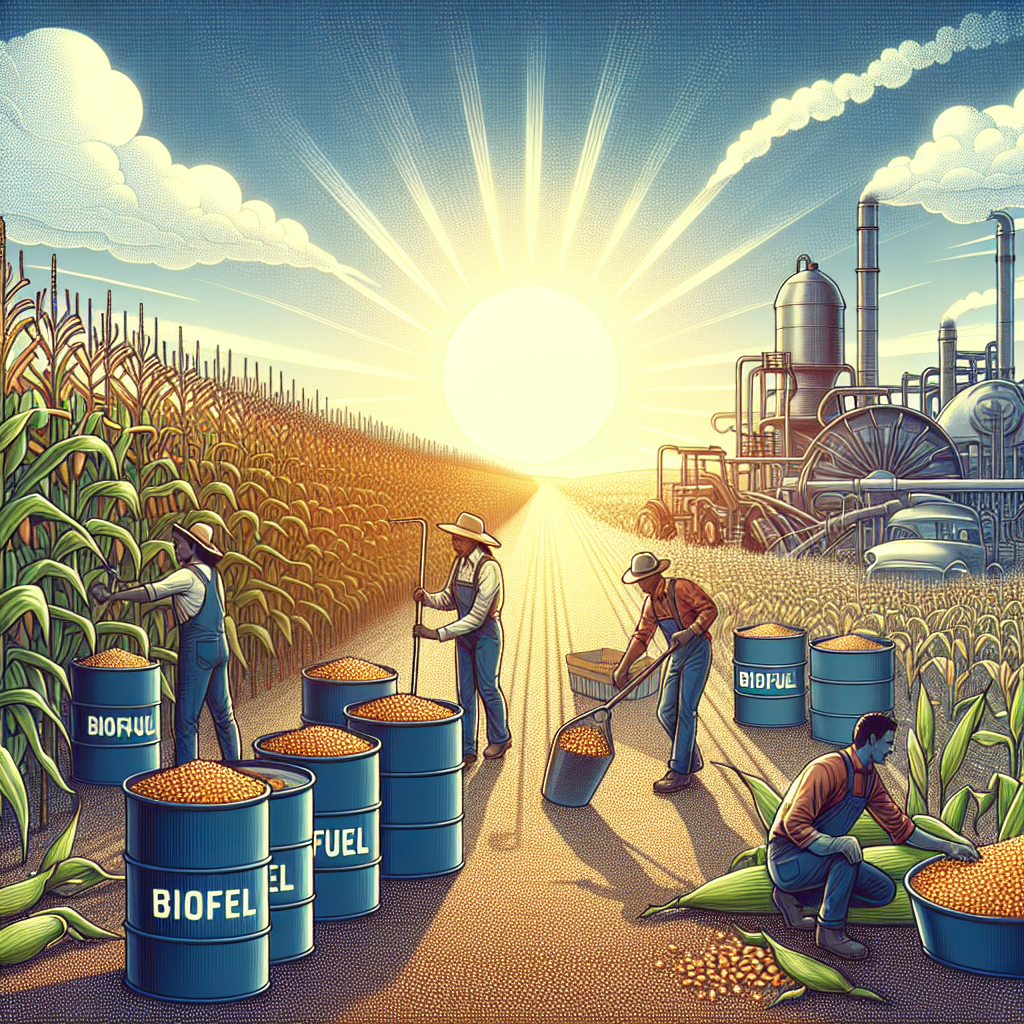
Greenjoules has developed a thermo-chemical conversion process that transforms agricultural residues and agro-processing waste into high-quality renewable fuels.
- Country:
- India
India's push towards cleaner energy and sustainable industrial growth has received a fresh boost with government support for a new biofuel manufacturing project that turns agricultural waste into renewable fuel. The Technology Development Board (TDB), under the Department of Science and Technology (DST), has extended financial support to Pune-based Greenjoules Private Limited for setting up a commercial-scale facility to produce second-generation diesel-equivalent biofuel. The initiative is expected to strengthen India's energy security while creating value from agricultural residues that are often discarded or burned.
Indigenous Technology Converts Waste into Renewable Fuel
The project will establish a greenfield manufacturing plant for producing Abhilasha Biofuels (ABF), a renewable diesel and naphtha alternative developed entirely through Indian technology. Unlike many alternative fuels that require engine modifications or dedicated infrastructure, ABF can be used directly in place of conventional diesel, making its adoption easier across transportation and industrial sectors.
Greenjoules has developed a thermo-chemical conversion process that transforms agricultural residues and agro-processing waste into high-quality renewable fuels. The technology combines thermal cracking, catalytic upgrading, and refining processes to produce fuels that closely match the performance and quality of conventional fossil fuels.
One of the major strengths of the technology is its ability to work with a wide variety of feedstocks. The company has already demonstrated successful fuel production from nearly 40 different types of biomass, giving it flexibility to utilize agricultural waste available across different regions of the country.
Focus on Circular Economy and Rural Value Creation
A key aspect of the project is Greenjoules' expertise in selecting suitable biomass combinations and pairing them with customized catalyst systems to improve fuel yields and production efficiency. This integrated approach forms the company's core intellectual property and helps make advanced biofuel production commercially viable. Beyond renewable diesel, the facility will also produce renewable naphtha, biochar, and gaseous fuels. This broader product portfolio supports the development of a complete waste-to-energy ecosystem where low-value agricultural residues are converted into useful energy products instead of being left to decompose or burn in fields.
The project also addresses several national concerns. Agricultural residue burning remains a major source of seasonal air pollution in many parts of India. Creating a market for such waste can provide farmers with additional income opportunities while reducing environmental damage.
Supporting India's Clean Energy Ambitions
The initiative aligns with the National Biofuel Policy and the government's efforts to build a circular economy driven by indigenous technologies. It also contributes to India's long-term goal of reducing dependence on imported fossil fuels and expanding domestic clean energy production.
TDB Secretary Rajesh Kumar Pathak said advanced biofuels produced from agricultural residues offer a practical route towards energy security, environmental sustainability, and rural economic development. He noted that technologies capable of converting waste into valuable fuels can create economic opportunities while supporting India's clean energy transition.
Greenjoules welcomed the support, saying it would help accelerate commercialization of its technology and expand the deployment of sustainable fuel solutions across transportation and industrial sectors. The company believes the project marks an important step towards building a cleaner, more self-reliant, and energy-secure future for the country.


 Google News