

Science News Roundup: Staring at seagulls can stop them stealing food, research shows; Chinese space startup revs up for reusable rocket race
Following is a summary of current science news briefs.
Staring at seagulls can stop them stealing food, research shows
Britain's seaside towns are at war with their seagulls, urging visitors not to feed the birds in an effort to stop them snatching titbits like potato chips from tourists' hands. Warning signs deck promenade railings from Scarborough to Broadstairs and beyond but new research from the University of Exeter has suggested an easy way for holidaymakers to deter the gulls - just stare at them.
Chinese space startup revs up for reusable rocket race
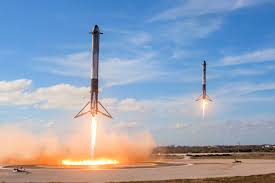
Chinese startup LinkSpace on Saturday completed its third test of a reusable rocket in five months, stepping up the pace in China's race to develop a technology key to cheap space launches in an expected global boom in satellite deployment. LinkSpace's RLV-T5 rocket blasted off in a desert in western Qinghai province at 0230 GMT. It flew as high as 300 meters (984 feet) before returning to the launchpad on its own after 50 seconds, CEO Hu Zhenyu, 26, told Reuters.
United Launch Alliance rocket blasts off from Florida carrying Air Force communications satellite
United Launch Alliance, a joint venture between Boeing Co and Lockheed Martin Corp, blasted off into space on Thursday morning, one of the final satellites for the U.S. Air Force's new secure communications network. The satellite was launched at 6:13 a.m. (1030 GMT) from Florida's Cape Canaveral Air Force Station atop ULA's Atlas V rocket, the same vehicle primed to send a manned space capsule into orbit for NASA by 2020.


 Google News