

EMERGING MARKETS-Currencies fall on firmer dollar, slowdown fears
The MSCI's index for EM currencies fell 0.2% as the dollar rose ahead of a U.S. jobs report that could help the U.S. Federal Reserve decide whether to hike interest rates by up to 50 basis-points next month. "The big news on Friday is the latest batch of U.S. jobs and wage growth data," said Russ Mould, investment director at AJ Bell.
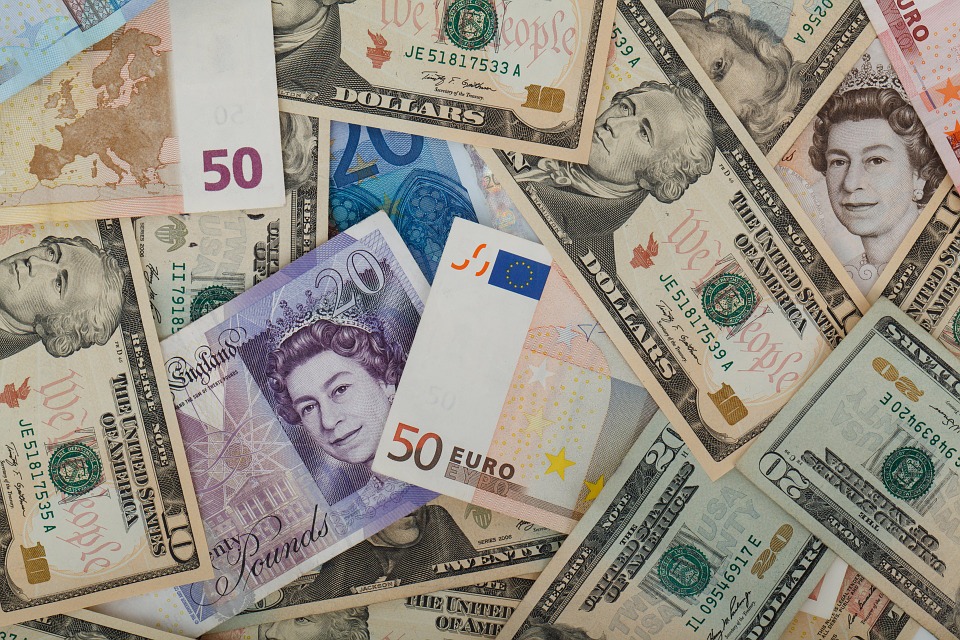
Most major emerging market currencies fell against a stronger dollar on Friday ahead of U.S. jobs data and as slowing Asian factory activity, rising inflation and uncertainty over the Ukraine crisis spoiled risk appetite.
Data showed activity at Asian factories slowed in March on falling Chinese demand and as rising raw material costs due to the Ukraine crisis added pressure to firms already suffering from lingering supply chain disruptions. Central banks across the world have been raising interest rates to combat heightening inflationary pressures, with those in emerging markets having tightening cycles in place since last year.
That brought into question how aggressively central banks would raise interest rates, which could potentially trigger a recession. The MSCI's index for EM currencies fell 0.2% as the dollar rose ahead of a U.S. jobs report that could help the U.S. Federal Reserve decide whether to hike interest rates by up to 50 basis-points next month.
"The big news on Friday is the latest batch of U.S. jobs and wage growth data," said Russ Mould, investment director at AJ Bell. "The Fed said inflation rather than jobs is now its primary source of concern. Therefore, it is likely to be more interested in wage growth than the headline jobs data, particularly with a view to forming a decision on whether interest rates should go up at its next policy committee meeting and by how much."
The dollar remained in favour for its safe-haven appeal as Russian President Vladimir Putin threatened to cut off gas supplies to Europe unless paid in local currency from April 1. Russia's rouble fell to 82 against the dollar, slipping for the first time in 10 straight days in onshore trading.
The rouble has had nearly half its value wiped out in the immediate aftermath of the war, but has since then been steered by capital controls, a ban on buying cash dollars and euros as well as other administrative measures. Hungary's forint, the Czech crown and Poland's zloty traded flat to lower against the euro, with markets also eying general elections in Hungary over the weekend.
Emerging markets wrapped up their first quarter with gains on Thursday, with Latin American markets outshining their peers as stinging Western sanctions on Russia sparked a surge in commodity prices. South Africa's rand eked out gains in choppy trading. Moody's is due to publish its latest assessment on the country after market close.
Moody's has a long-term foreign-currency rating on Ba2 with a negative outlook on the country. For GRAPHIC on emerging market FX performance in 2022, see http://tmsnrt.rs/2egbfVh For GRAPHIC on MSCI emerging index performance in 2022, see https://tmsnrt.rs/2OusNdX
For TOP NEWS across emerging markets For CENTRAL EUROPE market report, see
For TURKISH market report, see For RUSSIAN market report, see
ALSO READ
-
Inside Russia’s SMR School, Where Nuclear Experience Shapes Future Energy Decisions
-
WTO Sets Up Panel on EU Carbon Border Rules as Russia Challenges Restrictions
-
Russia’s Reach Beyond Borders Leaves Exiled Critics Living in Fear, UN Expert Warns
-
Ukraine Faces Another Bitter Winter as UN Inquiry Warns of Deepening Civilian Harm
-
Ukraine War: UN Documents 1,004 Sexual Violence Cases and Calls for Justice


 Google News