

UN Expert Condemns Taliban's Systematic Abuse of Women and Girls as Potential Crimes Against Humanity
In conclusion, Bennett's report underscores the urgent need for international action to address the grave human rights situation in Afghanistan, particularly concerning women and girls.
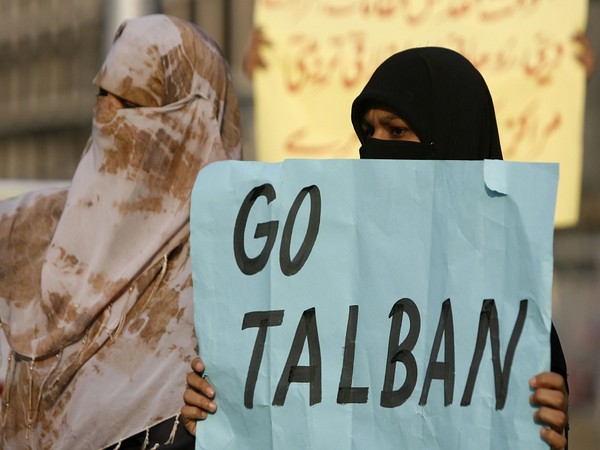
The UN Special Rapporteur on the situation of human rights in Afghanistan, Richard Bennett, delivered a stark assessment of the Taliban's systematic violations against women and girls, characterizing them as severe and extensive, potentially amounting to crimes against humanity. Here are the key points from his recent report to the Human Rights Council:
Nature of Violations
Systematic Oppression: Bennett condemned the Taliban for institutionalizing a system that systematically oppresses women and girls in Afghanistan. He highlighted the entrenched nature of these violations, spanning all levels of society and generations.
Crimes Against Humanity: The severity and scope of these violations suggest they constitute a widespread and systematic attack on the civilian population, potentially meeting the threshold for crimes against humanity. Bennett emphasized that these attacks are ongoing and escalating.
Recommendations and Calls to Action
Immediate Reversal: Bennett called on the Taliban to immediately reverse their policies that deny fundamental rights to women and girls. This includes dismantling their institutionalized gender oppression system.
Comprehensive Approach: He advocated for an "all tools" approach to challenge and dismantle Taliban policies. This includes utilizing international accountability mechanisms such as the International Criminal Court and International Court of Justice, as well as national courts under the principle of universal jurisdiction.
Support for Gender Apartheid Concept: Based on feedback from Afghan women, Bennett recommended Member States adopt and support the codification of the concept of gender apartheid, which accurately reflects the situation faced by Afghan women and girls.
International Engagement
Inclusion of Civil Society: Bennett stressed the importance of meaningful participation of Afghan civil society, particularly women human rights defenders, in international discussions on Afghanistan's future. This includes upcoming UN meetings such as the Special Envoys meeting in Doha.
Conditionality of Engagement: He emphasized that any normalization or legitimation of the de facto authorities in Afghanistan should be contingent upon concrete, measurable, and verified improvements in human rights, especially for women and girls.
Solidarity and Action
Protection and Solidarity: Bennett called for international solidarity and decisive action to protect Afghan women and girls facing Taliban oppression. He urged the international community to prioritize human rights in their engagements with Afghanistan.
Role of the International Community: Highlighting the bravery and resilience of Afghan women and girls, Bennett underscored the international community's responsibility to match their determination with robust actions aimed at safeguarding their rights and dignity.
In conclusion, Bennett's report underscores the urgent need for international action to address the grave human rights situation in Afghanistan, particularly concerning women and girls. It calls for a unified and principled approach to hold perpetrators accountable and ensure the protection and empowerment of Afghan women and girls in the face of ongoing repression.


 Google News