

Sterling's Resurgence: Investors Eye BoE's Next Moves
Sterling rose slightly as investors awaited insights from the S&P Global Composite PMI. Long positions hit an all-time high. British inflation defied forecasts, impacting BoE rate cut bets. Analysts highlighted sterling's attractiveness over other currencies. New finance minister Rachel Reeves faces budget challenges. Retail sales data reflects economic concerns.
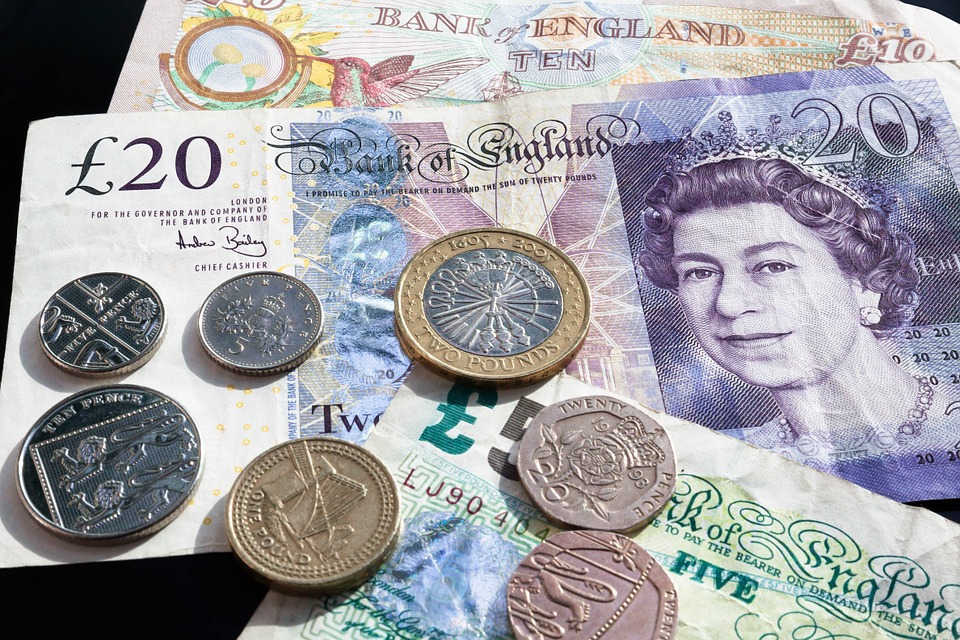
Sterling rose slightly as investors awaited further insights from the S&P Global Composite Purchasing Managers' Index, which is scheduled for release on Wednesday.
Long positions have surged for the third consecutive week, reaching an all-time high of $10.769 billion. British inflation defied forecasts last week, prompting investors to revise their expectations about the BoE's potential rate cuts next month for the first time since 2020.
Sterling was up 0.05% at $1.2935 after hitting $1.3044 last week, marking its highest level since July 2023. The euro remained flat at 84.22 euros per pound, after peaking at 84.32 euros per pound on Friday, a 1-1/2-week high.
Analysts observed that sterling appears more attractive than other 'risky' currencies. Unlike the Australian dollar, it is less tied to the Chinese economy, and Britain's political outlook is deemed more stable than that of the euro area, with fewer fiscal discipline concerns. New finance minister Rachel Reeves is expected to present her first budget following parliament's summer recess.
Both Reeves and Prime Minister Keir Starmer have ruled out raising the rates of income tax, corporation tax, and value-added tax, limiting her options to enhance public services and stimulate investment. 'The Bank of England's broad trade-weighted sterling index is now barely 3% away from levels traded in June 2016, before the Brexit vote,' noted Chris Turner, head of forex strategy at ING.
'This may signal a removal of the Brexit risk premium in sterling, bolstered by Prime Minister Keir Starmer's intent to engage more closely with Europe.' The BoE cutting rates in August is not expected to alter the British currency's outlook if the Federal Reserve adopts a similar stance in September, as currently anticipated by the markets.
Investors have priced in a 40% chance of a BoE rate cut in August and over an 80% chance in September. Market participants remain apprehensive about the economic outlook after recent data. 'If the economic recovery can be blown off course by a light breeze, maybe it was not especially strong,' commented Benjamin Nabarro, chief UK economist at Citi, referencing the weaker-than-expected retail sales figures on Friday, which raised doubts about the underlying momentum. British retail sales volumes dropped more than expected in June due to unseasonably cooler weather deterring shoppers.
ALSO READ
-
African Venture Capital Gets a Boost as Oxford Programme Builds Investor Connections
-
Services Trade Hits $9.6 Trillion, Opening New Doors for Developing Economies
-
Lee Jae Myung's Diplomatic Milestones: Balancing Amidst Global Tensions
-
Canadian Trade Minister Heads to India for Pivotal Economic Talks
-
Japan's Economic Crossroads: Takaichi's Bold Moves Amidst Debt Concerns


 Google News