

China's Low-Altitude Economy Takes Flight
China recently tested its largest cargo drone, showcasing the nation's significant advancements in the low-altitude economy. The Tengden-built drone carried a payload capacity of 2 metric tons and aims to revolutionize cargo delivery. Additionally, China is expanding helicopter taxi services, projecting major industry growth by 2030.
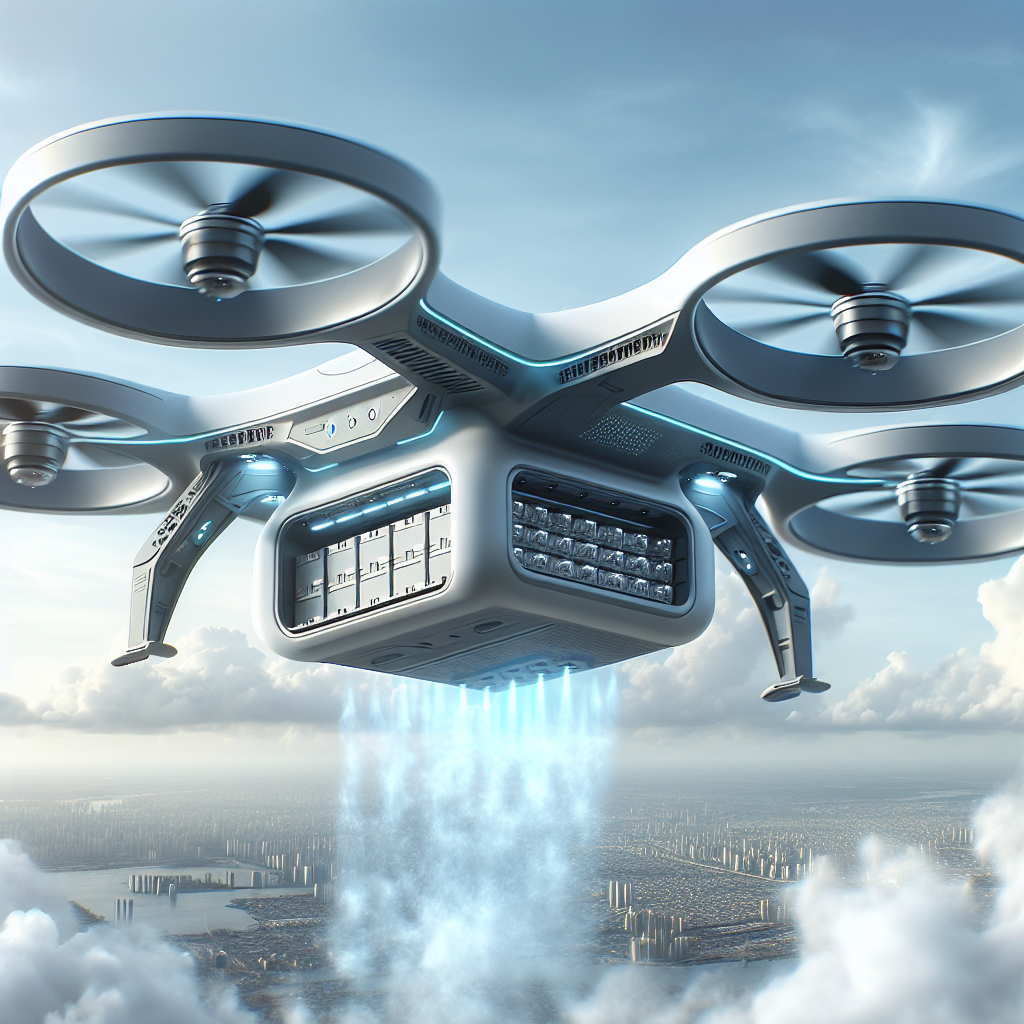
China made a significant leap in its low-altitude economy over the weekend by testing its largest cargo drone. Developed by the state-funded Sichuan Tengden Sci-tech Innovation Co, the twin-engine drone boasts a 2 metric ton payload capacity and successfully completed a 20-minute test flight in Sichuan province.
The drone, with a wingspan of 16.1 meters and a height of 4.6 meters, is comparable to a four-seat Cessna 172, the world's most popular light aircraft. This development is part of China's broader initiative to loosen airspace restrictions and offer incentives to build up its low-altitude economy, a sector projected to be worth 2 trillion yuan ($279 billion) by 2030.
China is not only enhancing drone capabilities but is also exploring aerial taxi services. Following a helicopter taxi trial run, a new 100-km route to Shanghai has been opened for commercial passengers. Shanghai aims to expand such low-altitude routes to other cities in the Yangtze River delta, with expectations of 30,000 passengers annually.
ALSO READ
-
ILO Report Reveals How to Bring Social Security Within Reach of Informal Workers
-
WTO Sets Up Panel on EU Carbon Border Rules as Russia Challenges Restrictions
-
WHO Brings Global Experts Together to Strengthen Herbal Medicine Quality and Safety
-
Human Cost of Faster Work: Chinese Employees Weigh AI’s Promise Against Pay Fears
-
China's August Disasters Yield $5.38 Billion in Losses


 Google News