

Canadian Rail Crisis: Government’s Rapid Response to End Rail Stoppage
The Canadian government swiftly intervened to halt a significant rail stoppage, involving over 9,000 unionized workers from Canadian National Railway and Canadian Pacific Kansas City. Both companies locked out workers, causing disruptions and economic impact. Labour Minister Steven MacKinnon called for a back-to-work order and binding arbitration to resolve the dispute.
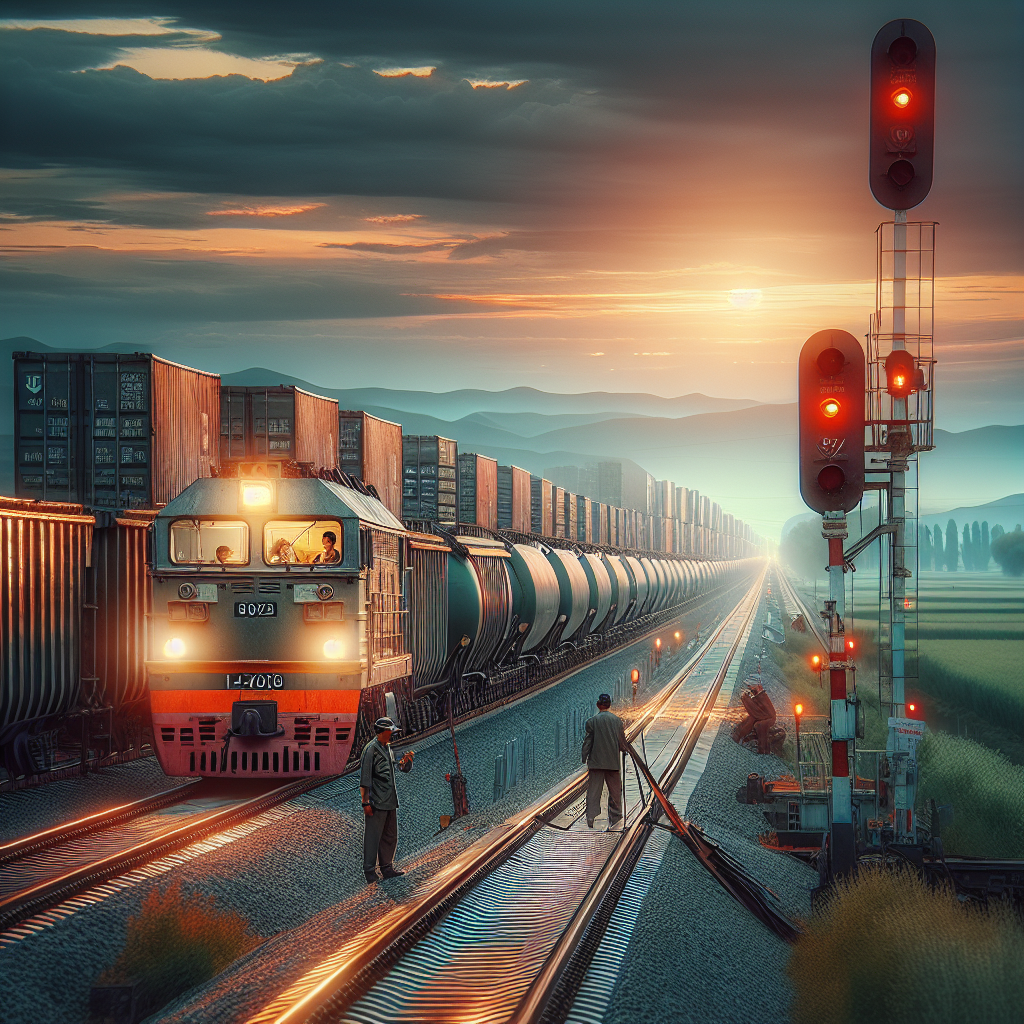
The Canadian government took swift action on Thursday to end an unprecedented rail stoppage, requesting the country's industrial relations board to issue a back-to-work order. The stoppage, initiated by Canadian National Railway and Canadian Pacific Kansas City's lockout of over 9,000 unionized workers, threatened severe economic impacts. The independent board will now consult both parties before issuing the order, which could end the lockout by 6 p.m. ET.
Labour Minister Steven MacKinnon expressed optimism that trains would resume operations within days. Alongside the back-to-work order, MacKinnon urged the board to initiate binding arbitration between the Teamsters union and the companies. The dispute arose after failed negotiations, with each side blaming the other for the deadlock.
Prime Minister Justin Trudeau's Liberal government initially aimed for a negotiated settlement but shifted tactics due to the impasse. Business groups demanded quick governmental intervention to mitigate nationwide economic repercussions. Scheduled changes and demands for better work-life balance were central to the conflict, spurred by recent labor rule reforms.


 Google News