

Inflation Crisis in Argentina: Economic Challenges Amid Political Austerity
Argentina faces high inflation and austerity measures under President Milei, impacting living costs and public sector support. Inflation rates remain in the triple digits, with economic policies affecting salaries and state subsidies. The government's actions spark protests and highlight the socio-economic divide.
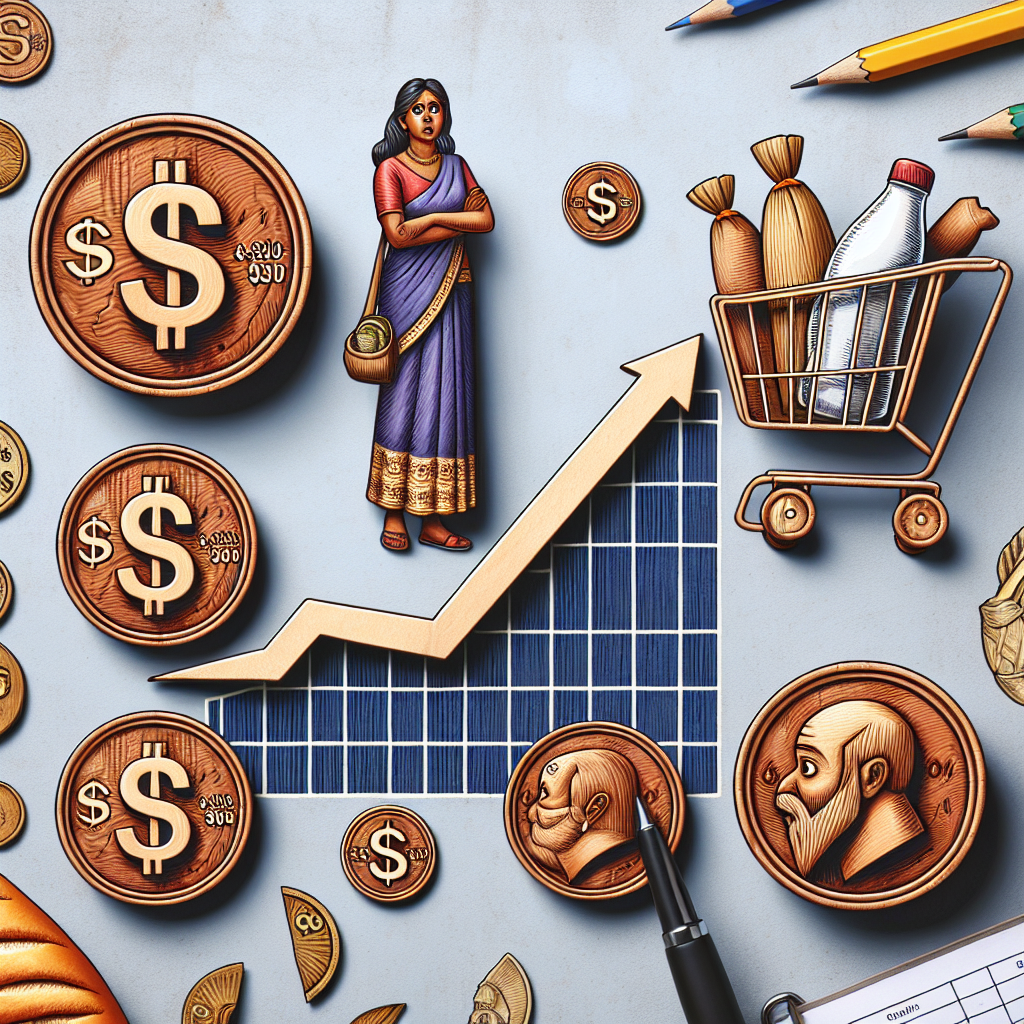
Argentina is grappling with one of the highest inflation rates in the world, forcing residents to endure skyrocketing costs while their salaries stagnate, exacerbating financial hardships.
President Javier Milei's austerity measures include slashing state subsidies and devaluing currency, leading to job cuts and exacerbating poverty levels.
Students and university workers recently protested cuts to education funding, underscoring deep-seated economic challenges despite the moderation of monthly inflation rates.
ALSO READ
-
Seychelles Growth Set to Slow to 1% as Tourism Feels the Middle East Conflict’s Impact
-
ADB Approves $1.5 Billion to Protect Philippines From Conflict-Driven Price Hikes
-
Malawi’s Fragile Recovery Faces Jobs Test; Debt and State Firms Strain Economy
-
IDB Approves $400 Million for Argentina to Strengthen Security and Reform Prisons
-
Asia’s Growth Slows to 5% as Energy Shocks and El Niño Put Regional Recovery at Risk


 Google News