

Trump's Tariff Gamble: Economic Strategy or Political Misstep?
President Donald Trump signed an order imposing steep tariffs on imports from Mexico, Canada, and China, aiming to uphold campaign promises but risking inflation and business disruption. The decision places economic growth in jeopardy, complicating trade relations and weighing on America's economic and political stability.
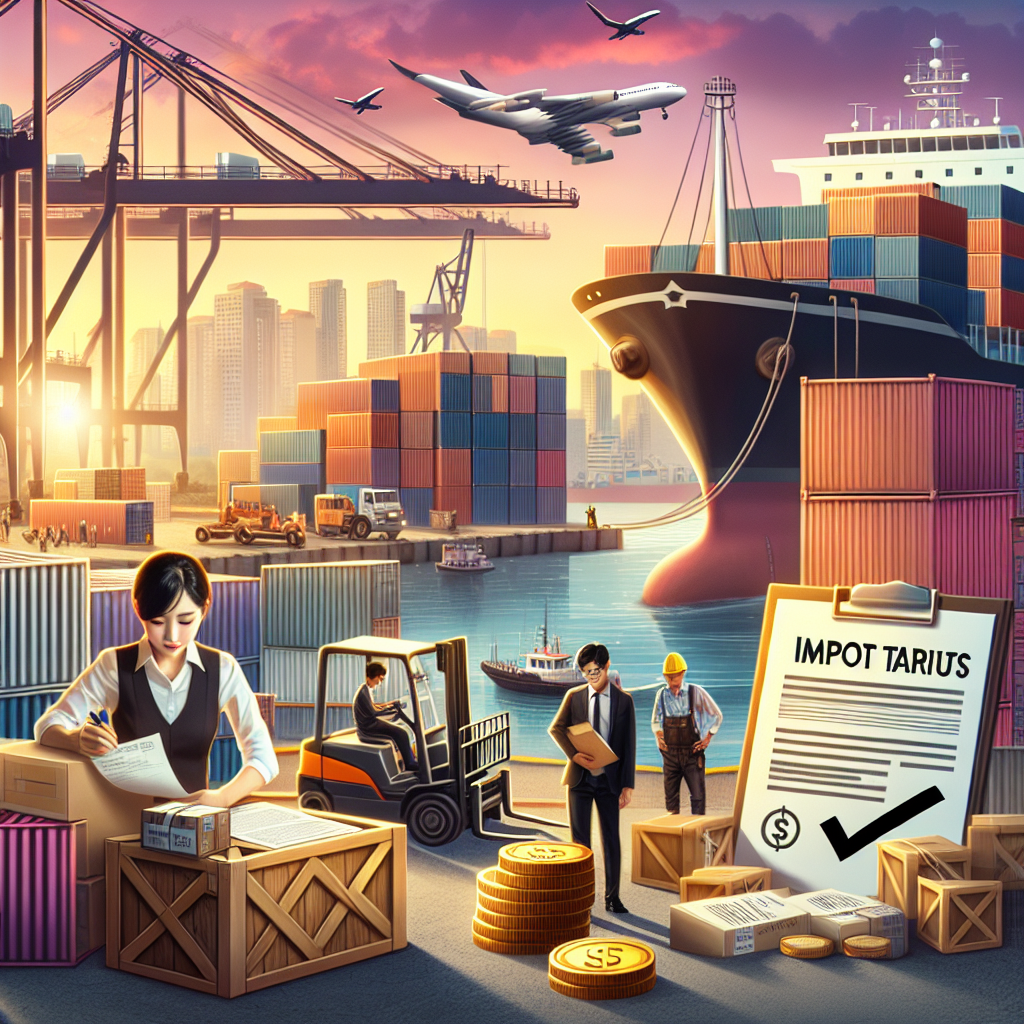
In a bold move on Saturday, US President Donald Trump signed an order to implement significant tariffs on imports from Mexico, Canada, and China. The action, aimed at fulfilling campaign promises, could potentially heighten inflation and disrupt trade, impacting businesses throughout North America.
The mechanism also allows for rate escalation if the targeted countries retaliate, a possibility officials believe is quite probable. This decision not only threatens the global economy but also tests Trump's mandate to combat inflation, evidenced by his assertion that Americans need protection.
The tariffs include a 10 percent duty on all imports from China and a 25 percent rate on Mexican and Canadian imports, taxing Canadian energy differently to prevent energy price hikes. As nations assess retaliatory measures, the tariffs cast uncertainty over longstanding trade partnerships while meeting resistance domestically and globally.
ALSO READ
-
EU Firms Rethink Supply Chains as Geopolitical Risks Reshape Global Trade
-
Lee Jae Myung's Diplomatic Milestones: Balancing Amidst Global Tensions
-
Diplomatic Moves: Takaichi's UN Meeting with Trump
-
Trade War Chessboard: Agriculture, Energy, and Rare Earths in Focus
-
High-Stakes Diplomatic Dance: Trump and Xi's Crucial Summit


 Google News