

Private Sector Crucial to Kuwait's Low-Carbon Future: ILO and KCCI Report Highlights Pathways for Green Transition
The ILO and KCCI have committed to continuing their collaboration with policymakers and businesses to advance climate resilience strategies.
- Country:
- Kuwait
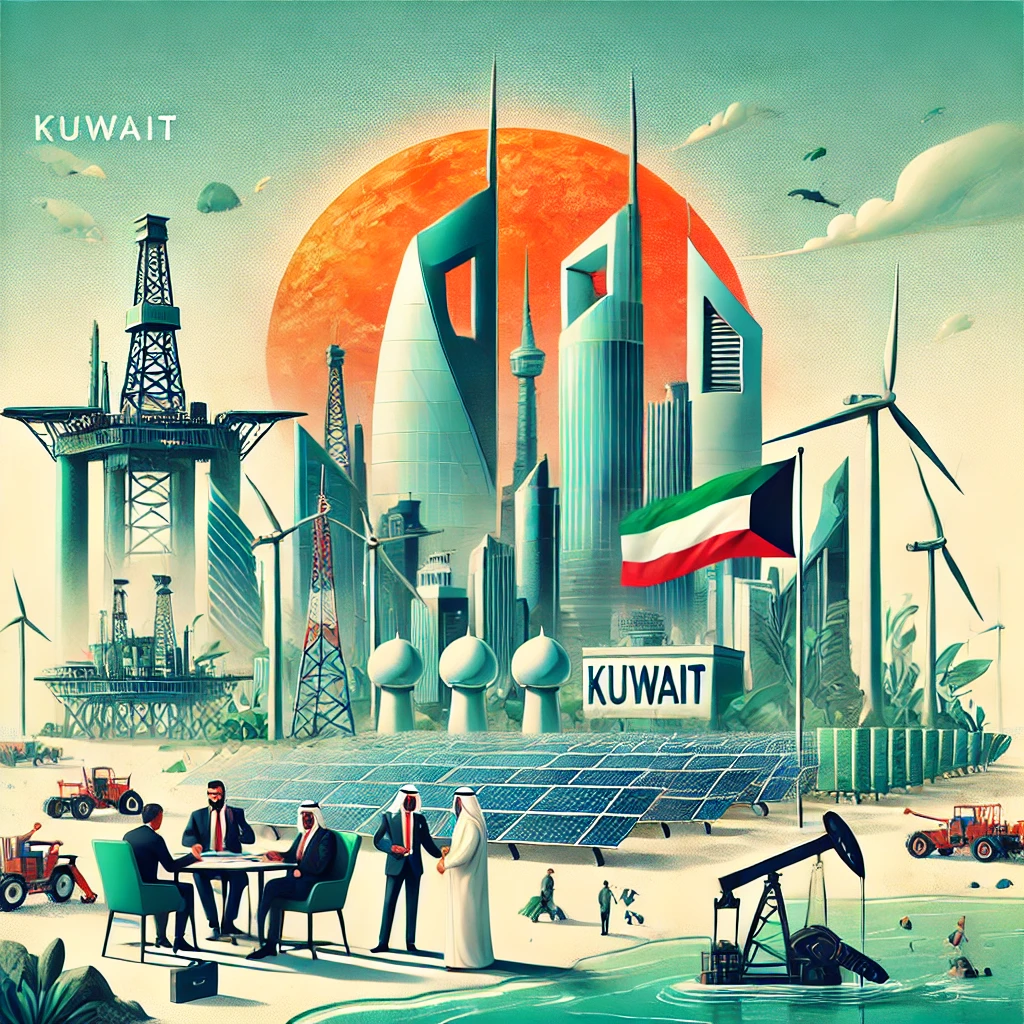
The International Labour Organization (ILO) and the Kuwait Chamber of Commerce and Industry (KCCI) have released an in-depth report outlining the critical role of the private sector in driving Kuwait's transition to a low-carbon economy. Developed through extensive research and stakeholder consultations, the report highlights key challenges, opportunities, and policy recommendations to accelerate private sector engagement in climate action.
Context and Urgency of the Report:
Kuwait's economy remains highly dependent on the oil and gas sector, which contributes 47% of the country's GDP. This dependence, combined with growing environmental challenges such as extreme heatwaves, dust storms, and rising sea levels, underscores the urgent need for sustainable solutions. Aligned with Kuwait's National Vision 2035 and commitments under the Paris Agreement, the government is revising its Nationally Determined Contributions (NDCs) this year. The report aims to ensure that private sector contributions are integrated into these updates.
Key Pillars Identified for Action:
- Comprehensive Assessment of NDCs and National Policies: The report stresses the importance of developing a clear roadmap to meet climate targets, with increased private sector participation in reducing greenhouse gas (GHG) emissions and enhancing adaptation strategies.
- Private Sector Awareness, Challenges, and Needs: The findings show that while large enterprises are advancing sustainability initiatives, small and medium-sized enterprises (SMEs) face barriers such as limited funding, logistical challenges, and a lack of technical support. The report emphasizes the need for capacity-building programs, training, and information-sharing platforms.
- Effectiveness of Government Policy Tools: Stakeholders highlighted the necessity for targeted financial incentives, subsidies, and policy frameworks that support private investment in low-carbon technologies, especially for SMEs.
- Strengthening Public–Private Communication Channels: The report underscores the need for structured dialogue mechanisms to align private sector efforts with national sustainability goals, fostering collaboration and shared accountability.
Stakeholder Insights and Validation Process:
The study incorporated feedback from private sector representatives and financial institutions through a dedicated validation workshop. Participants expressed concerns over the economic impact of climate change but also recognized sustainability as an opportunity. They stressed the need for clearer guidance, supportive policies, and accessible incentives to drive meaningful climate action.
Call to Action for Collaboration:
The report calls for a joint effort between the government and private sector to co-design inclusive policies that promote green investments. In particular, SMEs should receive targeted support to overcome barriers to sustainable practices.
Next Steps: The ILO and KCCI have committed to continuing their collaboration with policymakers and businesses to advance climate resilience strategies. The report highlights that a just transition, balancing economic growth with environmental sustainability, is key to achieving Kuwait's climate ambitions.
ALSO READ
-
Vietnam Rethinks Ageing as Jobs, Skills and the Care Economy Become Economic Priorities
-
When Cotton Meets a Labour Crunch: Madhya Pradesh Searches for a Stronger Rural Support System
-
Myanmar’s Child Labour Trap: Rural Poverty and Education Gaps Threaten a Generation’s Future
-
Beyond Personal Savings: Tripoli Seeks Better Finance and Stronger Support for Entrepreneurs
-
From Sharp Tools to Toxic Fumes: Thailand Tackles Serious Risks Facing Its Rubber Workers


 Google News