

Investing in Nature: How South Africa’s Wildlife Economy Boosting Rural Prosperity
The project is generating employment and diversifying income sources through nature-based tourism, sustainable agriculture, and local enterprise development.
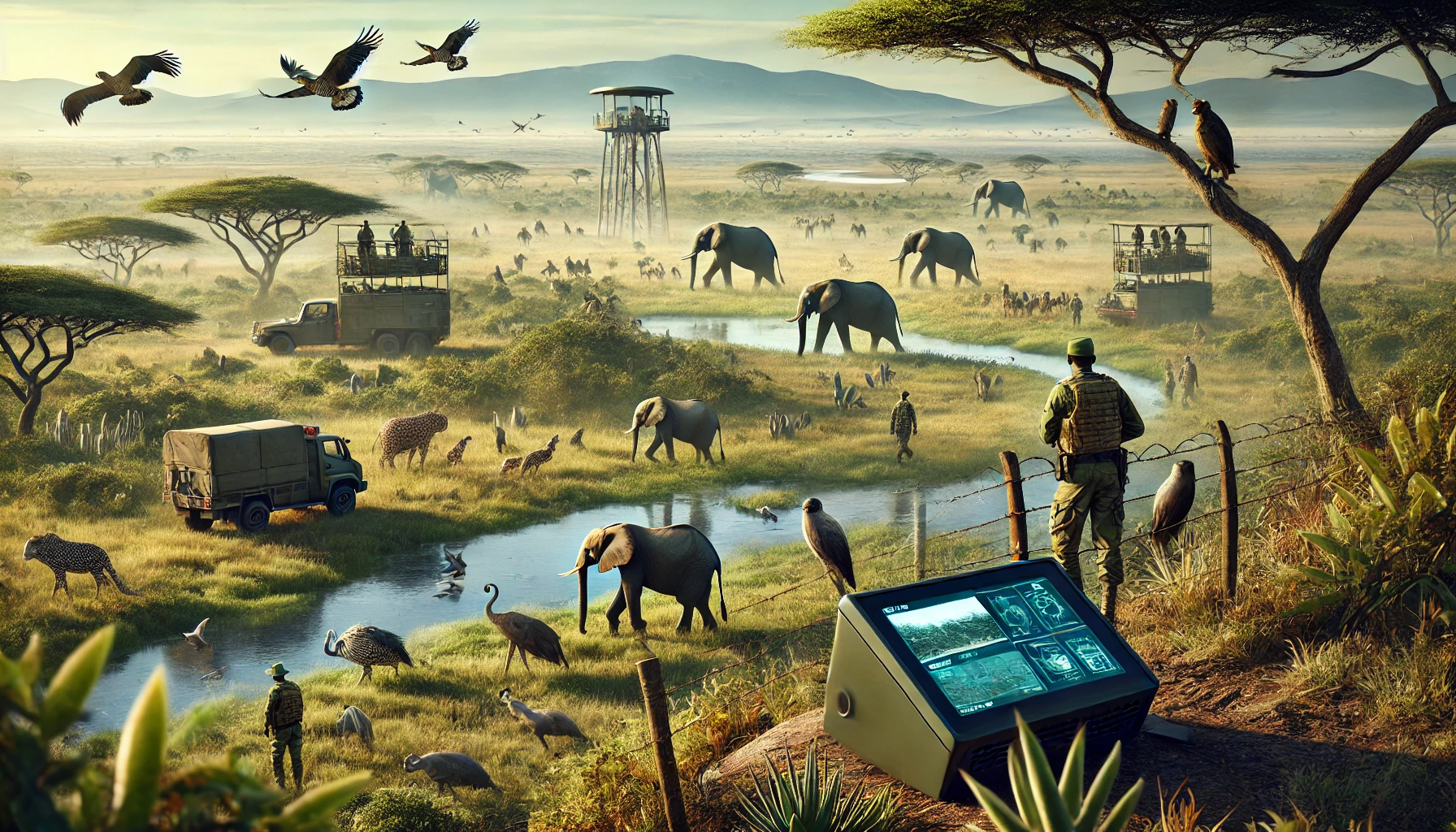
South Africa's rural provinces are witnessing an economic transformation through strategic investments in one of the country's most valuable assets—its rich natural environment. Programs aimed at strengthening the rural economy and driving job creation are not only preserving ecosystems but also safeguarding food security and enhancing economic resilience.
Since 2022, a World Bank-led initiative has been at the forefront of bolstering South Africa's wildlife economy, particularly in the Eastern Cape, where efforts to grow the black rhino population have shown remarkable success. Several baby rhinos have been born since the project's inception, including one named after Satu. As of November 2024, the black rhino population has been increasing at an average annual rate of 7.65%, surpassing project targets and contributing to global conservation efforts.
KwaZulu-Natal's Sustainable Growth Through Conservation
A similar transformation is taking place in KwaZulu-Natal, home to the 1.3 million-hectare iSimangaliso Wetland Park, a region known for its diverse ecology and breathtaking landscapes. Despite these natural riches, local communities face economic hardships, including high poverty rates, limited formal employment opportunities, and geographic isolation. The COVID-19 pandemic further exacerbated these challenges by disrupting tourism, a major economic driver in the region.
"When the tourists stopped coming, businesses began to close. Lodges shut down, and people lost their jobs," recalls Lucia Motloung, Project Manager with South Africa's Department of Environment, Forestry and Fisheries. "Now, we are rebounding."
To support this recovery, the Catalyzing Financing and Capacity for the Biodiversity Economy around Protected Areas Project is enhancing the stewardship of South Africa's natural resources while creating new economic opportunities. With support from the World Bank-led Global Wildlife Program—funded by the Global Environment Facility—the initiative is working across KwaZulu-Natal's iSimangaliso Wetland Park and protected areas in Limpopo and the Eastern Cape to tackle rural unemployment, inequality, and poverty.
Creating Jobs and Strengthening Local Economies
The project is generating employment and diversifying income sources through nature-based tourism, sustainable agriculture, and local enterprise development. Investments in infrastructure, such as hiking trails, lodges, conference centers, and tourism facilities, are creating hospitality jobs and supporting local businesses. Additionally, for the fishing communities along iSimangaliso's eastern seaboard, the initiative provides boats and safety equipment to help develop sustainable tourism activities.
Overall, the project aims to support 90 micro and small businesses in starting or expanding operations, providing critical economic opportunities in rural areas. Conservation efforts are also being expanded, with a target of increasing protected areas by nearly 27,000 hectares across project sites.
Community Involvement and Youth Engagement
A participatory approach ensures that local communities are actively involved in conservation and economic initiatives. The government regularly engages tribal authorities in discussions regarding project activities, many of which take place on tribal lands.
South Africa's youth are also playing a key role in this revitalization. As Lucia Motloung points out, "You go on Instagram, and you see young people who are starting to embrace ecotourism and spread the word about iSimangaliso. These influencers are really making it fashionable!"
The Economic Case for Conservation
Investments in protected areas provide significant economic benefits for local communities. According to the World Bank, for every dollar governments invest in protected areas and nature-based tourism, the return on investment is at least six times the original amount, creating jobs and fostering economic resilience.
The Global Wildlife Program, active in 38 countries worldwide, promotes wildlife-based economies, including sustainable tourism, while addressing key threats such as illegal wildlife trade, human-wildlife conflict, and zoonotic spillover risks. As one of the largest multilateral financiers of nature, the World Bank provides essential financial resources, knowledge, and innovative solutions to counter global biodiversity decline.
By working with countries like South Africa, the World Bank is helping build wildlife economies that not only protect natural resources but also put rural communities on a sustainable path to economic prosperity.


 Google News