

African Development Bank Approves $144.27M Loan to Boost Energy Access in Niger
The AfDB’s intervention also supports private sector engagement through public-private dialogue mechanisms and the formal adoption of a national industrial and commercial policy.
- Country:
- Niger
The African Development Bank Group (AfDB) has greenlit a significant loan package worth $144.27 million to support Niger's bold new initiative aimed at reforming its energy sector and tackling widespread electricity shortages. The loan will fund the first phase of the Energy Sector Governance and Competitiveness Support Program, a key element in Niger's national strategy for economic revitalization and energy independence.
Targeting Governance and Economic Inclusion
The program takes a comprehensive approach to resolving Niger's long-standing energy issues. Beyond infrastructure, the initiative zeroes in on reforming the governance of public finances—particularly by strengthening tax revenue mobilization, improving transparency in tax control systems, and supporting the clearance of domestic arrears.
The AfDB's intervention also supports private sector engagement through public-private dialogue mechanisms and the formal adoption of a national industrial and commercial policy. These efforts are expected to create a conducive business environment for local entrepreneurs and attract foreign investors, particularly in the energy and manufacturing sectors.
Expanding Electricity Access: A Core Objective
Niger is one of West Africa's least electrified countries, with only 22.5% of the population having access to electricity as of 2024. In rural areas, the figure drops to a staggering 4.5%, leaving the majority dependent on biomass for 94% of their energy needs. The new program aims to increase national electricity access to 30% by 2026, a target that requires substantial investment in both infrastructure and energy governance.
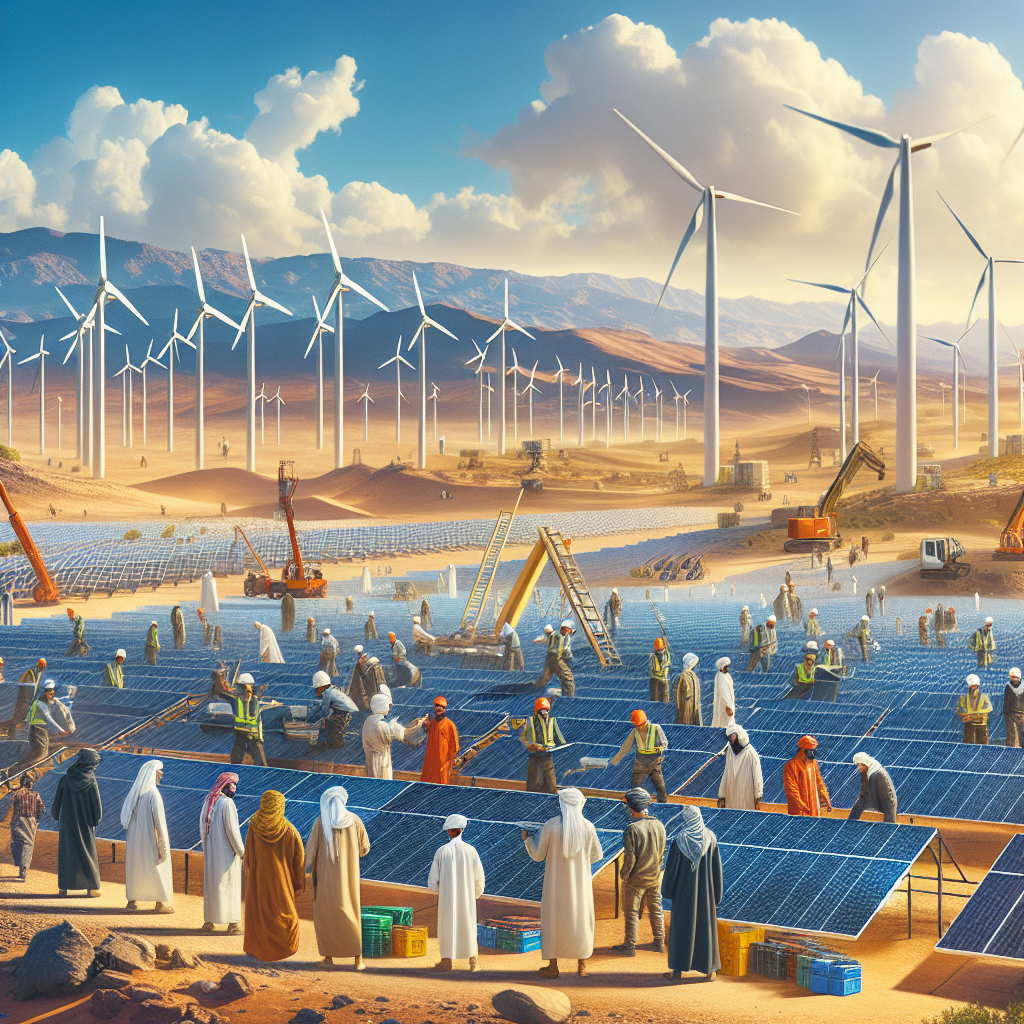
To address this, the program incorporates the development of a renewable energy capacity framework that aims to generate 240 megawatts (MW) of solar energy by 2030. Of this, 50 MW is scheduled to be operational before the end of 2026. The focus on renewables is strategic, leveraging Niger's abundant sunlight while simultaneously reducing the country's dependence on imported fossil fuels.
Private Investment and Strategic Framework
The project is underpinned by Niger's recently adopted Strategic Energy Compact, a national policy framework designed to attract over $527 million in private sector investment by 2030. This compact lays the groundwork for updating energy laws, promoting mini-grid solutions for rural electrification, and fostering high-level coordination across agencies.
Social Inclusion and Vulnerable Populations
A hallmark of the AfDB-supported program is its strong emphasis on social equity. The design includes targeted support for internally displaced persons (IDPs), women, and youth. Niger is currently grappling with a humanitarian crisis caused by instability in the Sahel region, which has displaced more than 507,000 people. The energy program's inclusive policies are crafted to ensure these vulnerable groups have access to improved living conditions and economic opportunities.
Lamin Barrow, AfDB's Director General for West Africa, emphasized the transformative potential of the initiative:
"This program represents our commitment to supporting Niger's economic recovery and energy independence. By improving access to energy and strengthening governance frameworks, we are helping to lay the foundations for sustainable growth that will benefit all Nigeriens, particularly the most vulnerable populations."
Economic Outlook and Industrial Goals
Niger's macroeconomic fundamentals have been improving despite regional challenges. The country's GDP growth surged to 8.8% in 2024, and oil production is projected to leap from 20,000 barrels per day to 90,000 by 2026. The program also seeks to raise the manufacturing sector's contribution to GDP from 2.5% to 3.8%, diversifying the economy and boosting job creation.
A Roadmap for Sustainable Development
By combining governance reform, infrastructural development, and a deep commitment to social equity, Niger's Energy Sector Governance and Competitiveness Support Program sets a precedent for integrated, sustainable development in West Africa. With AfDB's financial backing and strategic partnership, the country is well-positioned to transform its energy landscape and pave the way for long-term prosperity.


 Google News