

Asia's Factory Slump: Tariffs and Global Demand Cast a Shadow
Asia's factory activity in July saw a decline, hampered by soft global demand and U.S. tariff uncertainties. Although Japan and South Korea signed trade deals with the U.S., manufacturing activity remained weak. China's PMI fell below the growth threshold, while expansion was seen in the Philippines and Vietnam.
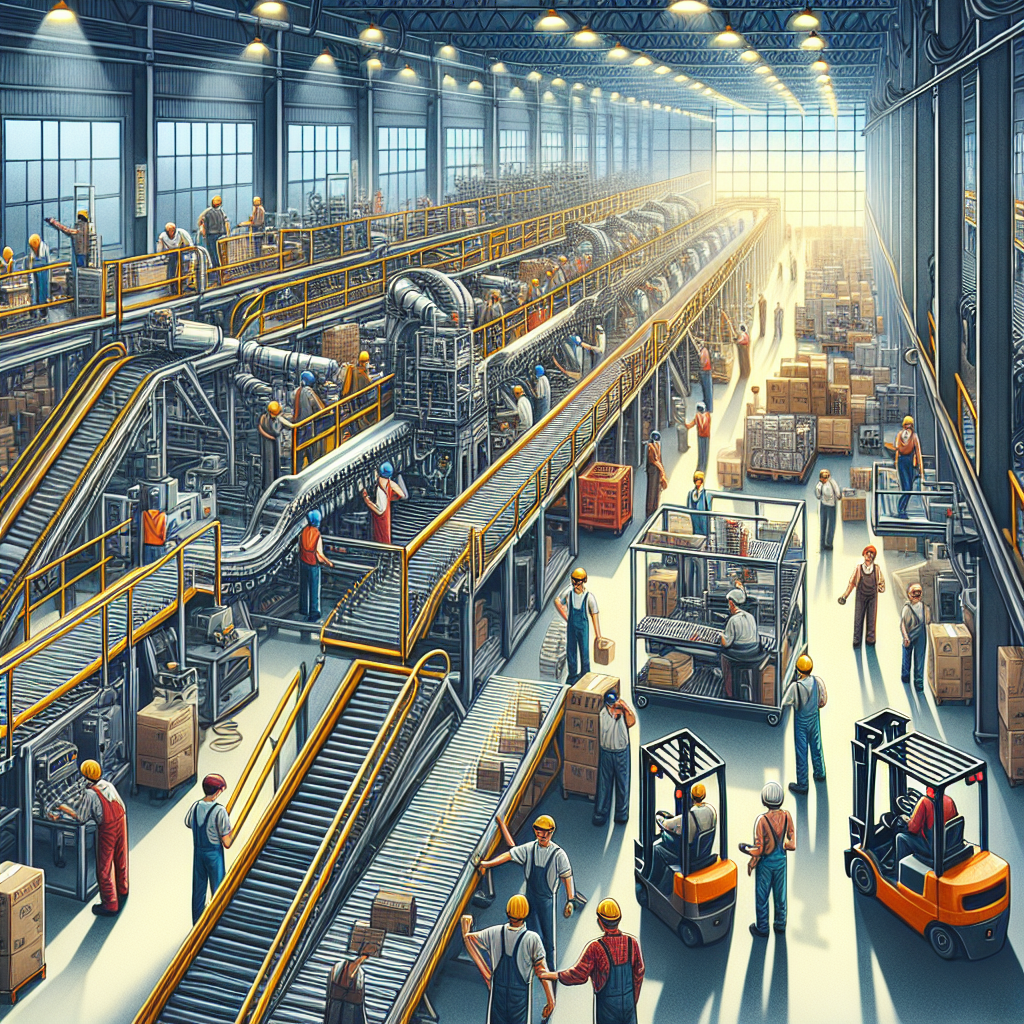
In a disheartening report for the region, Asian factory activity took a downturn in July, impacted by persistent global demand concerns and the stalemate over U.S. tariffs. This was revealed in private sector surveys released on Friday, which have cast a shadow over the prospects for recovery.
The surveys were conducted before the recent trade agreements between Japan and South Korea with the U.S., which offered a glimmer of hope according to analysts. However, the data showed shrinking manufacturing activity in Japan and South Korea, signifying a challenging path ahead for Asia's reliance on free trade.
Meanwhile, China's manufacturing also contracted, with the S&P Global PMI dropping below growth levels, as domestic demand remained weak. While some Southeast Asian nations like the Philippines and Vietnam showed growth, others like Taiwan, Indonesia, and Malaysia witnessed declines.


 Google News