

Rising U.S. Deficits: The Impact of Tariffs and Tax Legislation
U.S. federal budget deficits are projected to be nearly $1 trillion higher over the next decade due to tax and spending legislation along with tariffs, according to the Committee for a Responsible Federal Budget. The cumulative deficit may reach $22.7 trillion by 2035, exacerbated by new fiscal policies.
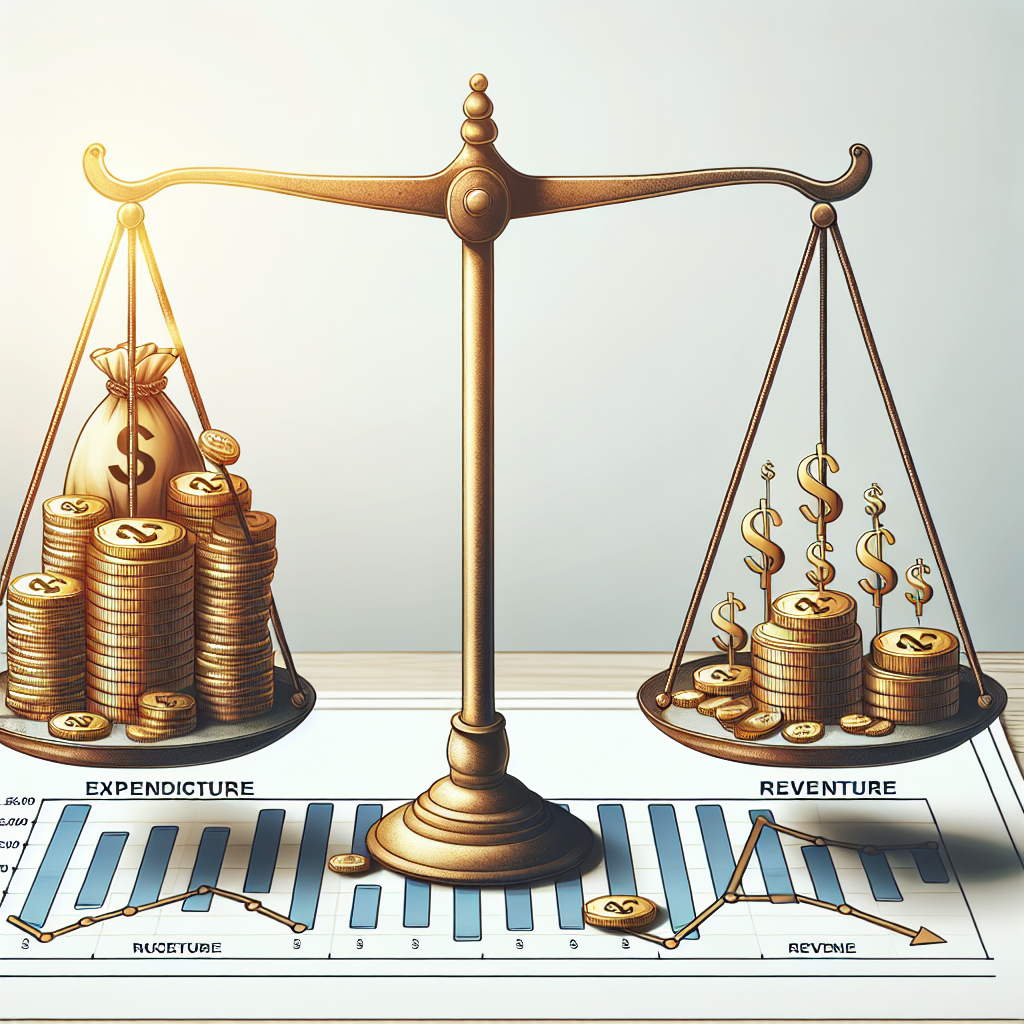
The United States federal budget deficits are on a trajectory to soar nearly $1 trillion higher over the coming decade, outpacing earlier predictions by the Congressional Budget Office, a watchdog group warned this Wednesday. The heightened forecast stems from recent tax and spending legislation, coupled with the imposition of tariffs.
According to the Committee for a Responsible Federal Budget (CRFB), the cumulative deficit is expected to reach $22.7 trillion from fiscal 2026 to 2035, topping the CBO's prediction of $21.8 trillion announced in January. This revision reflects changes in U.S. fiscal policy since the inauguration of President Trump, including the One Big Beautiful Bill Act and tariffs that are still in effect.
The CRFB predicts the One Big Beautiful Bill Act tax and spending legislation will swell deficits by $4.6 trillion through 2035. However, this spike could be somewhat mitigated by $3.4 trillion in expected revenue from tariffs. Nonetheless, various projections, including an alternative scenario where tariffs are partially overturned, suggest potential for even larger fiscal imbalances.


 Google News