

AfDB Reviews East Africa Integration Strategy to Boost Regional Growth
As East Africa navigates complex economic and environmental challenges, the AfDB’s ongoing support remains pivotal.
- Country:
- Ivory Coast
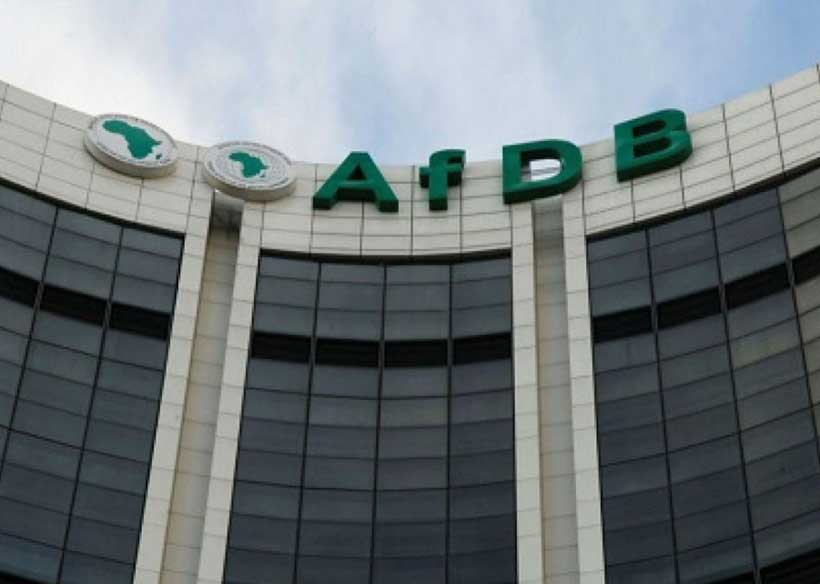
The African Development Bank Group (AfDB) has concluded a high-level mission to assess the implementation of its East Africa Regional Integration Strategy Paper (EA-RISP 2023–2027) and evaluate the performance of its expanding regional portfolio for 2025. The review marks a critical step in shaping the future of regional cooperation, infrastructure development, and sustainable economic transformation across East Africa.
Strengthening Integration for Inclusive Development
The mission, led by Bubacarr Sankareh, the AfDB's East Africa Lead Operations Advisor, brought together senior representatives from regional organisations, development institutions, and private sector bodies. Discussions focused on the progress made under the current strategy, lessons learned, and emerging opportunities to deepen regional integration and economic resilience.
The review team met with key partners, including the African Union Commission (AUC), the United Nations Economic Commission for Africa (UNECA), the East African Community (EAC), and the Intergovernmental Authority on Development (IGAD). The delegation also engaged with energy and business platforms such as the Eastern Africa Power Pool, the East African Business Council (EABC), and the Pan African Chamber of Commerce and Industry.
"The overarching development challenge for the region remains the slow pace of structural transformation, which hampers trade, creation of decent jobs, inclusive growth, and poverty reduction," said Sankareh. "Our strategy seeks to accelerate integration and unlock the full potential of regional markets through improved connectivity, stronger value chains, and policy coherence."
A Blueprint for Regional Integration
The Regional Integration Strategy Paper (RISP) serves as the AfDB's blueprint for promoting cross-border economic cooperation and infrastructure development. Covering a five-year period (2023–2027), the strategy aligns with the African Union's Agenda 2063, the Bank's Ten-Year Strategy, and the development priorities of member states.
It focuses on two primary pillars:
-
Improving regional infrastructure — with emphasis on energy interconnections, transport corridors, and ICT connectivity to facilitate trade and mobility.
-
Developing regional value chains — to strengthen industrial capacity, promote trade in goods and services, and enhance competitiveness within the East African market.
These focus areas aim to create a more integrated and prosperous region that leverages economies of scale, supports job creation, and promotes resilience in the face of economic shocks and climate challenges.
Flagship Infrastructure Achievements
Under the current RISP, the Bank has played a central role in financing and coordinating several transformative infrastructure projects that are reshaping the region's economic landscape.
Among the most notable initiatives are:
-
Phase One of the Tanzania–Burundi–DRC Standard Gauge Railway (SGR), which will enhance regional trade corridors and open new routes for intra-African exports.
-
The Burundi–Rwanda Integrated Development Project, which focuses on cross-border trade facilitation, energy interconnections, and improved mobility between the two nations.
-
The Comoros Maritime Corridor Development and Trade Facilitation Project, designed to strengthen maritime logistics and connect island economies to regional markets.
Beyond physical infrastructure, the AfDB has provided extensive technical assistance and policy support to regional economic communities, fostering policy harmonization, regulatory reform, and trade facilitation measures.
Regional Stakeholders Applaud AfDB's Commitment
During the mission, stakeholders from government, business, and civil society praised the AfDB for its continued leadership in driving regional development.
Adrian Njau, Acting Chief Executive Officer of the East African Business Council, commended the Bank's investments in regional energy, transport, and trade infrastructure. "These projects have enabled regional integration, reduced the cost of doing business, and enhanced the competitiveness of products within the region," he said.
Stakeholders also highlighted the Bank's efforts in supporting cross-border electricity interconnections and renewable energy initiatives, which are key to achieving sustainable industrialization and reducing dependence on fossil fuels.
Expanding Regional Portfolio and Impact
As of June 2025, the Bank's multinational operations in East Africa represented 36.6% of total commitments in the region, with 107 active projects valued at $6.3 billion. This marks an impressive $1.3 billion increase since 2023, driven by investments in transport, social development, environment, and multisector programs.
The projects have not only improved physical connectivity but also strengthened institutional linkages and economic interdependence among East African nations, positioning the region as one of the AfDB's most dynamic and fast-growing portfolios.
Identifying New Priorities for the Remaining Strategy Period
The review mission was also an opportunity to reflect on lessons learned and identify priority areas for the remaining two years of the strategy. Discussions emphasized the need to:
-
Deepen policy alignment and coordination between regional economic communities.
-
Strengthen private sector participation in infrastructure financing.
-
Expand investment in climate-smart infrastructure and digital transformation.
-
Address fragility and resilience challenges in conflict-affected areas.
-
Accelerate progress toward the African Continental Free Trade Area (AfCFTA).
Eva Ruganzu, East Africa Implementation Support Division Manager, noted that the Bank's future interventions would place greater emphasis on results-based approaches and inclusive growth outcomes.
A Regional Vision for a Connected Africa
The East Africa RISP is designed not only to promote economic integration but also to support peace, stability, and human development. By focusing on shared infrastructure, value chains, and policy harmonization, the strategy seeks to turn borders into bridges for cooperation.
The Bank's delegation also included senior officials Samuel Kamara (Chief Regional Program Coordinator), Patrick Kanyimbo (Chief Regional Integration Coordinator), and Emmanuel Nyirinkwaya (Regional Fragility and Resilience Officer). The team was joined by the Independent Evaluation Department, which is conducting case studies to assess the broader effectiveness of the Bank's regional integration framework.
The findings from this review will guide the next phase of regional programming, ensuring that AfDB-supported projects continue to deliver sustainable, inclusive, and transformative results for the people of East Africa.
Towards a Resilient and Integrated Future
As East Africa navigates complex economic and environmental challenges, the AfDB's ongoing support remains pivotal. By combining infrastructure investment with policy reform and institutional capacity building, the Bank is helping to create a region that is better connected, more resilient, and globally competitive.
In the words of Bubacarr Sankareh: "Regional integration is not just a goal—it is a process that requires commitment, innovation, and collaboration. The African Development Bank will continue to stand with the people and governments of East Africa to realize their shared vision of prosperity and unity."
ALSO READ
-
AfDB and ECOWAS Deepen Cooperation to Accelerate West Africa Integration Projects
-
Kenya sets January 2027 water storage at Thwake Dam as review presses for progress
-
African Development Bank puts nature at centre of finance plans across 13 countries
-
AfDB backs Cameroon businesses with €40 million to expand trade and create more jobs
-
Beyond GDP: Africa’s Natural Capital Push Could Reshape Trade, Household Costs and Investment


 Google News