

World Bank Approves $300m to Improve Gas Subsidy Targeting and Protect Families
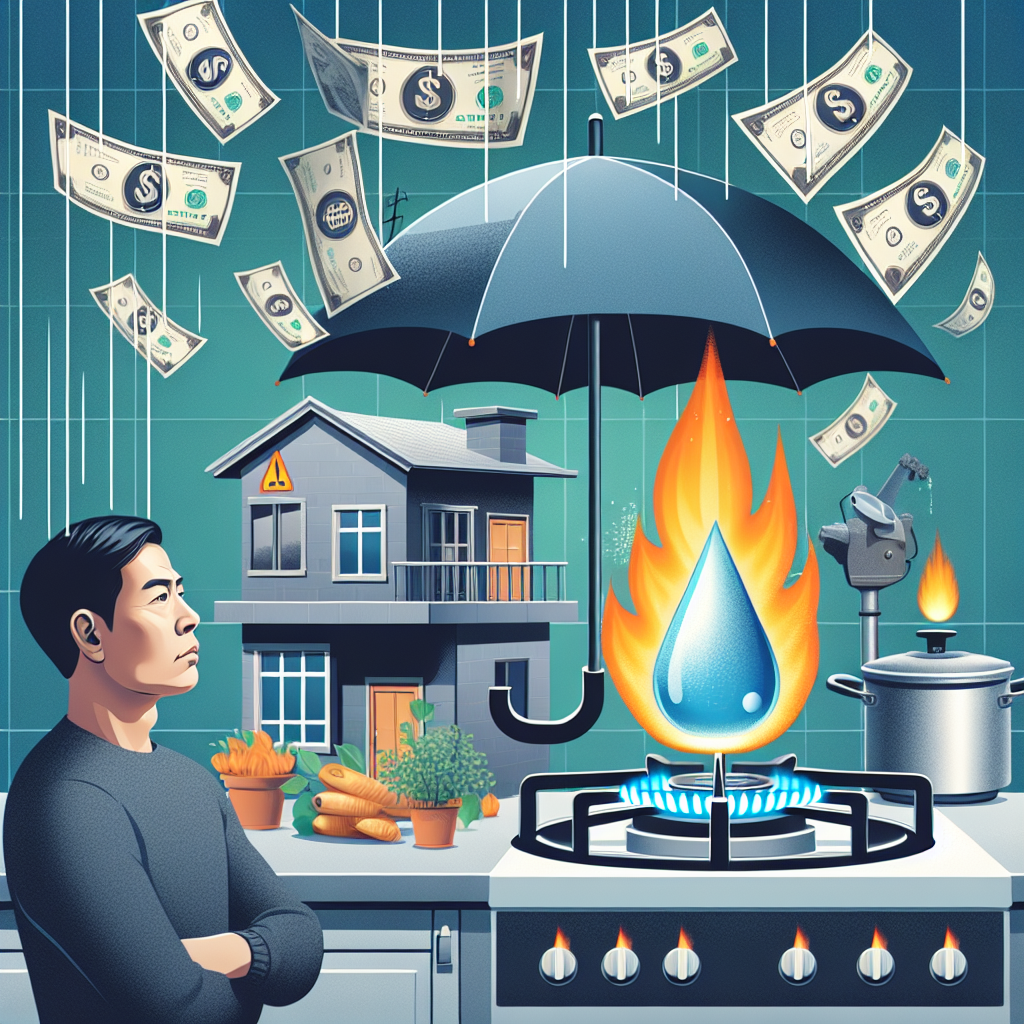
The new project aims to improve equity by reaching both network gas users and bottled gas users, particularly households in low-income areas and communities without access to piped gas.
- Country:
- Argentina
The World Bank Board of Directors has approved US$300 million in additional financing to support reforms that strengthen Argentina's institutional capacity to better target gas subsidies, protect vulnerable households, and enhance fiscal and environmental sustainability across the energy sector.
This financing expands upon the earlier project, "Supporting the Transition to a Sustainable Electricity Sector," which significantly improved the Energy Subsidy Access Registry (RASE). Through that effort, the government successfully reclassified 1.2 million households, helping ensure subsidies were better aligned with actual income levels and energy needs.
Protecting the Most Vulnerable Energy Users
The new project aims to improve equity by reaching both network gas users and bottled gas users, particularly households in low-income areas and communities without access to piped gas. In these regions, bottled gas is primarily used for cooking and represents a significant expense for families with limited resources.
"We support the government's efforts to continue improving the targeting of gas subsidies so they reach the most vulnerable populations, who allocate a higher percentage of their income to meet their energy needs," said Marianne Fay, World Bank Division Director for Argentina, Paraguay, and Uruguay.
Modernizing and Streamlining Gas Subsidy Schemes
The financing will help simplify, harmonize, and modernize Argentina's existing gas subsidy programs, many of which are fragmented or difficult for households to access. Key reforms include:
-
Integrating bottled gas beneficiaries into a comprehensive registry
-
Improving accessibility to subsidies and related social programs
-
Enhancing transparency and administrative efficiency
-
Making subsidy distribution more consistent across different regions and income groups
By consolidating and modernizing the subsidy framework, the project aims to reduce overlaps, lower administrative costs, and improve the accuracy of targeting.
Promoting Efficiency, Equity, and Sustainability
The project seeks to better align subsidies with household energy consumption patterns, advancing several important policy objectives:
-
Improving social equity by ensuring support reaches those who need it most
-
Encouraging energy efficiency and responsible consumption
-
Reducing wasteful spending and unnecessary fiscal outflows
-
Supporting environmental sustainability through optimized energy use
Better-targeted subsidies help reduce financial pressure on the energy sector while still maintaining essential protections for low-income families.
Financing Terms
The US$300 million loan includes:
-
A variable spread
-
Repayment over 32 years
-
A 7-year grace period
These terms provide long-term fiscal flexibility as Argentina continues restructuring energy subsidies and strengthening public sector management.
With this expanded support, the World Bank reinforces its partnership with Argentina to build a more equitable, efficient, and sustainable energy system—one that better protects vulnerable households while improving fiscal responsibility.


 Google News