

German Economy Bounces Back: From Stagnation to Growth
Germany's economy grows for the first time in three years, driven by increased household consumption and government spending. Despite challenges in exports and a decline in investment, fiscal initiatives show promise. The economy grew by 0.2% in 2025, recovering pre-pandemic GDP levels.
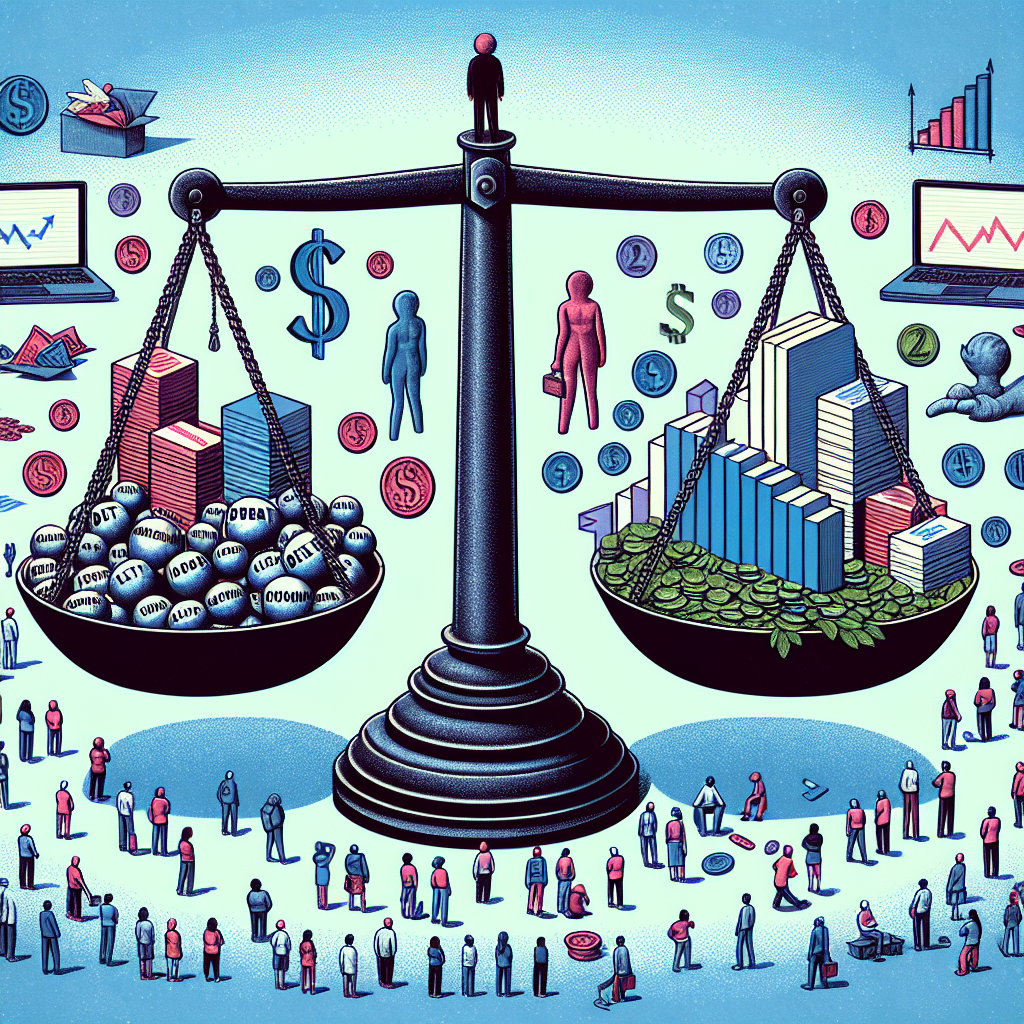
After three challenging years, Germany's economy has emerged from stagnation, largely due to a surge in consumer spending and significant government fiscal efforts. This marks the end of a prolonged period of economic downturn and signals the beginning of a cautious recovery.
Chancellor Friedrich Merz's expansive spending plan aims to boost economic growth despite the turbulent backdrop of declining exports and industrial investment. The German economy grew by 0.2% in 2025, meeting analysts' expectations and regaining pre-pandemic GDP levels, though investment in machinery and equipment remains a concern.
Fiscal stimulus focused on infrastructure and defense spending plays a pivotal role in this recovery. While 2025 saw government spending rise by 5.1%, exports suffered a 0.3% decrease amidst global trade challenges. However, experts remain cautiously optimistic about the potential momentum for future growth.
ALSO READ
-
Tanzania’s Growing Economy Puts Better Jobs at the Heart of Its Next Growth Chapter
-
Seychelles Growth Set to Slow to 1% as Tourism Feels the Middle East Conflict’s Impact
-
Philippines Could Unlock Billions Through Smarter Taxes and Public Spending
-
Central Africa Faces $35.6 Billion Funding Gap as Growth Forecasts Signal Steady Gains
-
Benin’s Growth Surges as $2.43 Billion Annual Funding Need Shapes Its Economic Future


 Google News