

Economic Turmoil: Lebanon's Battle Beyond the Battleground
Lebanon faces acute economic challenges amid ongoing conflicts involving Israel, Hezbollah, and Iran. The war has compounded existing issues like currency devaluation and energy shortages, pushing inflation higher. Even amid a nominal truce, businesses struggle with rising costs and reduced consumer demand. Government efforts to control profiteering are hindered by systemic weaknesses.
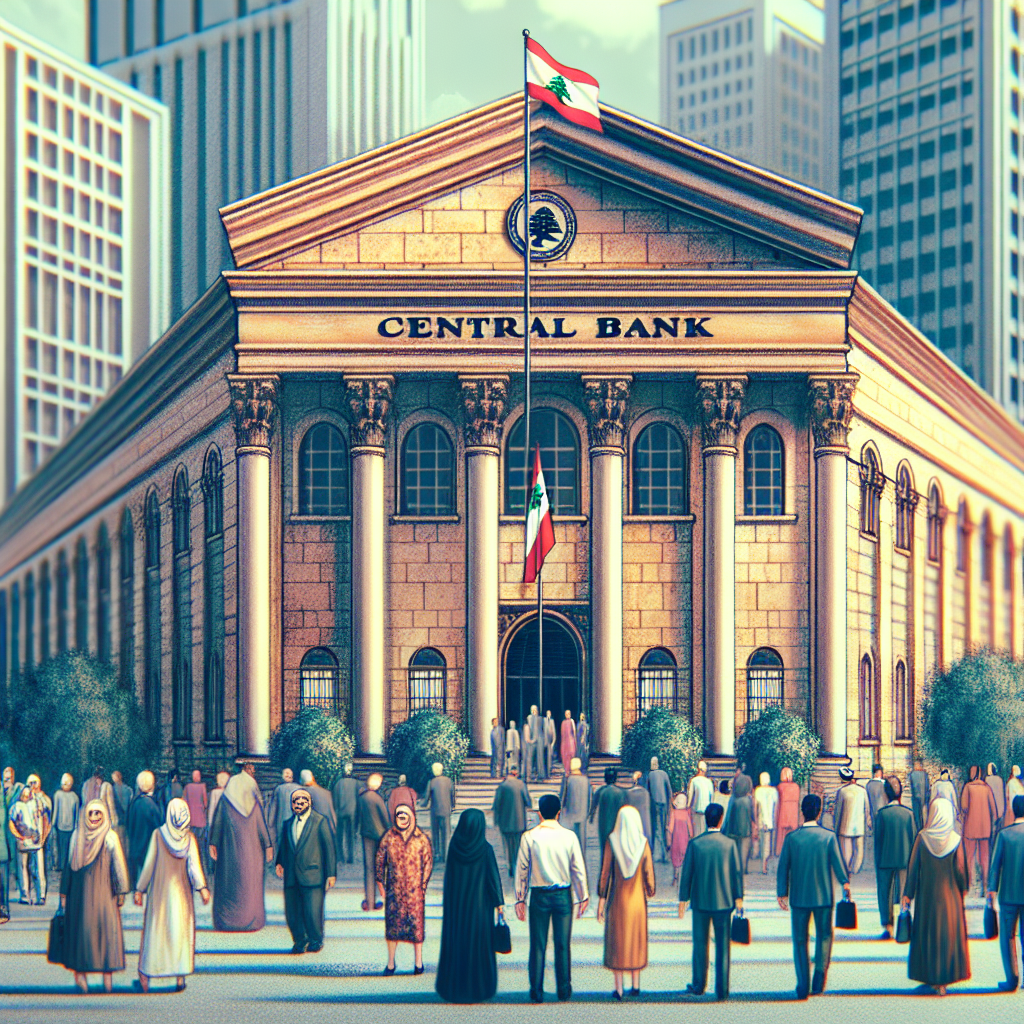
Lebanon's economy is grappling with severe challenges, exacerbated by the ongoing conflicts with Israel, Hezbollah, and Iran. A devalued currency, combined with energy shortages, has intensified inflationary pressures on the nation.
Despite a nominal truce reducing hostility, businesses face escalating costs and dwindling consumer demand. The economic instability is reflected in falling revenues across sectors, with even well-established businesses struggling to maintain operations.
Government attempts to curb unfair profiteering face significant hurdles, complicated by pre-existing systemic frailties. With no immediate resolution on the horizon, Lebanese citizens and enterprises continue to brace themselves, navigating uncertain times with resilience.
ALSO READ
-
Lebanon’s Small Business Owners Build Skills and Market Links With EU and ILO Support
-
ADB Approves $1.5 Billion to Protect Philippines From Conflict-Driven Price Hikes
-
Lebanon and ILO Move to Modernize Cooperatives and Strengthen Rural Livelihoods
-
Malawi’s Fragile Recovery Faces Jobs Test; Debt and State Firms Strain Economy
-
UNDP Urges Recovery From Day One as 160 Million People Risk Being Trapped in Crisis


 Google News