

A New Era of G2: US-China Economic Dynamics Reshape Global Order
The term "G2" symbolizes the proposed US-China partnership, originally intended to enhance global economic integration. Recent summits, however, indicate this collaboration has shifted toward a self-serving arrangement, potentially excluding other countries and altering the global order's traditional frameworks.
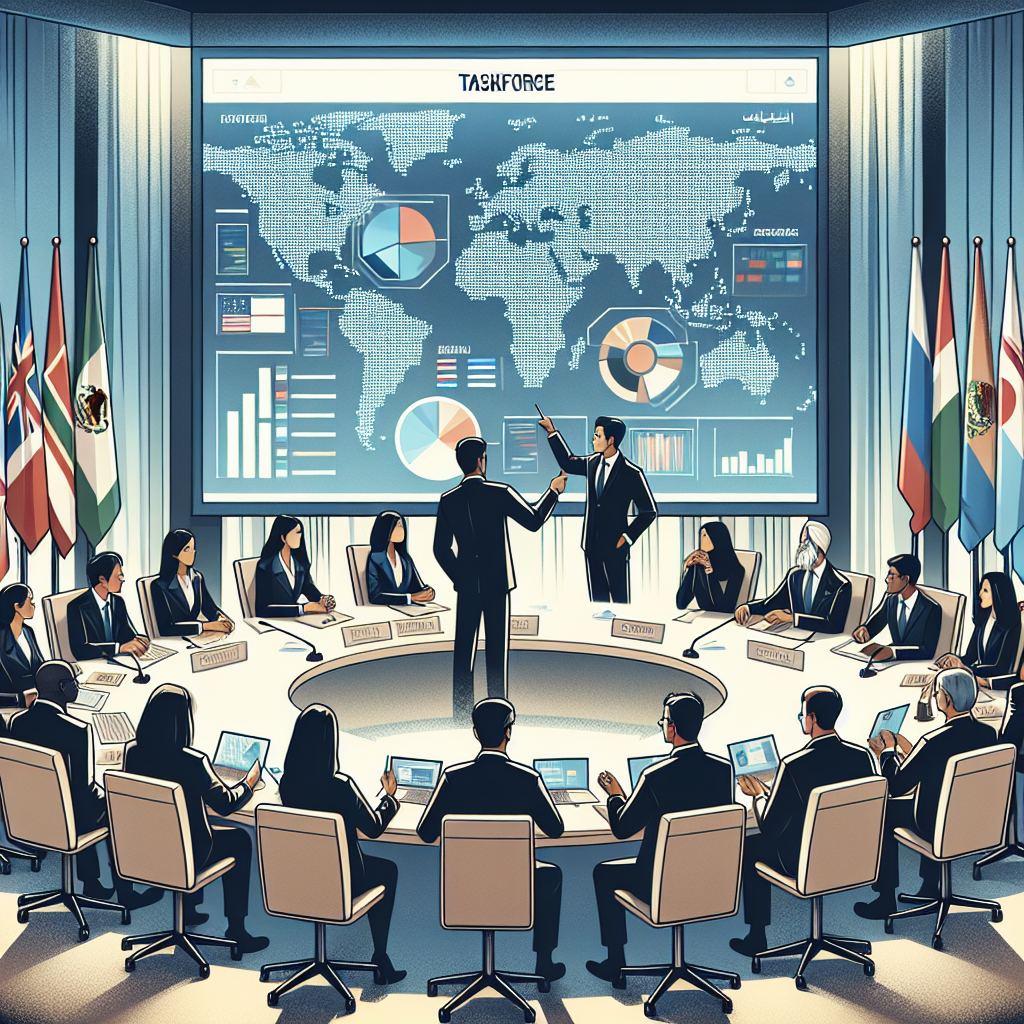
The concept of "G2", initially coined by US economist Fred Bergsten in 2005, aimed at enhancing economic collaboration between the United States and China. Initially welcomed, the partnership hoped to integrate China into a liberal, global economic framework post-financial crisis.
Recent US-China summits, however, suggest the G2 dynamic has evolved. Conversations between Donald Trump and Xi Jinping reveal a focus on bilateral trade deals, often to the exclusion of broader global benefits. Intellectual property, tariffs, and strategic resources like rare earth elements and semiconductors have taken center stage in their discussions.
This shift towards a G2-centric global order raises concerns for other world powers. Many fear exclusion and hidden costs as the US and China forge economic deals. Such developments challenge the prevailing multilateral liberalization, requiring other nations to reconsider their positions in this changing landscape.


 Google News