

World Bank Approves $60m for Congo Poultry and Aquaculture
- Country:
- United States
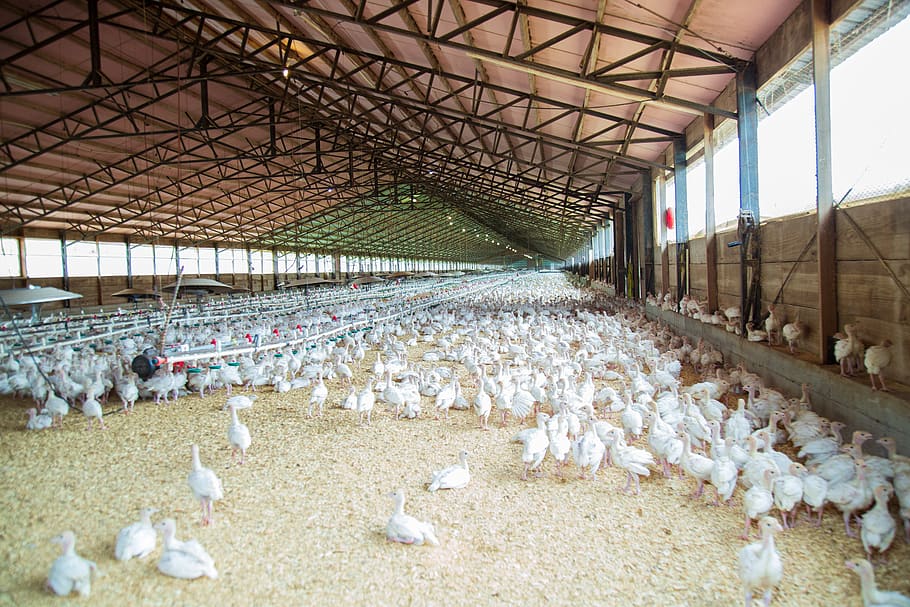
The Republic of Congo is set to receive $60 million in World Bank Group financing to strengthen its poultry and aquaculture industries, with the investment focused on helping local producers increase production, create jobs and improve the country's food and nutrition security.
The programme will work across different parts of the two value chains, addressing challenges that can limit the ability of farmers and businesses to expand, including access to affordable feed, fingerlings and day-old chicks, shortages of technical skills and limited availability of suitable infrastructure. Private investment will form a significant part of the approach as Congo works to develop stronger domestic food production and reduce vulnerabilities within its economy.
Farmers to Gain Better Access to Inputs and Skills
A major part of the project will focus on improving access to quality inputs at affordable prices, giving poultry and aquaculture producers the resources needed to increase productivity while managing their operating costs. Feed and day-old chicks will be important for poultry farmers, while fish producers will benefit from efforts to improve access to fingerlings and other inputs required for commercial aquaculture.
Training and technical support will also be expanded so farmers, workers and businesses can improve production practices and develop skills suited to larger and more competitive operations.
Cheick F. Kanté, World Bank Division Director for the Republic of Congo, said developing poultry and aquaculture could create employment, strengthen food and nutrition security and contribute to a more diversified economy, with public investment and private sector participation working alongside skills development and climate-smart solutions.
Climate-resilient Infrastructure Planned for Production Zones
Selected Protected Agricultural Zones will receive productive infrastructure designed to withstand climate pressures, giving producers a stronger foundation for expanding operations while reducing their exposure to environmental risks that can disrupt food production.
Building competitive local value chains involves more than increasing farm output, since processors, traders, suppliers and service providers also depend on reliable production and infrastructure. Investments across these connected activities are expected to help more locally produced poultry and fish reach consumers while creating commercial opportunities beyond farms themselves.
The project will also support changes to Congo's policy and regulatory environment where improvements could make it easier for private businesses to participate and invest in the two industries.
New Investment Expected to Create Jobs and Businesses
Access to finance will be strengthened for farmers and private investors, with the programme seeking to attract additional private capital into poultry production, aquaculture and related businesses rather than relying only on public funding for sector growth.
Job creation is expected across farming, processing, trading and supporting services as producers gain access to better inputs, infrastructure, skills and productive assets. Women and young people are expected to be among the main groups benefiting from the employment and business opportunities created through expanding value chains.
The investment also gives Congo an opportunity to build more domestic food production capacity while developing industries capable of supporting livelihoods, attracting private capital and making the wider economy more resilient.
ALSO READ
-
World Bank Backs Tonga’s Push for Better Jobs and Business Growth With $15M Grant
-
Clean Energy’s $2 Trillion Funding Challenge Puts People and Nature in the Spotlight
-
World Bank Approves $110 Million to Rebuild Sri Lanka’s Cyclone-Hit Roads and Lives
-
Vienna’s Vegetable Garden Shows Why Local Voices Matter in Climate Adaptation Plans
-
World Bank’s $1.5 Billion Sustainable Development Bond Draws Strong Global Demand


 Google News