

Madagascar Backs African Development Fund With $500,000 Pledge
Madagascar is one of 24 African countries that collectively pledged about $182 million to ADF-17, including 20 countries contributing to the Fund for the first time.
- Country:
- Madagascar
Madagascar has pledged $500,000 to the seventeenth replenishment of the African Development Fund, taking the unusual step of investing in a financing institution that continues to provide the country with affordable development funding for roads, agriculture, climate resilience and economic reforms.
The African Development Fund is the concessional financing arm of the African Development Bank Group, providing grants and low-cost, long-term financing to lower-income and structurally vulnerable African countries. Madagascar's contribution comes after nearly five decades of working with the Bank Group and reflects the government's desire to take a more active role in financing Africa's development priorities.
Madagascar is one of 24 African countries that collectively pledged about $182 million to ADF-17, including 20 countries contributing to the Fund for the first time. The full replenishment reached $11 billion for the 2026-2028 period and will support infrastructure, stronger institutions, climate resilience, regional integration and private sector-led employment.
Decades of funding have reshaped roads and agriculture
Madagascar joined the African Development Bank Group in 1976, with operations beginning the following year. Under ADF-16 alone, the country received about $161 million through performance-based allocations and another $80 million from the Transition Support Facility.
Some of the most visible results can be found on the country's roads. The Corridor Development and Trade Facilitation Project has supported the paving of more than 210 kilometres of roads and construction of four bridges, while improvements to National Road 9 helped reduce a journey that once took two days to roughly five hours.
Average daily heavy-goods traffic on the road increased from 27 vehicles to 108, giving farmers and businesses better links to markets. Related investments included feeder roads, health centres, markets, water infrastructure and customs improvements.
Agriculture has also received significant support, with Fund financing helping develop 23,778 hectares of climate-smart irrigated land. Rice yields in the Bas-Mangoky area more than doubled, with at least 85,000 people benefiting from improvements that have strengthened food production and water management.
Climate resilience remains central to Madagascar's needs
Madagascar faces significant exposure to droughts, cyclones and other climate-related shocks, making resilience a major part of its development relationship with the Fund.
Around 360,000 people have directly benefited from the Africa Disaster Risk Financing Programme, with another 730,000 benefiting indirectly. Madagascar has also received $9.5 million through the African Development Fund's Climate Action Window for biodiversity protection and climate resilience, particularly important for an island where more than 80% of plant and animal species are found nowhere else.
During the severe drought of 2021, the African Development Bank Group financed an emergency food operation implemented by the World Food Programme, providing more than 800 tonnes of food to about 72,000 people.
Finance Minister Dr Herinjatovo Aimé Ramiarison described the ADF-17 contribution as a strategic choice, saying Madagascar wanted to demonstrate confidence in an institution that understands African development priorities despite the country's own financial pressures.
Renewable energy could shape the next phase of investment
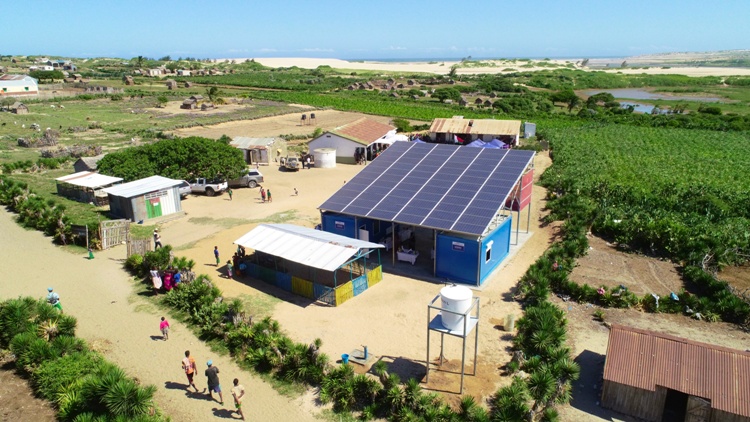
Energy represents one of Madagascar's largest areas of untapped potential. The country has an estimated 7,800 megawatts of hydropower capacity, with only around 2% developed, while its combined solar and wind potential exceeds 2,000 megawatts.
Through Mission 300, Madagascar wants electricity access to reach 80% of the population by 2030, while improved and clean cooking solutions would reach 50%. Plans also call for 893 megawatts of additional renewable generation and for renewable sources to provide at least 85% of the energy mix.
More dependable electricity could help local manufacturers, agricultural processors, hospitals, schools and other businesses while reducing dependence on imported fuels. ADF-17's focus on infrastructure, institutions and private investment could help turn some of those energy ambitions into projects capable of attracting financing.
Madagascar's $500,000 contribution is small compared with the funding it has received, yet its significance lies in the changing relationship it represents. The country is remaining a beneficiary while becoming a financial contributor to a fund designed to help African nations finance their own development priorities.


 Google News