

Mauritius Needs More Development Finance to Reach High-Income Goal
The Mauritius Productivity Study identifies the ocean economy, digital and knowledge industries, the circular economy, and creative and cultural sectors as potential new pillars of growth.
- Country:
- Mauritania
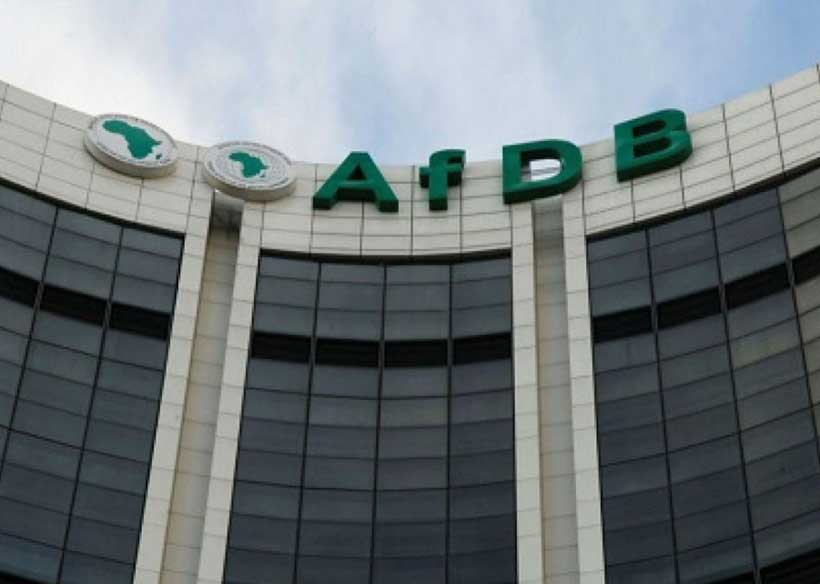
Mauritius will need to mobilise significantly more development financing and lift productivity if it is to deepen economic transformation and achieve its ambition of becoming a high-income economy, according to two studies released by the African Development Bank on 29 July 2026.
The Bank's 2026 Country Focus Report and its Mauritius Productivity Study examine the country's economic outlook, financing needs and structural challenges, while setting out areas where investment and reforms could strengthen competitiveness and create more resilient growth.
Economic Growth Expected to Slow Before 2027 Recovery
The African Development Bank expects Mauritius' economy to grow by 3% in 2026 before strengthening to 3.8% in 2027, with financial services, wholesale and retail trade, tourism and household consumption providing important support. Tourism remained a major contributor during 2025 as arrivals reached a record 1.44 million, while financial services and trade also supported economic activity.
Inflation is forecast to rise to 5.7% in 2026, moving above the central bank's 2% to 5% target range amid effects from conflict in the Middle East, before easing to 3.9% in 2027 as global commodity prices moderate. The fiscal deficit is projected to narrow to 6% of GDP in 2026 and 3.7% in 2027, while public debt is expected to fall below 80% of GDP by 2029.
Skills and Infrastructure Gaps Hold Back Productivity
The reports identify several barriers that could limit Mauritius' ability to move towards higher-value economic activity, including skills mismatches, labour market rigidities and pressures created by an ageing population. Infrastructure gaps affecting water, energy supplies and port logistics remain another challenge, alongside weaknesses in information and communications technology that could slow productivity gains and digital development.
African Development Bank Chief Economist and Vice President Kevin Urama said countries can mobilise more capital through stronger domestic revenue collection, efficient public spending and debt management, while drawing investment from institutional investors, diaspora communities and high-net-worth individuals.
New Industries Could Shape Mauritius' Next Growth Phase
The Mauritius Productivity Study identifies the ocean economy, digital and knowledge industries, the circular economy, and creative and cultural sectors as potential new pillars of growth. Digitalisation and greater adoption of Industry 4.0 technologies are also highlighted as opportunities to improve competitiveness and productivity as Mauritius develops its Vision 2050 and Ten-Year National Development Plan.
African Development Bank Deputy Director General for Southern Africa and Mauritius Country Manager Moono Mupotola said progress will require cooperation between government, businesses, development partners, universities, civil society and financial institutions.
The findings suggest that raising finance alone will not determine Mauritius' economic future, with the way capital is invested in productive industries, infrastructure and skills playing an equally important role in building resilience and creating sustainable growth.
ALSO READ
-
Côte d’Ivoire Secures $24 Million to Restore Forests and Support Rural Communities
-
AfDB Places KEEPS Construction Under 12-Month Compliance Order After Fraudulent Practice
-
Central Africa Faces $35.6 Billion Funding Gap as Growth Forecasts Signal Steady Gains
-
Benin’s Growth Surges as $2.43 Billion Annual Funding Need Shapes Its Economic Future
-
Free AI Training Opens Doors for African Public Officials to Build Smarter Services


 Google News