

Clean Energy’s $2 Trillion Funding Challenge Puts People and Nature in the Spotlight
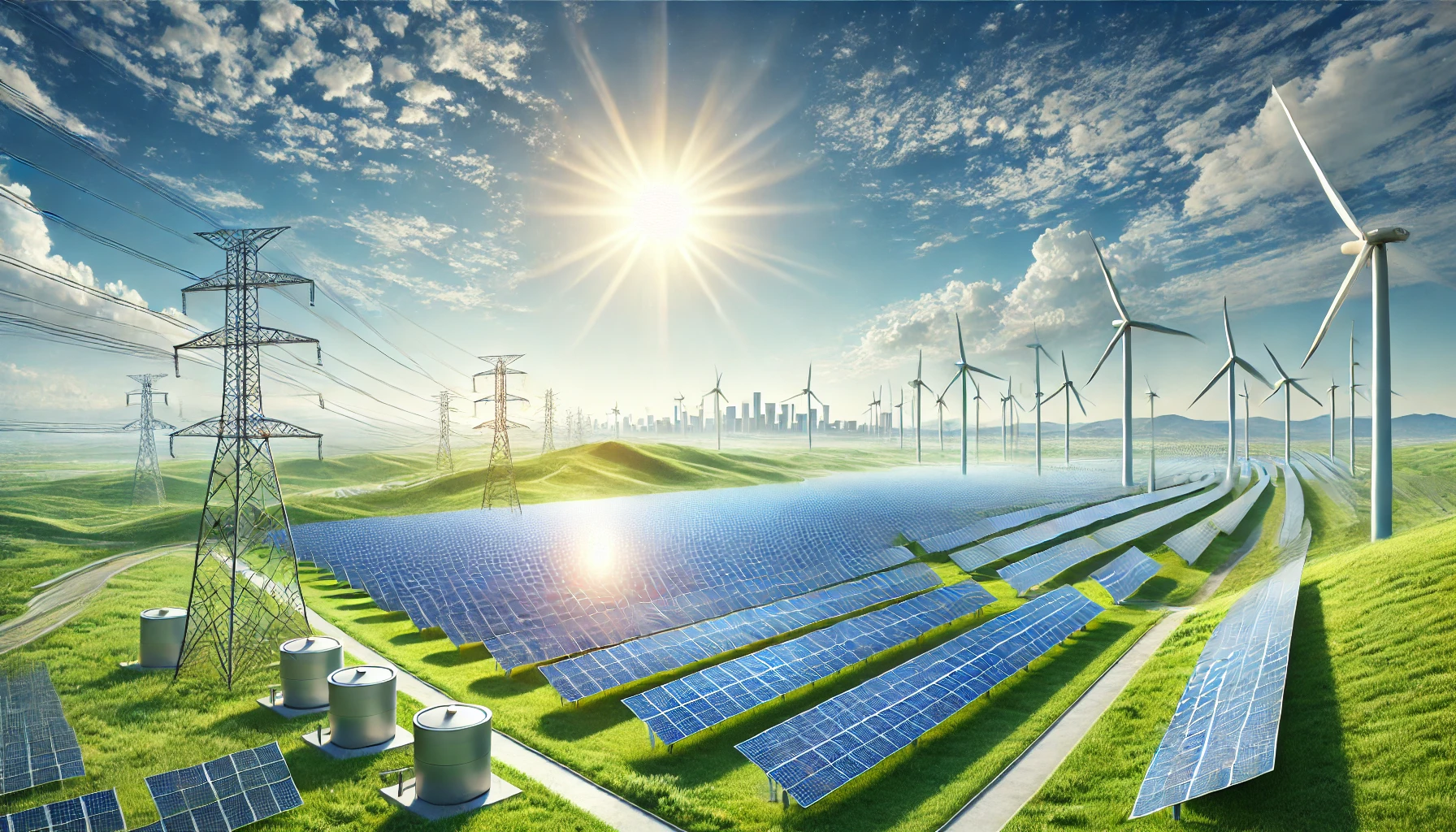
Emerging markets and developing economies will need around $2 trillion annually until 2035 to fund their energy transition, with most expected to come from private sources.
- Country:
- Austria
Emerging markets and developing economies will need around $2 trillion annually until 2035 to fund their energy transition, with most expected to come from private sources. Austria's Finance Ministry representative Verena Hagg pointed to increasingly limited public funding and the need to attract commercial and institutional investors. Strong environmental, social and governance practices, known as ESG, can help developers access larger pools of capital and potentially secure lower bond interest rates or longer repayment periods, giving lenders greater confidence in project delivery.
Hosted by the Vienna Development Knowledge Center from September 15–17, 2026, the workshop brought together World Bank, International Finance Corporation (IFC) and Multilateral Investment Guarantee Agency (MIGA) experts with participants from across Europe and Central Asia. Ministries, regulators, state-owned enterprises, financial institutions, banks, investors and energy companies examined financing decisions, evolving sustainable finance instruments and risk management throughout a project's life. Visits to a hydropower plant and wind farm operated by Austria's Verbund connected those discussions with operating projects, reinforcing IFC representative Ana Cristina Sanchez Thorin's message that environmental and social performance supports investment, energy security and resilience.
Overlooked communities and habitats can stop construction
More than 40% of infrastructure projects face delays, often linked to opposition over environmental and social concerns, according to the workshop material. Examples from Europe and Central Asia included a dam blocked for decades over the planned displacement of more than 2,000 residents and flooding of heritage sites, plus transmission corridors facing opposition that increased costs and delayed renewable energy expansion. A wind project drew protests after overlooking nomadic land users, and other developments faced concerns about birds and bats.
Identifying these issues during project preparation generally makes them easier and less expensive to resolve than discovering them after financing or construction begins. The World Bank's Helene Carlsson Rex warned that failures can lead to cancelled financing and reputational damage for investors and developers, making early community engagement and credible protection measures central to getting projects built. Participants' shared experiences showed how similar risks recur across countries and organizations, creating opportunities to learn from problems already encountered elsewhere.
Shared standards need people who can put them into practice
Presenters examined the World Bank's Environmental and Social Standards, IFC and MIGA Performance Standards, the EU Taxonomy, UN Development Programme standards and the Hydropower Sustainability Standard. Their coverage spans working conditions, health and safety, pollution, biodiversity, land acquisition, resettlement, transparency, stakeholder engagement, indigenous peoples and cultural heritage. Growing agreement on early risk identification, meaningful consultation, governance and mitigation is helping make differing requirements easier to navigate.
The World Bank Group is updating private sector Performance Standards to mirror its public sector framework where possible, and the UN is moving toward a common approach across its programs; an IFC–EU comparison found their frameworks already substantially aligned. Investors need capable institutions, clear accountability and developers able to deliver commitments throughout a project's life, reflecting World Bank representative Sanjay Srivastava's emphasis on environmental and social management as essential to attracting private capital. Participants considering the fictional solar plant withheld commitment pending information on biodiversity, livelihoods, costs, alternative sites, consultation and mitigation, demonstrating why those questions belong at the start of project planning.
ALSO READ
-
Rural Investment Can Unlock Growth Across Latin America and the Caribbean, Says IFAD
-
Thailand’s $750 Million Nature Bond Puts Biodiversity at the Heart of Public Finance
-
Why Eastern Europe’s Carbon Future Depends on Cleaner Energy, Not Economic Uncertainty
-
ADB Backs Indonesia With $650 Million to Expand Markets and Safer Digital Finance
-
Naftogaz Sets Out Cleaner Energy Future With EIB Support and 2050 Net Zero Target


 Google News