

Repo-linked loan, deposit pricing - a "tectonic" shift in domestic banking landscape
- Country:
- India
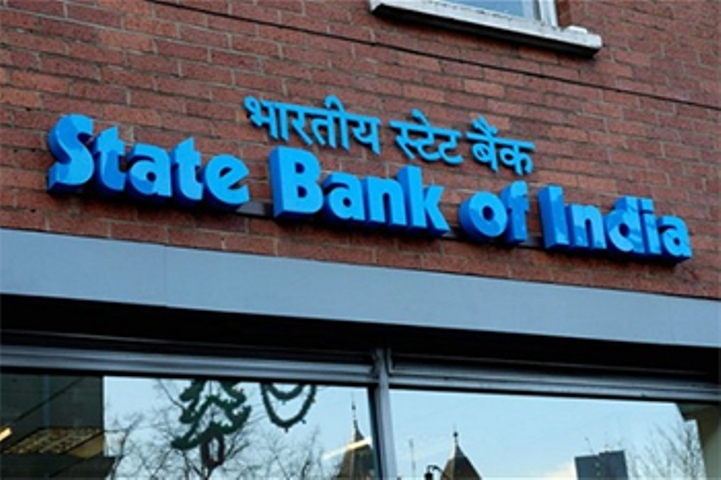
A shift to an external benchmark-linked loan and deposit pricing is a "tectonic" shift in the domestic banking landscape and more lenders will follow the move announced by SBI, says a report. Even as the final guidelines on external benchmarking of rates are awaited (linked to the repo rate set by the Reserve Bank), State Bank of India went ahead and declared changes in operations the week before last.
India Ratings in a report said Tuesday other banks will follow the move began by SBI, although the external benchmark may vary for each of them. "The exposure of performance of the domestic corporate to monetary policy actions is likely to increase, resulting in some volatility in debt protection metrics based on the rate cycle," it said, adding this could be the foundation for developing term money and interest rate derivative markets. The landed price for advances will be a function of a combination of interest rate as well as the processing fee, while the liability pricing will mostly be linear, it said. As a result, in a falling interest rate scenario, short-term money market instruments will be relatively attractive for depositors than bank deposits.
"This substitution effect can catalyse a drain on urban deposits during a falling interest rate regime," the report predicted and noted that the change is coming at a time when corporate borrowers will have to shift to a new regime for managing short-term working capital financing from banks, wherein the onus of liquidity management would shift to the corporate borrowers. It said net interest margins of large private sector banks and SBI will remain unaffected but mid-sized private sector banks may be the most susceptible to reverses.
"Banks with well-matched share of savings deposits in borrowings plus deposits and share of short-term advances in earning assets are likely to remain unaffected," it explained. The report also said mid-sized private sector banks are likely to be most susceptible primarily due to a mismatch between the share of large ticket savings deposits and short- term advances within liability and asset book, respectively.
In a downward interest rate cycle, corporates are likely to benefit, it said, adding, however, the working capital intensive sectors like construction, gems & jewellery, textiles, chemicals and real estate, are the 'most vulnerable' from a profitability perspective in the new scenario. The report also said the direct linking of commercial rates (both lending and deposit) with the monetary policy rate would be an "inappropriate choice primarily because the policy rate is set on the basis of outlook on inflation, especially under the inflation targeting framework, and system liquidity and subsequent pricing impact of liquidity outlook is a matter of market dynamism-based market expectations."


 Google News