

Increasing bee colonies can raise agricultural, horticultural productivity: BDC report
- Country:
- India
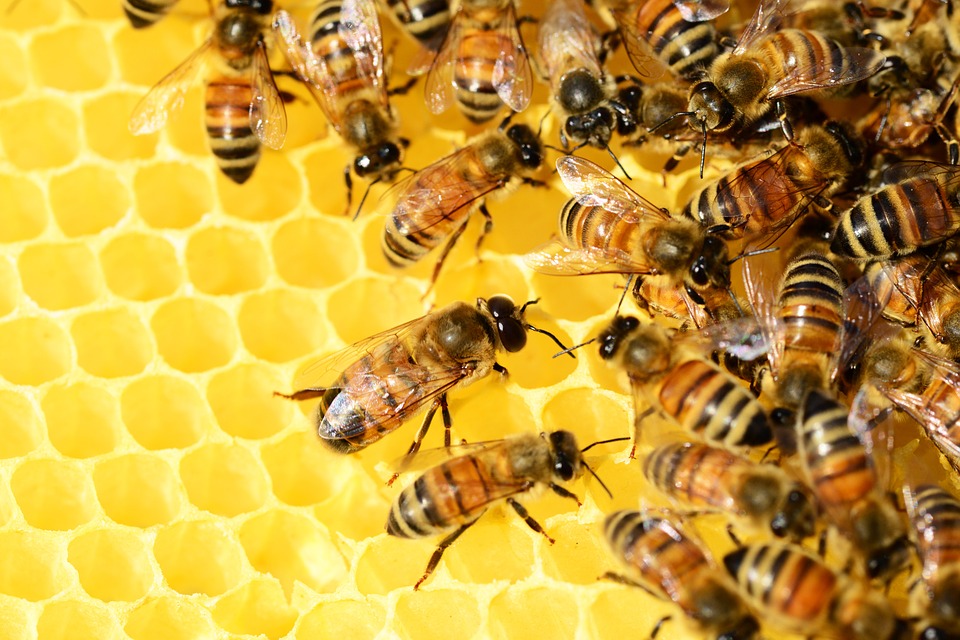
Increasing the number of bee colonies in India will not only increase the production of bee-related products but also boost overall agricultural and horticultural productivity, the Beekeeping Development Committee (BDC) said on Wednesday. The Economic Advisory Council to the Prime Minister had set up the BDC under Chairmanship of Professor Bibek Debroy. The objective was to identify ways of advancing beekeeping that can help in improving agricultural productivity, enhancing employment generation, augmenting nutritional security and sustaining biodiversity.
The BDC report said beekeeping can be an important contributor in achieving the 2022 target of doubling farmer incomes. As per the Food and Agricultural Organisation database, India ranked eighth in the world in terms of honey production (64.9 thousand tonnes) in 2017-18 while China stood first with a production level of 551 thousand tonnes.
The report said beekeeping cannot be restricted to honey and wax only. Products like pollen, propolis, royal jelly, and bee venom are also marketable and can greatly help Indian farmers. Based on the area under cultivation in India and bee forage crops, India has a potential of about 200 million bee colonies as against 3.4 million bee colonies now. India's recent efforts to improve the state of beekeeping have helped increase the volume of honey exports from 29.6 to 51.5 thousand tonnes between 2014-15 and 2017-18, the report said. However, challenges persist and a lot more can be done to enhance the scope and scale of beekeeping.
Some of the recommendations in the report include: recognising honeybees as inputs to agriculture and considering landless beekeepers as farmers; plantation of bee-friendly flora at appropriate places and engaging women self-help groups in managing such plantations; institutionalising the National Bee Board and rechristening it as the Honey and Pollinators Board of India. The BDC's report has been submitted to the Prime Minister and also been placed in the public domain, according to a statement.
ALSO READ
-
Cleaner Kitchens, Polluted Skies: Hidden Health Cost of India’s Electricity Boom
-
Japan-Backed ILO Projects Help 23,000 Workers Gain Rights and Fight Child Labour
-
India's Delicate Balancing Act: Navigating Energy Security Amid Middle Eastern Tensions
-
India Gears Up for Glory: Asian Games 2026 Preview
-
India Defends Energy Policy Amidst Rising Tariff Threats from U.S.


 Google News