

NEP suggests revolutionary changes in education sector: Rajnath
Defence Minister Rajnath Singh on Wednesday said the new National Education Policy (NEP) suggests many revolutionary changes in school and higher education and it will lead to the holistic development of students.
- Country:
- India
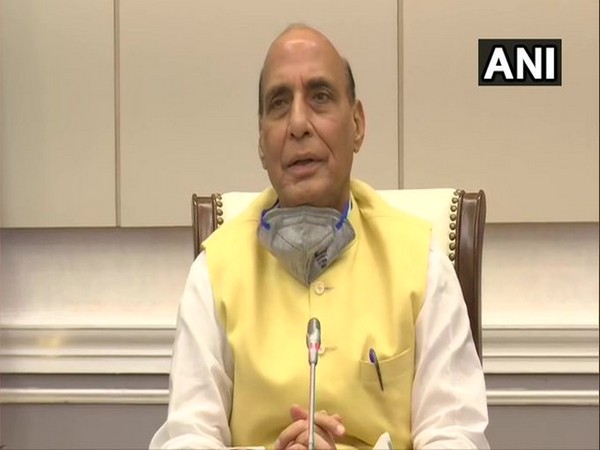
Defence Minister Rajnath Singh on Wednesday said the new National Education Policy (NEP) suggests many revolutionary changes in school and higher education and it will lead to the holistic development of students. Singh held a virtual interaction with the volunteers of Nehru Yuva Kendra Sangathan (NYKS), National Cadet Corps (NCC) and National Service Scheme (NSS) on creating awareness about the new NEP.
The new NEP approved by the Union Cabinet in July replaces the National Policy on Education framed in 1986 and is aimed at paving the way for 'transformational reforms' in schools and higher education systems to make India a 'global knowledge superpower'. "The New Education Policy is the first policy in Indian history in which a multi-pronged and multi-stakeholder consultative process was undertaken which included online, grassroots and national level deliberations," Singh said on Twitter.
This policy suggests many revolutionary changes in school and higher education leading to the holistic development of students, he stated. "The National Education Policy will fulfil the vision of Prime Minister, Shri @narendramodi to create a 'self-reliant India'," he noted. Along with the volunteers, the virtual interaction also had coordinators of Unnat Bharat Abhiyan, Singh said, adding that it took place under the Shikshak Parv initiative.
Teaching up to Class 5 in mother tongue or regional language, lowering the stakes of board exams, a single regulator for higher education institutions, except for law and medical colleges, and common entrance tests for universities are part of the sweeping reforms in the new NEP. Replacing the 10+2 structure of school curricula with a 5+3+3+4 curricular structure corresponding to age groups 3-8, 8-11, 11-14 and 14-18 years respectively, scrapping M.Phil programmes and implementing common norms for private and public higher education institutions are among other salient features of the new policy.
ALSO READ
-
Cleaner Kitchens, Polluted Skies: Hidden Health Cost of India’s Electricity Boom
-
Japan-Backed ILO Projects Help 23,000 Workers Gain Rights and Fight Child Labour
-
India's Delicate Balancing Act: Navigating Energy Security Amid Middle Eastern Tensions
-
India Gears Up for Glory: Asian Games 2026 Preview
-
India Defends Energy Policy Amidst Rising Tariff Threats from U.S.


 Google News