

Food Inflation Cuts Through India's Mid-Day Meal Program
Persistent food inflation in India is impacting government-funded school meals, leading to nutritional shortfalls for impoverished children. Rising prices of vegetables, fruits, and pulses have forced schools to reduce quantities and quality of meals. This exacerbates inequality and challenges the goal of providing basic nutrition through the school meal program.
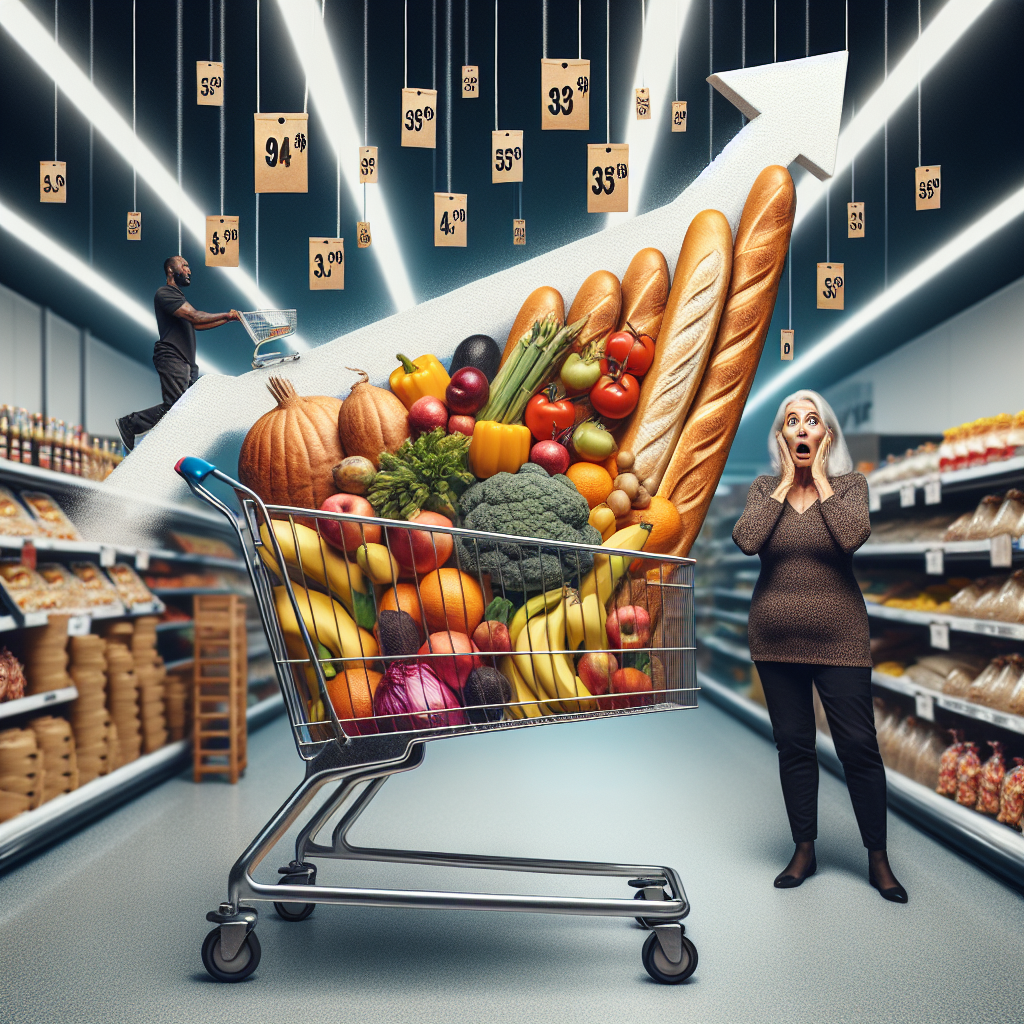
Two years of high food inflation in India have severely impacted government-sponsored school meals, which have seen cutbacks due to escalating prices of vegetables, fruits, and pulses. The program, established three decades ago to bring poor children into schools and offer basic nutrition, highlights the inflationary pressures on those most in need.
School administrators have been compelled to reduce the quality and quantity of food as the budget hasn't been increased to match inflation. The scheme, affecting about 120 million children in government and government-aided schools, covers classes up to the eighth grade. Despite the provision of free grains by the government, insufficient funding for other nutritious components remains a challenge.
Food inflation averaged 6.3% between June 2020 and June 2024, presenting a grim scenario given that the per-student meal budget under the scheme hasn't increased since October 2022. Rising costs persist, particularly in vegetables, pulses, and oils, pushing many schools into further compromising nutritional quality to manage expenses on the constrained budget.
ALSO READ
-
Cleaner Kitchens, Polluted Skies: Hidden Health Cost of India’s Electricity Boom
-
Japan-Backed ILO Projects Help 23,000 Workers Gain Rights and Fight Child Labour
-
India's Delicate Balancing Act: Navigating Energy Security Amid Middle Eastern Tensions
-
India Gears Up for Glory: Asian Games 2026 Preview
-
India Defends Energy Policy Amidst Rising Tariff Threats from U.S.


 Google News