

Pakistan levies 'super tax' on industries, companies to trim deficit to clinch IMF deal
The announcement comes ahead of what Pakistan hopes will be an agreement to unlock a new tranche of IMF funds which are needed to avert a balance of payment crisis. "Let me share this good news that this country isn't heading toward a default anymore," the finance minister told parliament in his concluding budget speech that brought in the new taxes.
- Country:
- Pakistan
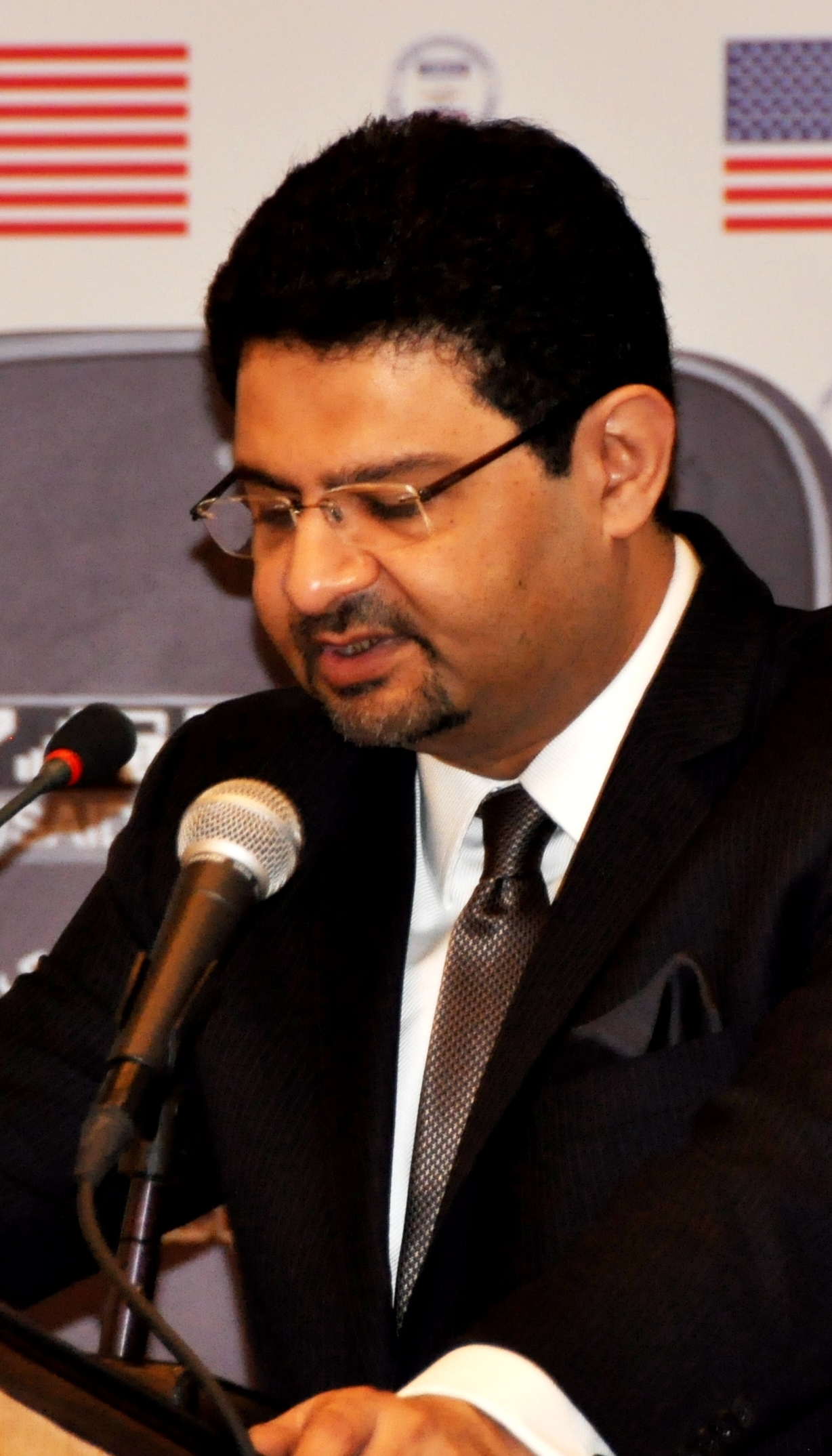
Pakistan will impose an extra one-time 10% tax on the large-scale industry for one year to raise over 400 billion Pakistani rupees ($1.93 billion) to clinch a crucial deal from the International Monetary Fund, Finance Minister Miftah Ismail said on Friday. The announcement comes ahead of what Pakistan hopes will be an agreement to unlock a new tranche of IMF funds which are needed to avert a balance of payment crisis.
"Let me share this good news that this country isn't heading toward a default anymore," the finance minister told parliament in his concluding budget speech that brought in the new taxes. "We've taken very difficult decisions," he said.
Ismail called it a super tax, pleading with large-scale industry to bear with it for just one year to help shore up revenues urgently required to cut the fiscal deficit. He said the tax will be levied on 13 big industries, companies, and corporations, including sugar, steel, cement, oil and gas, fertilizer, cigarettes, chemical, automobiles, banks, textile, LNG terminals, and beverages, which have earnings exceeding 300 million Pakistani rupees ($1.45 million).
"So, their tax rates will go from 29% to 39%," he clarified separately in a tweet. But, he said there will be a blanket 4% super tax on all industries.
"Please, contribute your share just for one year. We desperately need it this year," Ismail appealed to the industrialists in his parliament speech. Pakistan's KSE 100 share index fell 4.8% on Friday after the government announced the tax rise.
Ismail said a revised budget will raise the revenue collection target to 7.4 trillion rupees from 7 trillion rupees after the tax imposition. He said a one-time tax slab from 10% to 40% will also be introduced on individual earnings from 150 million rupees to 400 million rupees a year.
The IMF has been pushing Pakistan to raise revenues and cut expenditures to trim the budget deficit to be able to get its next loan tranche of $900 million, which has been suspended since earlier this year. "It was necessary to resume the IMF program to save our country from default," Ismail said, adding that Pakistan will significantly reduce the total and primary budget deficit for FY2022-23 in agreement with the IMF.
The South Asian nation desperately needs the IMF funding as it has been in the grip of a financial crisis, with foreign exchange reserves held by the central bank falling as low as $8.2 billion, and the Pakistani rupee at record lows against the U.S. dollar. Pakistan entered the 39-month, $6 billion IMF program in 2019, but less than half of the amount has been disbursed to date as Islamabad has struggled to keep targets on track. ($1 = 207.2500 Pakistani rupees)
ALSO READ
-
Pakistan Lawyers Rearrested Hours After Bail as UN Experts Demand Immediate Release
-
Japan-Backed ILO Projects Help 23,000 Workers Gain Rights and Fight Child Labour
-
Afghan Lives and Medical Dreams at Risk: UN Urges Pakistan to Halt Forced Returns
-
Screwworm Resurgence Threatens U.S.-Mexico Livestock Trade
-
India Defends Energy Policy Amidst Rising Tariff Threats from U.S.


 Google News