

Gender Matters: How Early Childhood Development Differs for Boys and Girls in Pakistan
A World Bank study explores the gender-based differences in early childhood development in Pakistan. The research examines how psychosocial stimulation, parental distress, and early childhood education enrollment affect boys and girls differently. The findings show that girls, particularly under the age of three, are more vulnerable to parental distress and low stimulation levels. However, early childhood education positively impacts both boys and girls alike, highlighting the need for increased access to learning opportunities for young children.
 CoE-EDP, VisionRI
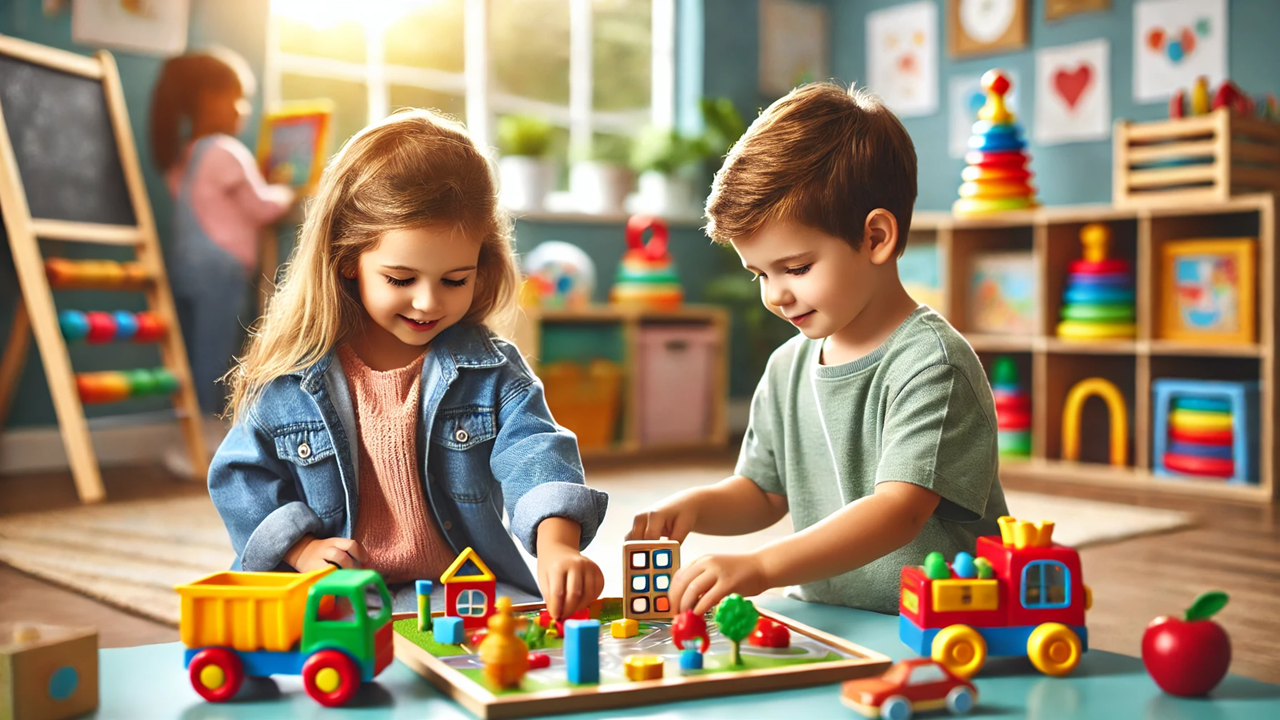
A recent study conducted by the World Bank has shed light on an important yet often overlooked issue: the different ways boys and girls in Pakistan develop during early childhood. The study explores how three crucial factors—psychosocial stimulation, parental distress, and early childhood education (ECE) enrollment—affect the developmental outcomes of boys and girls under the age of six.
Based on data collected from a nationally representative phone survey in Pakistan, the study evaluated two cohorts of children: those aged 0–35 months and those aged 36–72 months. While the findings indicate that both boys and girls benefit from psychosocial stimulation and ECE, the effects of parental distress are much more profound for girls, especially during their first three years of life.
The Impact of Parental Distress on Child Development
Parental distress can have wide-ranging consequences on child development. This study reveals that in children aged 0–35 months, both boys and girls are negatively impacted by parental stress. However, the effects are particularly harsh for young girls. The study shows that increased parental distress leads to notably lower developmental outcomes for girls in their earliest years.
Parental distress, characterized by feelings of anxiety, irritability, and difficulty providing affectionate care, affects the caregiver's ability to offer nurturing and responsive interactions that are essential for healthy child development. While both genders suffer from high levels of parental distress, the study emphasizes that girls under 35 months are significantly more vulnerable to these stressors compared to boys of the same age group.
By contrast, for children aged 36–72 months, the negative impact of parental distress on development was less pronounced, with no significant differences between boys and girls. This suggests that as children grow older, they may become less sensitive to parental distress or may have access to other forms of support, such as interactions with peers or teachers.
The Power of Psychosocial Stimulation
The study also highlights the critical role of psychosocial stimulation in early childhood development. Psychosocial stimulation involves engaging in activities like play, singing, talking, and other interactive experiences that foster a child's cognitive, social, and emotional growth.
For both age groups, higher levels of psychosocial stimulation were strongly linked to better developmental outcomes. However, the data showed that young girls aged 0–35 months are especially responsive to psychosocial stimulation. In contexts where girls received lower levels of stimulation, they fared worse in their development compared to boys. This finding underscores the importance of creating environments that provide stimulating, developmentally appropriate activities, especially for girls in their earliest years.
Interestingly, the gender difference in the effects of psychosocial stimulation fades as children grow older. For the 36–72-month age group, psychosocial stimulation continues to have a positive impact on both boys and girls, without any noticeable gender disparity. This suggests that while early interventions may need to be more targeted toward girls, ensuring high-quality stimulation benefits all children as they approach preschool age.
Early Childhood Education: A Universal Benefit
The study also explored the role of early childhood education enrollment and its effects on school readiness. Across the board, access to early education programs was linked to better development outcomes for both boys and girls. Children enrolled in ECE programs demonstrated higher levels of school readiness, as measured by cognitive, social-emotional, and motor skills.
Unlike parental distress and psychosocial stimulation, the study found no significant differences between boys and girls when it came to the benefits of early childhood education. This finding is significant because it points to the universal importance of providing access to high-quality ECE programs for all children, regardless of gender.
ECE enrollment was particularly beneficial for children aged 36–72 months, reinforcing the need for expanding access to early learning opportunities. While boys and girls may differ in how they respond to other developmental factors, when it comes to formal education, the playing field appears to level out.
Targeted Interventions for Gender-Equitable Development
The findings of this study carry important implications for early childhood development policies in Pakistan and other regions facing similar challenges. Early interventions that focus on reducing parental distress and increasing psychosocial stimulation at home can help address the developmental vulnerabilities that girls, in particular, face in their first three years of life. At the same time, expanding access to early childhood education programs can provide long-term benefits for all children, helping to bridge the gap between boys and girls as they prepare for school.
As the study demonstrates, early childhood is a critical period for development, and the influences children are exposed to—whether positive or negative—can shape their futures in profound ways. While both boys and girls benefit from nurturing, stimulating environments, girls may require additional support in the earliest stages of life to ensure they develop to their full potential.
The study, "Do Psychosocial Stimulation, Parental Distress, and Early Childhood Education Enrollment Show Different Associations with Early Childhood Development Outcomes for Boys and Girls?", provides invaluable insight into how early experiences shape gender differences in development. It calls for attention to gender-specific needs in crafting policies that promote equitable opportunities for children during their formative years.
- FIRST PUBLISHED IN:
- Devdiscourse


 Google News