

Dairy Farmers in New Zealand Strike Balance Between Profit and Biodiversity
In New Zealand, dairy farmers manage over half the land, with 10% used for dairy farming. Despite economic pressures, some prioritize native biodiversity, incorporating it into farming practices. Cultural changes are fostering new value hierarchies, balancing productivity with environmental considerations.
- Country:
- New Zealand
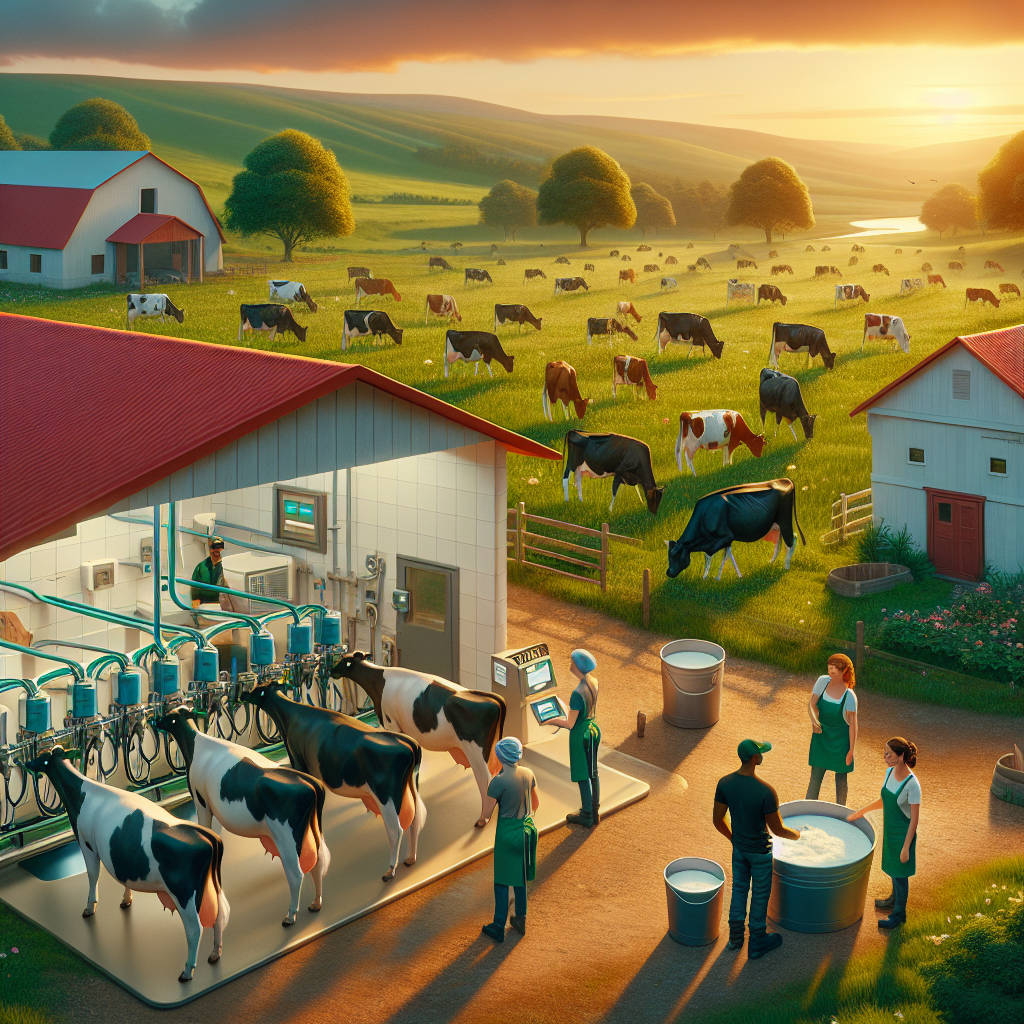
Auckland, Nov 28 - A new study highlights the struggle New Zealand's dairy farmers face in balancing profitability with the preservation of native biodiversity. With dairy farming accounting for 10% of Aotearoa's land use, the pressure to maintain economic viability is immense, especially in a market with minimal government support.
Interviews conducted with dairy farmers in Waikato and Canterbury revealed a hierarchy of values where economic needs often overshadow environmental concerns, though some farmers are incorporating native biodiversity into their practices despite the challenges. Planting natives comes at a financial and labor cost, yet it plays a crucial role in sustainable farm management for the eco-conscious.
The research points to a cultural shift in farming communities, as younger farmers are educated to acknowledge the environmental impact of agriculture. While older generations grapple with redefining good farming, there's a growing appreciation for integrating biodiversity. The future might see a broader acceptance of land care that harmoniously combines agriculture with ecological stewardship.
ALSO READ
-
Thailand’s $750 Million Nature Bond Puts Biodiversity at the Heart of Public Finance
-
Clean Energy’s $2 Trillion Funding Challenge Puts People and Nature in the Spotlight
-
WHO and KEI Explore Community Rights in Traditional Medicine Research and Innovation
-
New Zealand Gives NZ$300,000 to Help Developing Countries Build Safer Food Trade
-
What Your Honey Jar Doesn’t Show: Hidden Costs Squeezing Italy’s Beekeeping Farms


 Google News