

Trump's Energy Tariff Tactics: A New Trade Dynamic with Europe
President-elect Donald Trump urged the EU to increase U.S. oil and gas imports or face tariffs on vehicles and machinery. The EU, which buys a substantial share of U.S. energy, faces potential tariffs amidst Trump's plans to address trade deficits. The U.S. is a major energy producer.
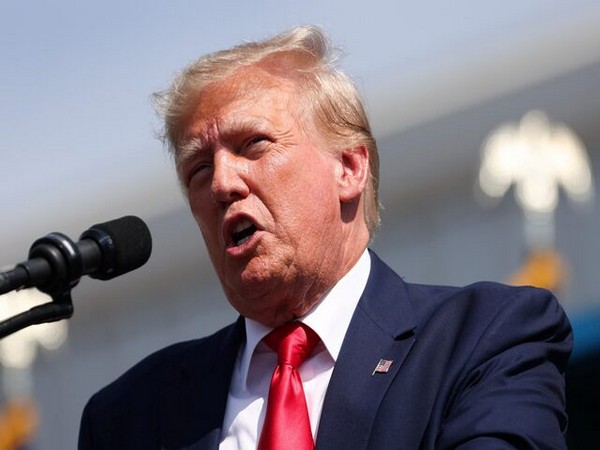
In an assertive announcement, U.S. President-elect Donald Trump has called on the European Union to enhance its imports of American oil and gas. Failure to do so, he warns, could result in punitive tariffs on the bloc's exports, including cars and machinery.
The EU currently absorbs the majority of U.S. energy exports, yet no additional volumes are projected unless the U.S. ramps up production or redistributes supplies from Asia. Trump's comments highlight potential tariffs as a means to address the U.S.'s significant goods trade deficit with the EU, which stood at 155.8 billion euros last year.
The European Commission expressed willingness to discuss deepening relations with the new administration, stressing a commitment to diversifying energy sources away from Russia. As the U.S. further establishes itself as a dominant energy producer, exporting surplus oil and spending a substantial amount to Europe, the stage is set for intense economic negotiations.
ALSO READ
-
ADB’s Five-Year Plan Backs Better Services and More Jobs Across Papua New Guinea
-
EU Firms Rethink Supply Chains as Geopolitical Risks Reshape Global Trade
-
Lee Jae Myung's Diplomatic Milestones: Balancing Amidst Global Tensions
-
Diplomatic Moves: Takaichi's UN Meeting with Trump
-
Trade War Chessboard: Agriculture, Energy, and Rare Earths in Focus


 Google News