

Madagascar and WFP Sign MOU to Strengthen Food Security and Resilience
The WFP's Country Strategic Plan for 2024-2028 aligns with the Government of Madagascar’s vision to strengthen rural community resilience.
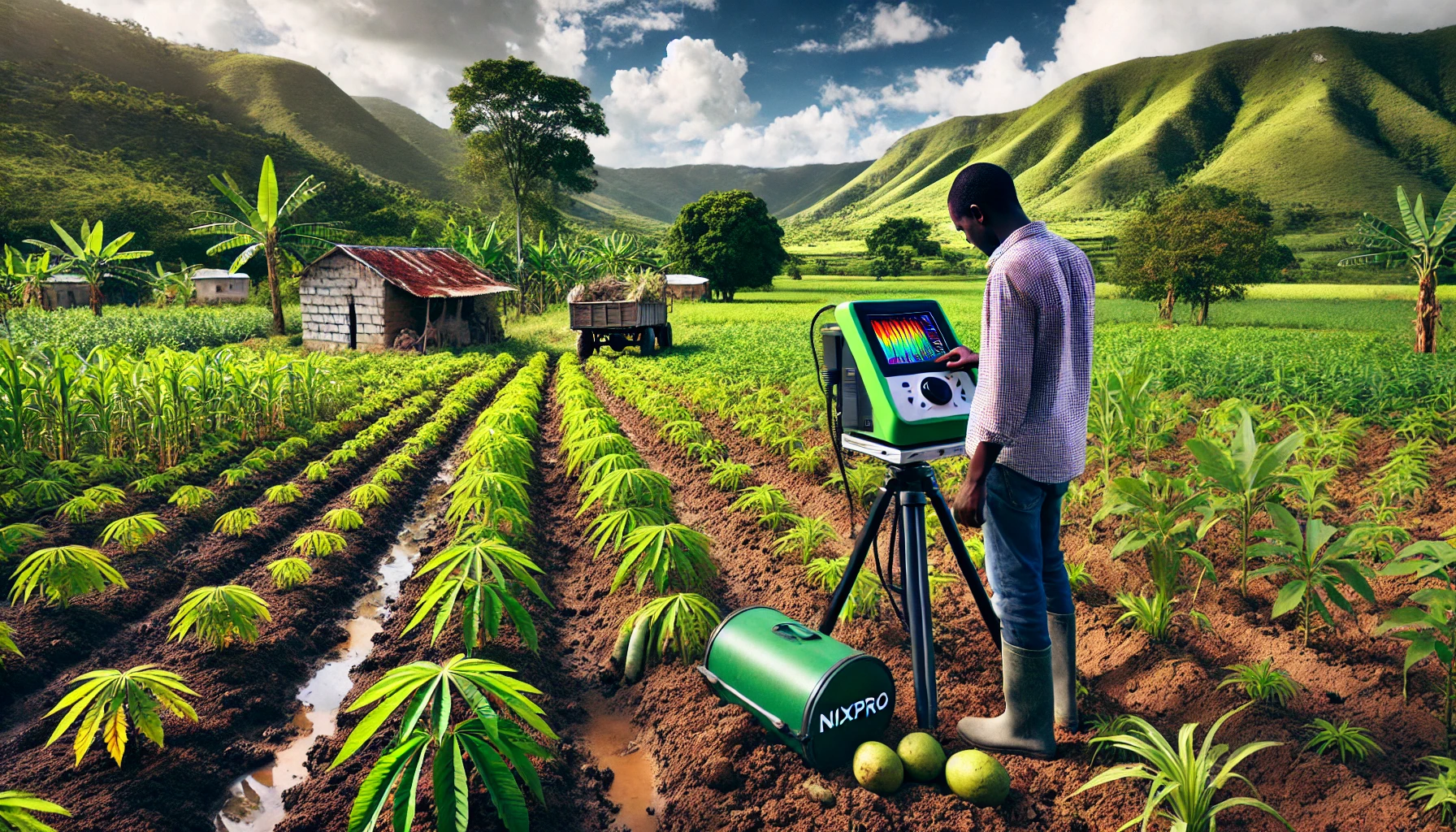
The Ministry of Agriculture and Livestock of Madagascar and the World Food Programme (WFP) have reaffirmed their commitment to advancing food and nutrition security in the country by signing a memorandum of understanding (MOU) aimed at transforming food systems and building resilience among vulnerable populations.
The strategic partnership will focus on four key areas: supporting the definition and implementation of national agricultural policies, establishing coordination and monitoring mechanisms for joint initiatives, strengthening community resilience and food production self-sufficiency, and fostering South-South cooperation to share knowledge and resources.
Strategic Focus on Resilient Food Systems
The MOU, which is set to be effective from December 2024, will span four years and be rooted in national priorities and the United Nations Sustainable Development Goals (SDGs). The agreement emphasizes the need for innovative and inclusive solutions to build food systems capable of withstanding economic and environmental shocks, ensuring long-term food security for Madagascar's population.
WFP's acting Country Director and Representative, Mamadou Mbaye, highlighted the importance of the collaboration: "Through innovative, inclusive, and appropriate solutions, we are collaborating with our partners to build food systems that can withstand shocks and ensure human dignity," said Mbaye. "Key interventions include facilitating market access for smallholder farmers, enhancing agricultural resilience through climate risk management, anticipatory actions, agricultural insurance, and promoting renewable energy in rural communities."
Key Areas of Cooperation
The MOU outlines four main pillars of cooperation:
Agricultural Policy Support: Assisting in defining and implementing effective agricultural policies that address the country's unique challenges.
Joint Projects and Coordination: Establishing mechanisms for strategic direction and monitoring the implementation of joint projects and programs that target food security and resilience.
Community Resilience and Self-Sufficiency: Promoting sustainable agricultural practices and local food production to strengthen community resilience, focusing on the most vulnerable populations.
South-South Cooperation: Fostering exchanges of knowledge, technology, and resources between countries in the Global South to support sustainable agricultural development.
Tackling Madagascar's Agricultural Challenges
Agriculture plays a vital role in Madagascar's economy, contributing approximately 24% to the nation's GDP and providing employment to nearly 80% of the population. However, the sector is plagued by several challenges, including frequent climatic shocks, low agricultural productivity, limited market access, inadequate infrastructure, and significant post-harvest losses.
Madagascar's Minister of Agriculture and Livestock, HEM Hajarison François Sergio, emphasized the importance of the collaboration: "This agreement, which is the result of strong cooperation between the Republic of Madagascar and WFP, is part of a broader and visionary approach," he stated. "It reflects our joint commitment to addressing food security challenges and improving resilience to both climatic and economic shocks."
WFP's Strategic Plan for Madagascar
The WFP's Country Strategic Plan for 2024-2028 aligns with the Government of Madagascar's vision to strengthen rural community resilience. The plan focuses on:
- Developing nutrition-sensitive agricultural value chains to improve food security.
- Supporting the National Multisectoral Action Plan for Nutrition IV by improving nutrition outcomes through sustainable agricultural practices.
- Establishing food reserves to ensure food availability in times of crisis, safeguarding communities from shocks.
Innovative Approaches to Food Security
In addition to its core initiatives, the collaboration will explore innovative approaches to food security. One example is the home-grown school feeding program, which aims to support local farmers by sourcing food for schools from regional producers. The partnership will also emphasize the use of climate-resilient agriculture and renewable energy in rural areas through the Rapid Rural Transformation initiative, which aims to improve agricultural productivity while mitigating climate change risks.
This partnership is poised to make a significant contribution to Madagascar's sustainable development, addressing critical challenges in food security and agricultural resilience, while ensuring a more robust, self-sufficient future for the country's rural communities.


 Google News