

China's Tariffs: A Ripple in the U.S. Energy Trade Waters
China has imposed tariffs on U.S. energy imports like crude oil and LNG, part of a broader trade measure by Beijing. This move affects U.S. energy exports, pushing them towards Europe and creating a search for alternative sources amidst tightening markets.
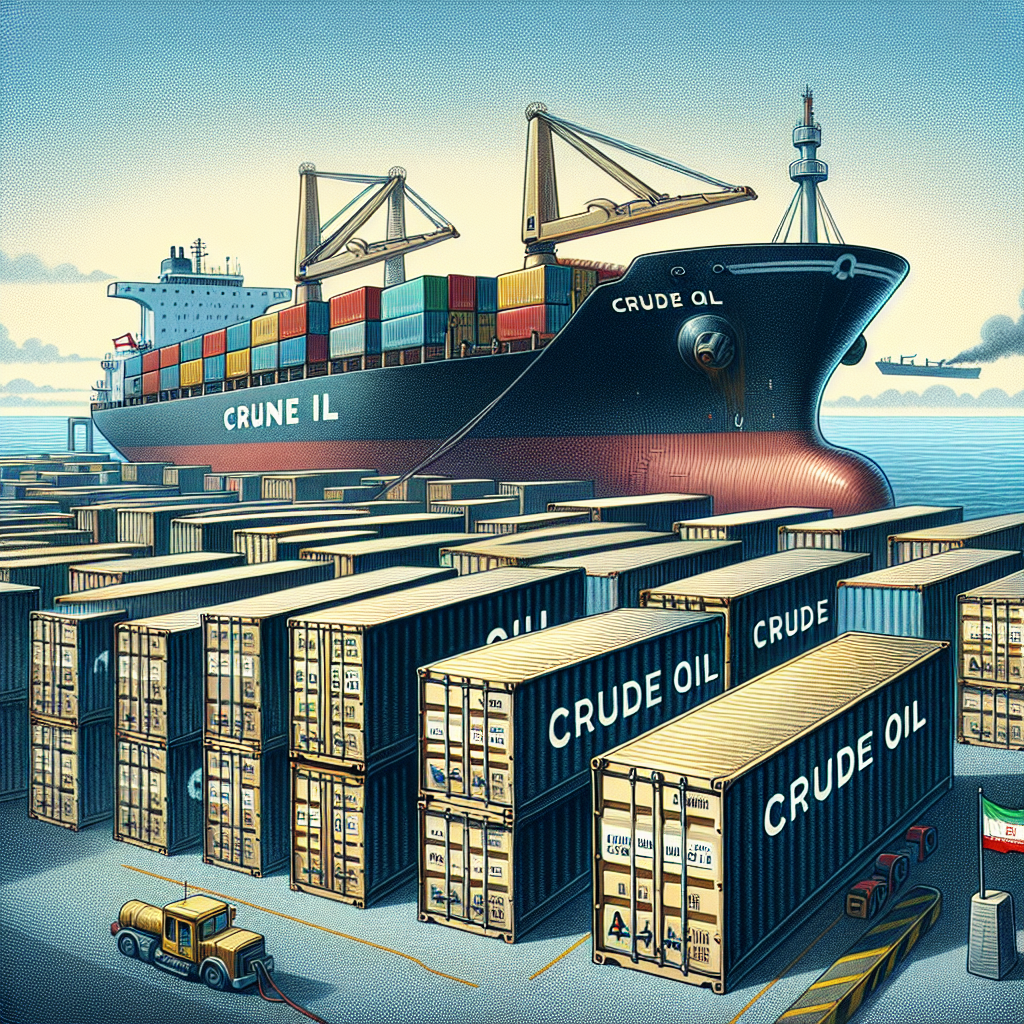
China, the leading global energy importer, has strategically placed tariffs on American energy goods in a move reacting to trade tensions. This decision particularly affects imports like U.S. crude oil and LNG, signaling a complex shift in global energy trade dynamics.
Since the tariffs, China's sourcing of U.S. crude saw a significant drop, although LNG imports have been on a contrasting upswing. Despite these tariffs, long-term LNG contracts remain viable, indicating that while spot purchases may decrease, the larger import relationship continues with complications.
The repercussions of China's tariffs extend beyond immediate trade numbers, potentially reshaping import strategies by Chinese buyers and offering opportunities for alternative suppliers such as European and Australian markets. Industry analysts continue to assess the broader impacts as markets remain pressured.
ALSO READ
-
WTO Sets Up Panel on EU Carbon Border Rules as Russia Challenges Restrictions
-
WHO Brings Global Experts Together to Strengthen Herbal Medicine Quality and Safety
-
Human Cost of Faster Work: Chinese Employees Weigh AI’s Promise Against Pay Fears
-
EU Firms Rethink Supply Chains as Geopolitical Risks Reshape Global Trade
-
China's August Disasters Yield $5.38 Billion in Losses


 Google News