

Vietnam's Solar Power Surge: A Green Shift in Energy Strategy
Vietnam is revising its energy strategy, significantly increasing solar capacity while reducing reliance on coal. Aiming to meet soaring energy demands by 2030, Vietnam's policy changes focus on solar and wind, tackling grid challenges, and allowing direct power purchases, despite rising coal usage.
- Country:
- Vietnam
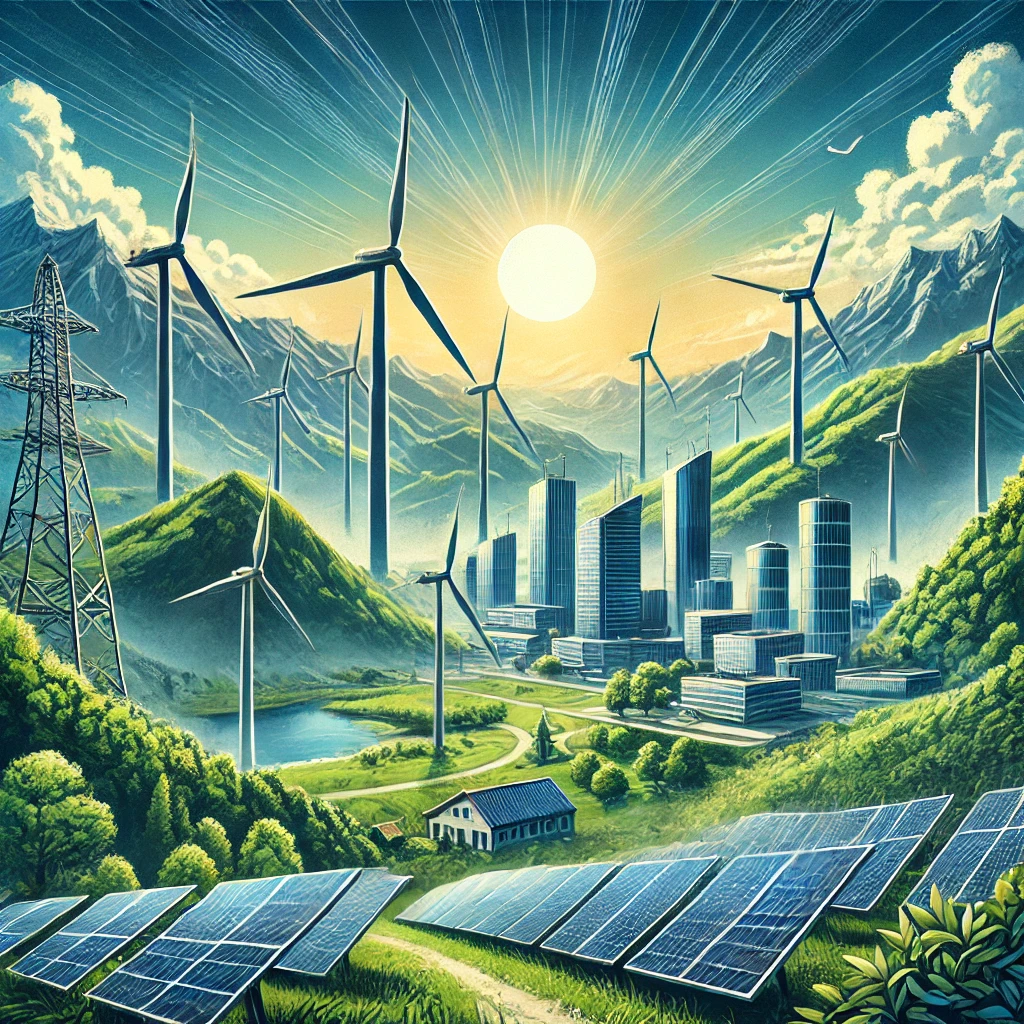
Vietnam is undergoing a strategic overhaul of its energy plans, pivoting towards expanding solar power facilities and reducing dependency on coal and natural gas. The Southeast Asian country, driven by a fast-growing economy, aims for solar power to supply 16% of its energy needs, significantly boosting its initial target of 5%.
The revised energy policy draft, expected to be finalized shortly, revises previous strategies to de-emphasize costly and challenging offshore wind projects in favor of more viable onshore operations, rooftop solar, and energy storage solutions. This shift is crucial for accommodating the anticipated power consumption surge—expected to exceed 211 gigawatts by 2030, 40% higher than earlier projections.
Challenges remain, particularly with Vietnam's outdated power grid and continued reliance on coal, exacerbated by recent increases in imports. However, the government is making strides by allowing factories to procure power directly from producers, providing a means to alleviate grid strain and promote industrial commitments to sustainability, particularly through solar energy utilization.
ALSO READ
-
ADB’s Five-Year Plan Backs Better Services and More Jobs Across Papua New Guinea
-
Carbon Capture Could Cut Solar Power Waste and Battery Needs Across ASEAN
-
Maldives Targets Debt and Fuel Dependence as ADB Sets Out Five-Year Support Plan
-
Trade War Chessboard: Agriculture, Energy, and Rare Earths in Focus
-
Syria's Diesel Deal: A Government's Strategic Shift Amid Crisis


 Google News