

Rail-Sea-Rail Boosts Coal Transport Efficiency to 54 Million Tonnes
Coal transportation through the rail-sea-rail route has nearly doubled in FY24 to 54 million tonnes. This increase results from improved logistical strategies and reduced congestion, supporting India's energy demand. The coal ministry emphasizes continued enhancements in RSR coal evacuation strategies.
- Country:
- India
The government's recent data reveals that coal transportation via the rail-sea-rail (RSR) route soared nearly twofold, reaching 54 million tonnes in the fiscal year 2024.
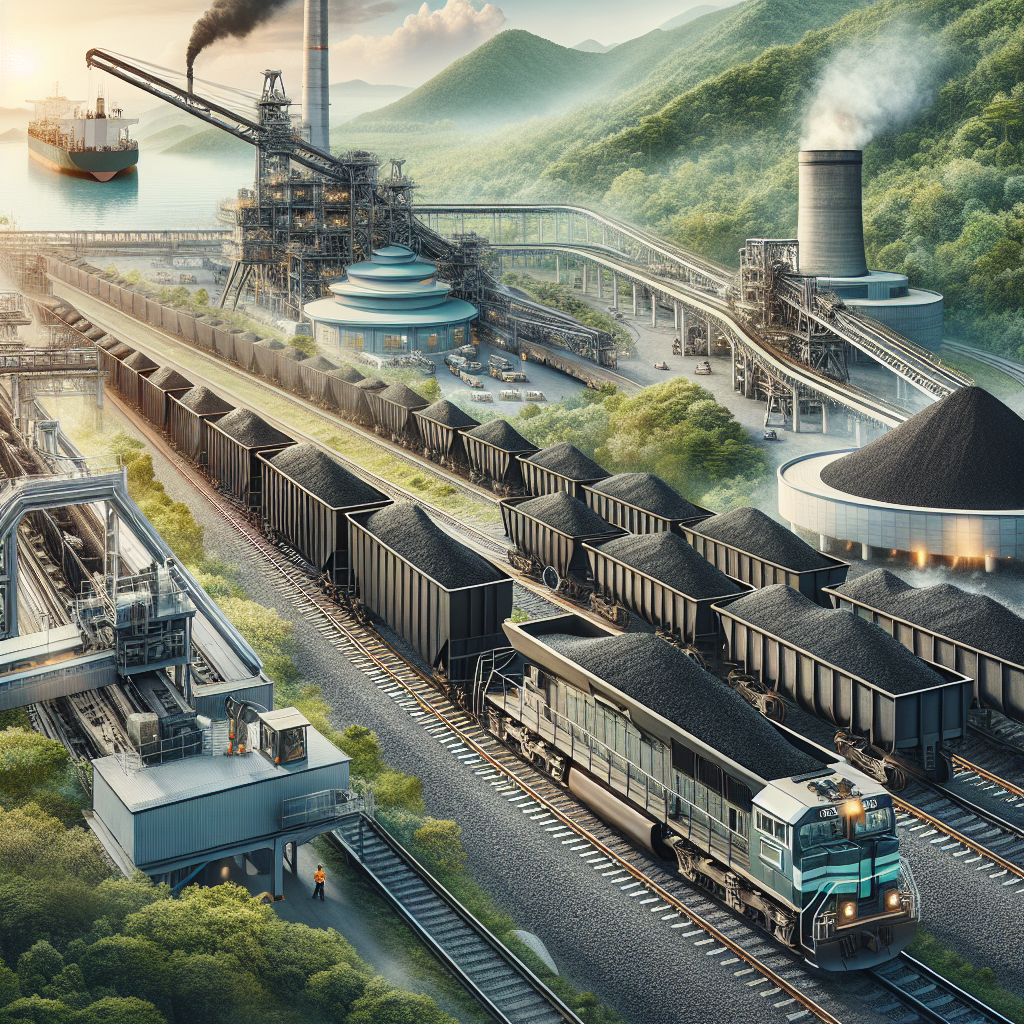
Strategically, the coal is conveyed from mines using a multi-modal system to various power plants, utilizing railways in two distinct legs. An initial rail leg moves coal from the mines to an unloading port, and a subsequent leg transports it from a loading port to power plants.
The Ministry of Coal has focused on enhancing this efficient logistical system, working closely with Indian Railways to address the increasing trend in coal movement, which reported 28 million tonnes in FY22. As part of this initiative, Indian Railways introduced a telescopic freight rate benefit, further encouraging coal movement through this preferred route.


 Google News