

Global Tariff Tensions Shake Markets
U.S. stock index futures tumbled as China imposed additional tariffs on U.S. goods, escalating trade tensions. Market reactions were swift, with major indices dropping, oil prices hitting lows, and government bond yields rising. Traders anticipate aggressive Federal Reserve interest-rate cuts amidst recession fears.
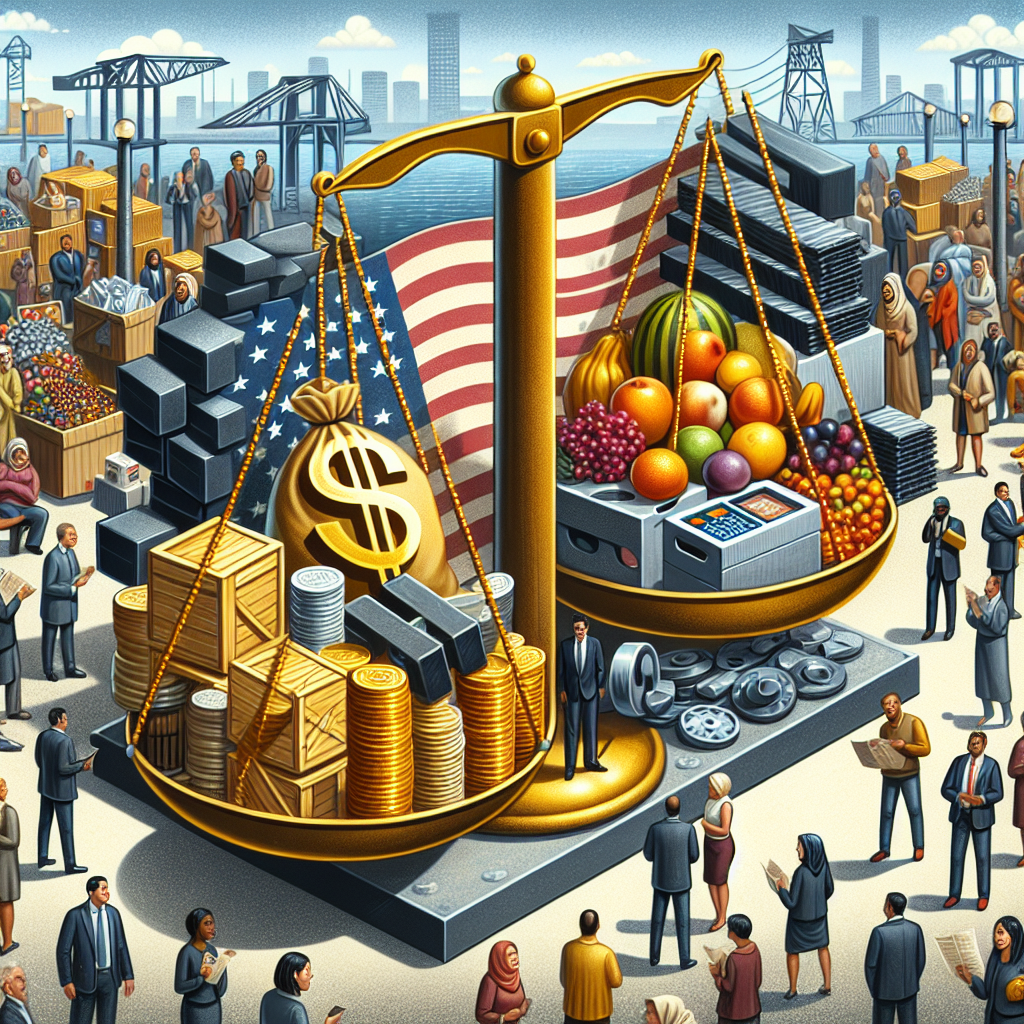
On Wednesday, U.S. stock index futures plummeted following China's announcement of increased tariffs on U.S. goods in response to President Donald Trump's reciprocal tariffs. China's new levies, up to 84% from a previous 34%, come amid heightened trade tensions, affecting global markets.
The immediate market reaction was severe. Investors withdrew from stocks, commodities, and bonds, highlighting diminished hopes for concessions. As major indices fell, the CBOE Volatility index, a measure of market fear, approached record highs.
Key stocks experienced premarket losses while bond yields surged, signaling concerns of an imminent U.S. recession. Meanwhile, U.S.-listed Chinese stocks posted gains as domestic support persisted. With a consumer inflation report due Thursday, global markets await critical economic indicators.
ALSO READ
-
EU Firms Rethink Supply Chains as Geopolitical Risks Reshape Global Trade
-
Trade War Chessboard: Agriculture, Energy, and Rare Earths in Focus
-
Vietnam's Stock Market Set for Boost with FTSE Upgrade
-
Trump and Xi Set for High-Stakes Summit: Trade, Taiwan, and Technology in Focus
-
Global Markets Rally as Central Banks Drive Economic Sentiment


 Google News