

Reservoir Expansion Fuels Water Tensions in Kashmir
India is enhancing reservoir capacity at two hydroelectric projects in Kashmir, spurring tensions with Pakistan following a recent suspension of the Indus Waters Treaty. This move aims to improve power generation efficiency but might disrupt water supply to Pakistan, which relies heavily on rivers flowing through India.
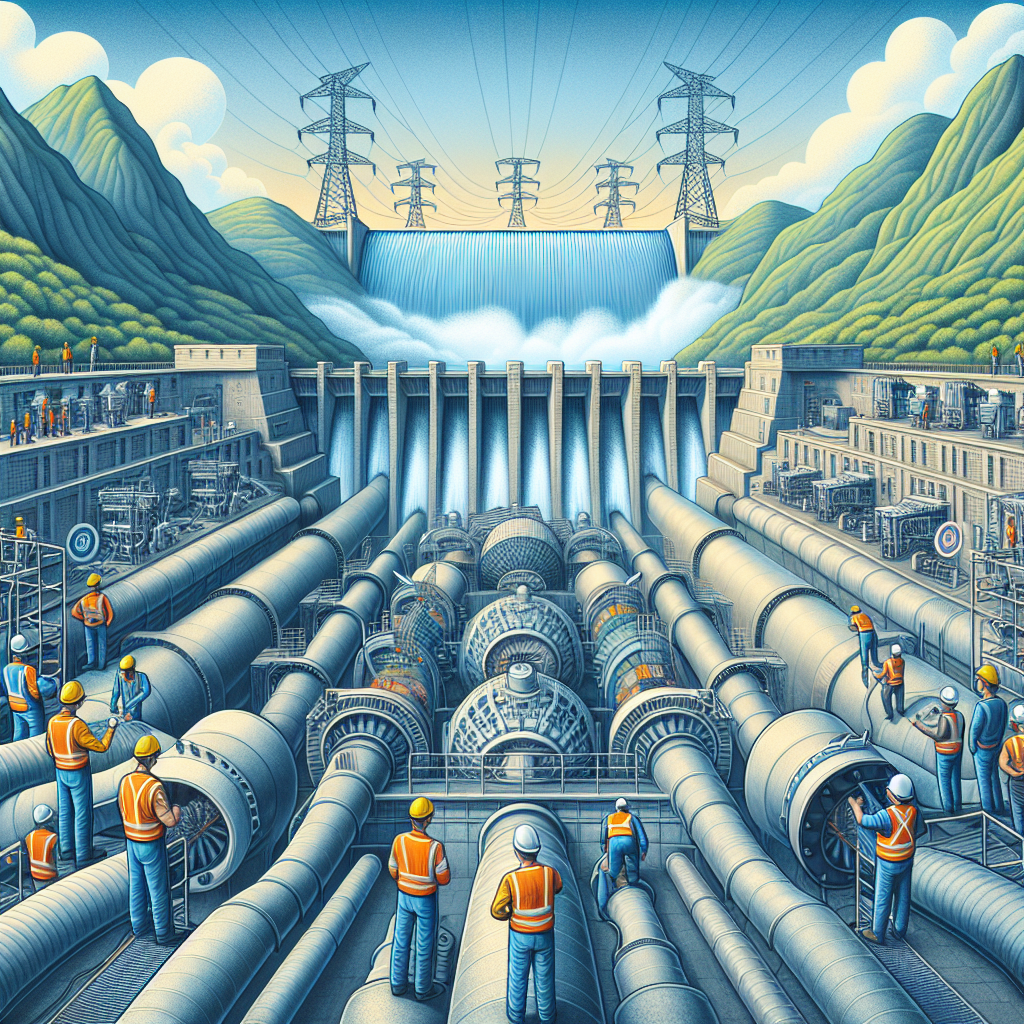
India is enhancing reservoir holding capacity at two hydroelectric projects in Kashmir, raising concerns as the nation recently suspended a water-sharing agreement with Pakistan. This development follows renewed tensions between the two nations after a deadly attack in Kashmir, exacerbating their historically contentious relationship over water resources.
The decision to suspend the Indus Waters Treaty has stirred Pakistani fears of reduced water flow, vital for its agriculture and energy sectors. India's state-run NHPC Ltd, along with Jammu and Kashmir authorities, initiated a 'reservoir flushing' process to mitigate sediment buildup, aiming to optimize power generation and prevent turbine damage.
Local residents in Kashmir observed significant water releases from the Salal and Baglihar dams. This action, taken without notifying Pakistan, marks a departure from the norms under the 1960 treaty and underscores India's strategic push for greater control over its water resources amidst ongoing bilateral tensions.
ALSO READ
-
Cleaner Kitchens, Polluted Skies: Hidden Health Cost of India’s Electricity Boom
-
Japan-Backed ILO Projects Help 23,000 Workers Gain Rights and Fight Child Labour
-
Afghan Lives and Medical Dreams at Risk: UN Urges Pakistan to Halt Forced Returns
-
India's Delicate Balancing Act: Navigating Energy Security Amid Middle Eastern Tensions
-
India Gears Up for Glory: Asian Games 2026 Preview


 Google News