

Drought Strikes Nepal's Terai Plains, Threatens Rice Bowl
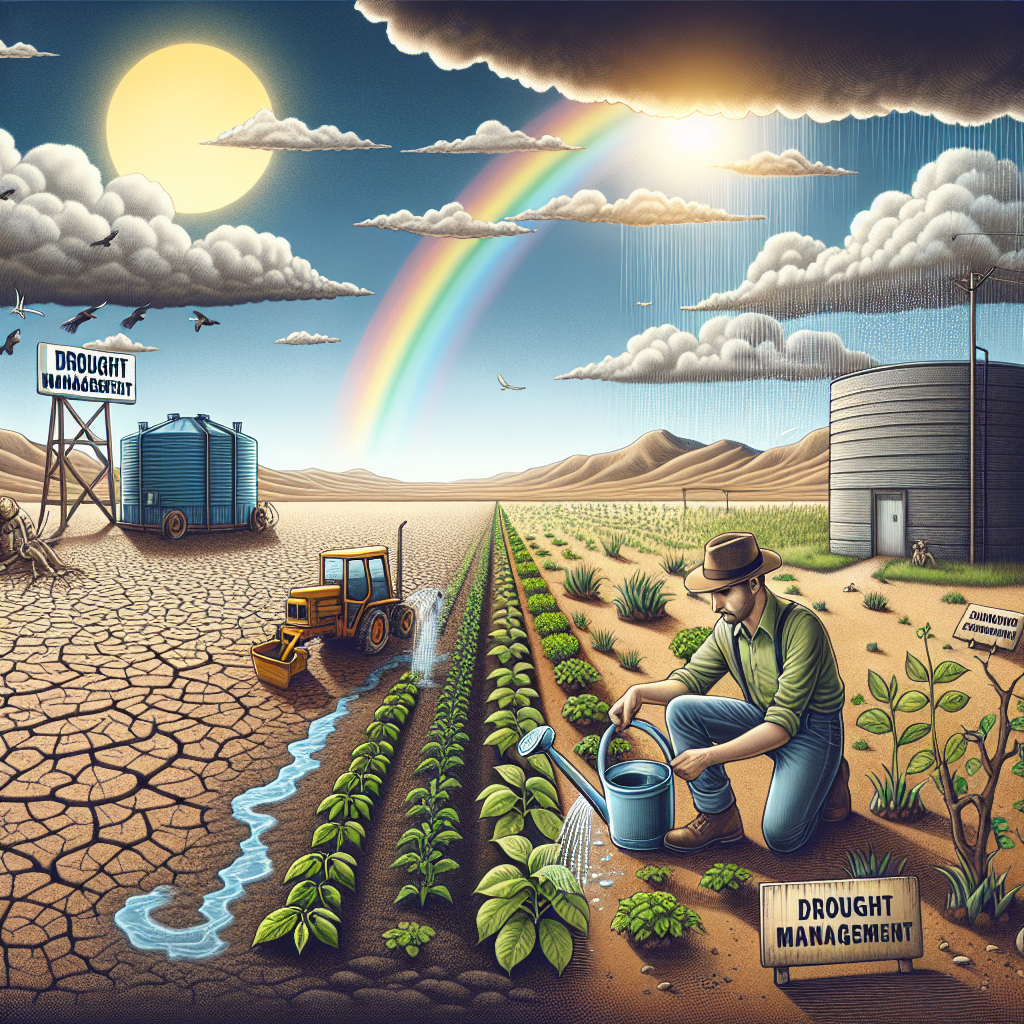
The Terai plains in Nepal face a severe drought, with rainfall significantly below average. This has led to a decline in paddy plantation in Madhesh province, critical for rice production. Farmers without irrigation are hardest hit. The government is urged to adopt better water management practices.
- Country:
- Nepal
The Terai plains in southern Nepal are grappling with a severe drought, as rainfall levels plummet far below the long-term average. This has caused just 33% of paddy plantations in the Madhesh province, Nepal's rice bowl, to be completed, according to officials.
Three regions—Madhesh province in the south, Koshi province in the east, and parts of western Nepal—experienced below-average rainfall from early June through mid-July, reported Dr. Indira Kandel, a senior meteorologist at the Department of Hydrology and Meteorology. In some areas of the Terai, rainfall has been as much as 50% below the long-term average.
The diminished rainfall is a major concern for farmers, particularly those lacking irrigation systems and relying solely on rainfall. Despite the grim scenario, experts hope for weather improvements in late July, potentially providing relief to the grain-rich southern Nepal.
ALSO READ
-
El Niño Health Alarm: Rising Heat, Floods and Hunger Put Communities on High Alert
-
Lumbini’s Sacred Future Takes Shape With Heritage Protection and Local Jobs at Heart
-
Japan-Backed ILO Projects Help 23,000 Workers Gain Rights and Fight Child Labour
-
UNDP and World Bank Join Forces to Unlock Investment and Jobs in Five Nations


 Google News