

OPEC+ Navigates Political Tensions Amid Oil Production Decisions
OPEC+ plans to maintain steady oil output despite ongoing political tensions among key members, including Saudi Arabia and the UAE. The group addresses supply concerns following a significant drop in oil prices, while navigating crises such as U.S. sanctions on Russia's oil exports and internal conflicts.
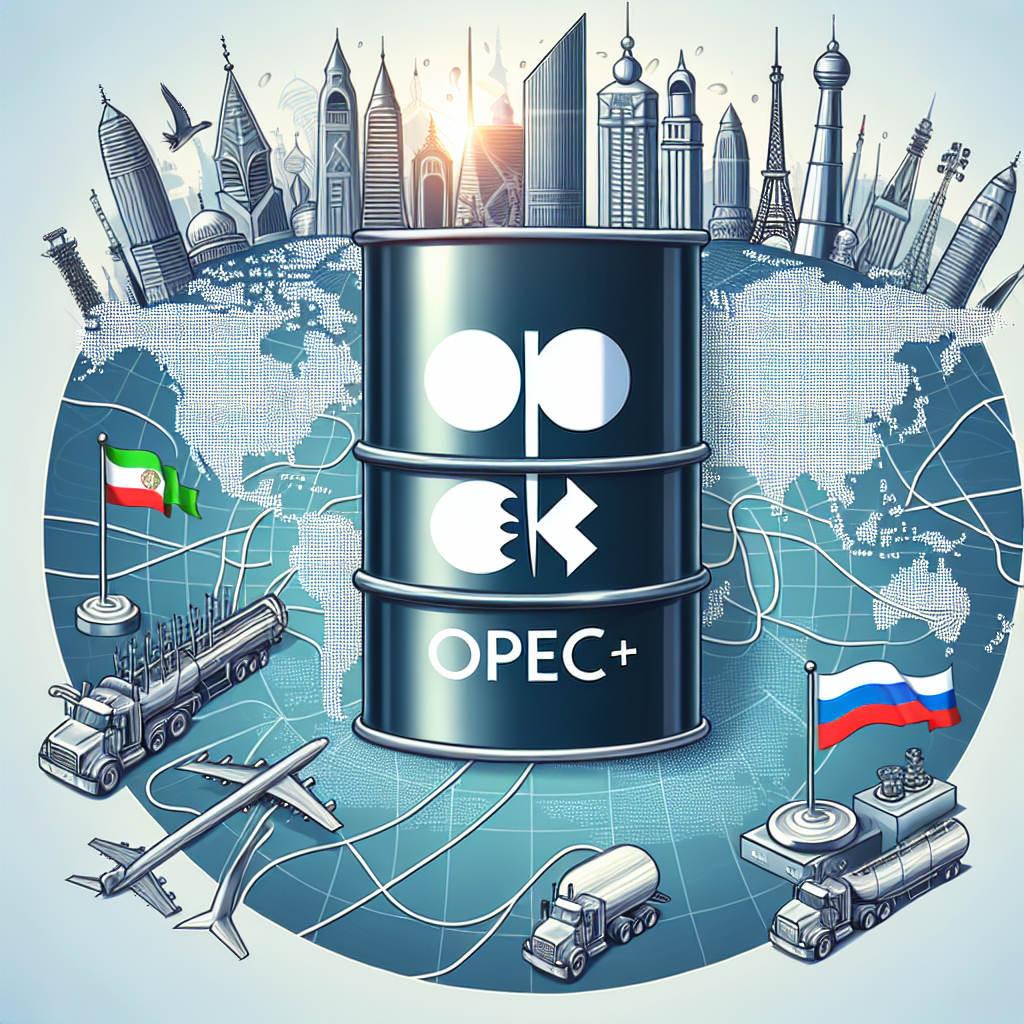
OPEC+ has decided to maintain a steady level of oil output, as confirmed by a delegate and a close source familiar with the group's discussions. This decision comes despite rising political tensions, particularly between Saudi Arabia and the UAE, compounded by the U.S. capture of Venezuelan President Nicolas Maduro.
The alliance, which includes Saudi Arabia, Russia, and other major oil producers, accounts for nearly half of the world's oil supply. They had previously increased output targets, but opted for a pause on hikes starting January. The deliberations occurred against a backdrop of a 2025 oil price fall of over 18%, marking the steepest annual drop since 2020.
Tensions over the conflict in Yemen have driven a wedge between Saudi Arabia and the UAE, challenging OPEC's internal unity. Additional pressure mounts with Russian oil exports hindered by U.S. sanctions, while Iranian protests add further complexity. The U.S. intervention in Venezuela, a nation with the world's largest oil reserves, raises additional uncertainties for future oil production strategies.


 Google News