

EU-Mercosur Trade Pact: Historic Accord Amidst Controversy
The European Union prepares to sign its largest free trade agreement with the Mercosur bloc after 25 years of negotiations, despite protests from some European farmers and political opposition. The agreement aims to reduce tariffs worth 4 billion euros, but faces criticism over potential impacts on agriculture and the environment.
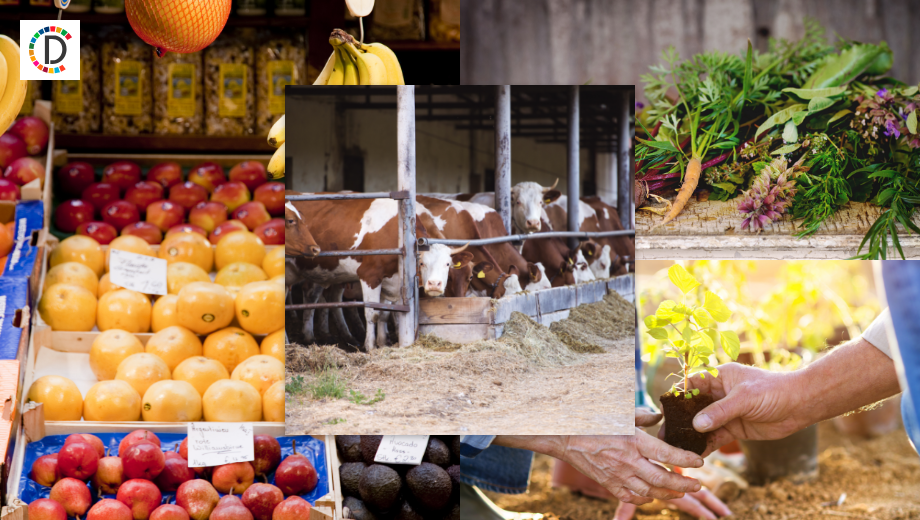
The European Union is poised to finalize its most significant free trade agreement with South America's Mercosur bloc, comprising Argentina, Brazil, Paraguay, and Uruguay. This historic move comes after 25 years of negotiations and months of persuading EU member states to support the deal.
The agreement was greenlit on Friday with approval from 21 out of 27 EU countries. Germany and Spain spearheaded the support, arguing the pact would counterbalance business losses from U.S. tariffs and diversify trade away from reliance on China. However, France, Poland, and other opponents remain critical, citing fears of increased imports of low-cost agricultural products harming local farmers.
Despite this, German Chancellor Friedrich Merz celebrated the decision as a milestone for Europe. As the EU awaits final approval from its parliament, environmental groups continue to rally against the deal, expected to be signed next week by Commission President Ursula von der Leyen in Asuncion.
ALSO READ
-
African Development Bank Steps Up Push to Deliver Roads, Airport and Services in CAR
-
Nigeria Launches $5 Billion AgriConnect Plan to Back Farmers and Create 2.5m Jobs
-
World Bank Backs Türkiye’s Farmers With $750 M to Boost Rural Jobs and Growth
-
Malawi’s Fragile Recovery Faces Jobs Test; Debt and State Firms Strain Economy
-
Tunisia’s Water Crisis Puts Jobs and Growth at Risk as Economic Recovery Loses Speed


 Google News