

The Great Disconnect: Financial Markets vs. Geopolitical Reality
The divergence between resilient financial markets and escalating geopolitical risks is a puzzling phenomenon. Investors are driven by psychological factors and historical patterns, such as the 'buy the dip' strategy, while policymakers face serious global challenges. This disconnect raises questions about market behavior amidst geopolitical turmoil.
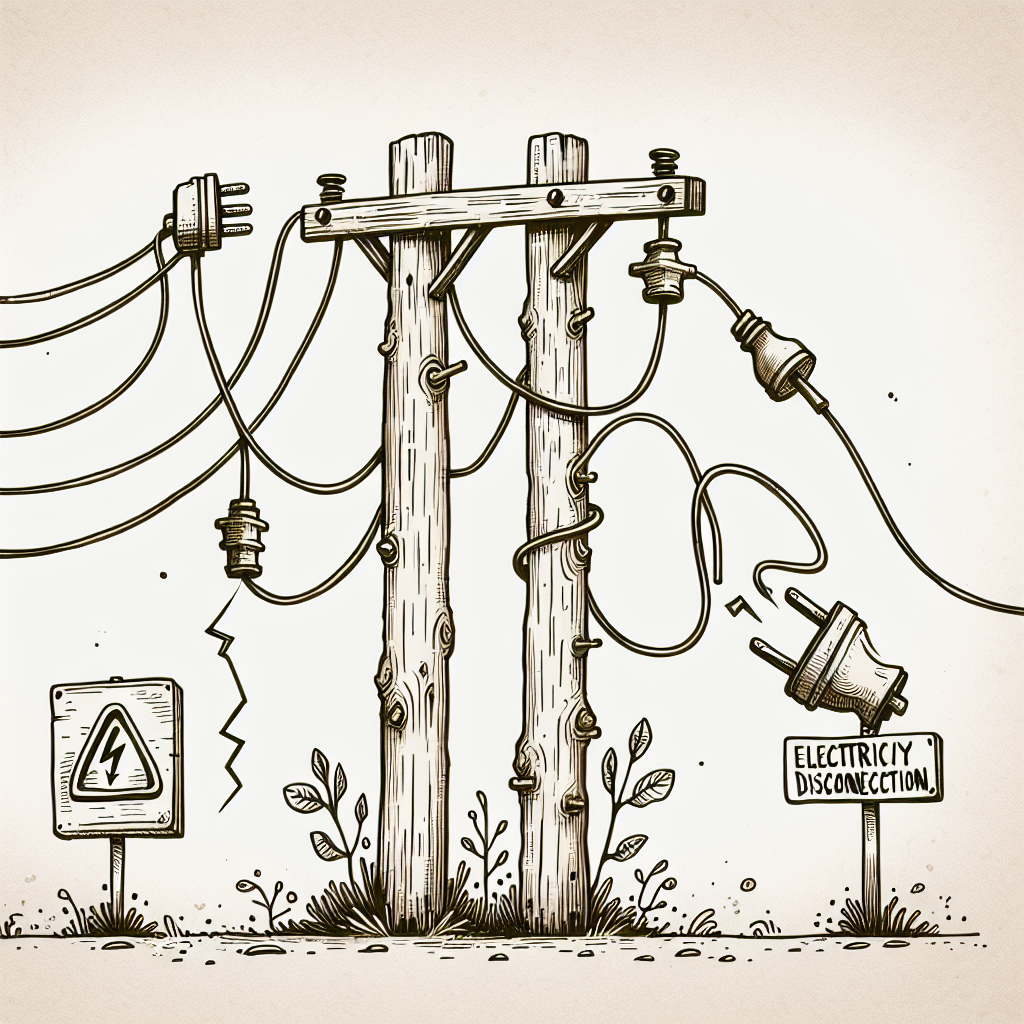
Financial markets remain resilient despite a storm of geopolitical and economic risks, creating a puzzling divergence that baffles both investors and policymakers. As global leaders convene for crucial discussions, the markets seem unaffected by looming threats like energy insecurity and geopolitical tensions.
Investors, perhaps conditioned by past trends and psychological factors, continue to rally on the perception of stability, bolstered by key strategies that have proven beneficial in the past. These include 'buy the dip' maneuvers and resistance to aggressive political actions. The artificial intelligence boom and strong corporate earnings also play their part in propping up market confidence.
Yet, voices like that of economic historian Adam Tooze warn of a cognitive dissonance at play. While markets surge, the real-world implications of geopolitical conflicts like the Iran war eventually loom large, posing significant long-term challenges that can't easily be switched off.


 Google News