

Morocco's Road Safety Reforms Deliver Decline in Traffic Deaths
Morocco has shifted from broad traffic policing to a targeted enforcement system based on crash data and risk analysis.
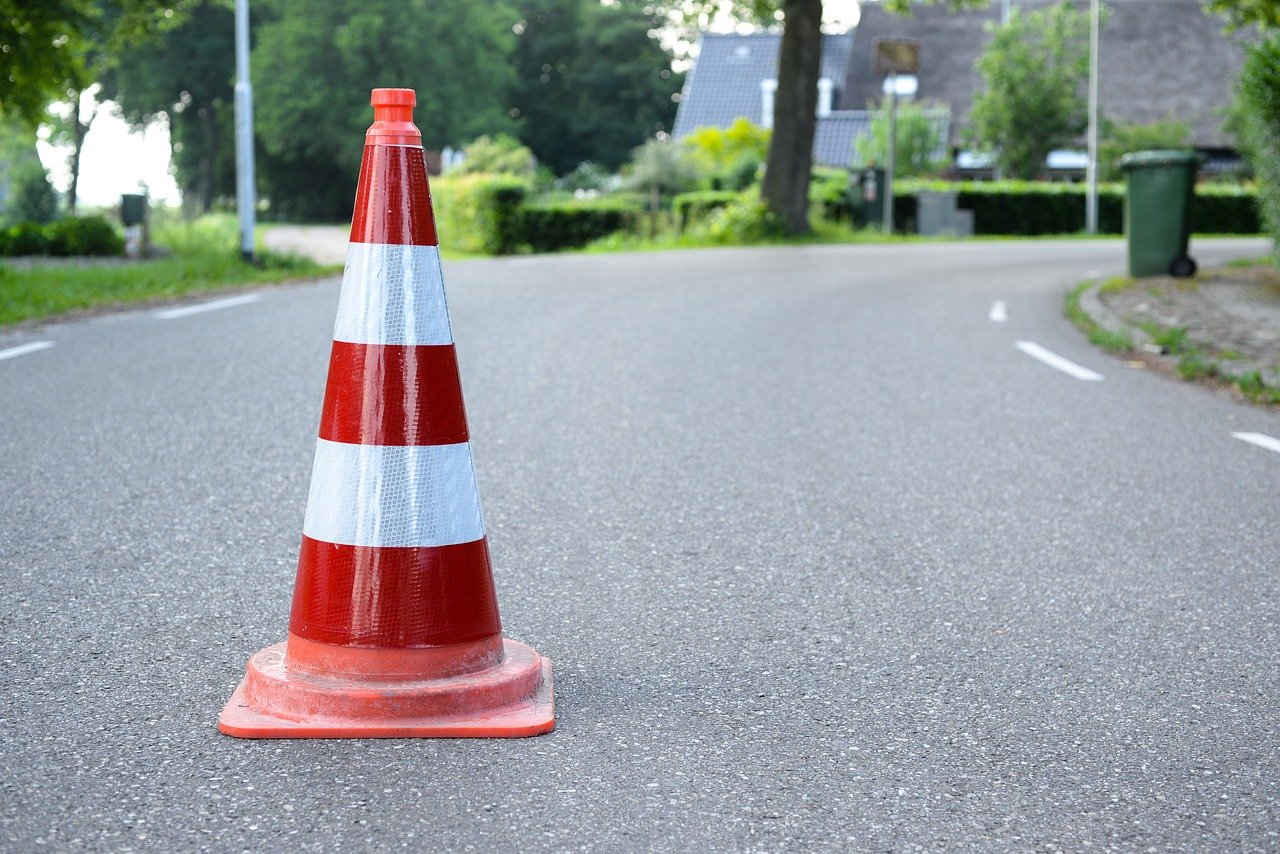
Morocco is emerging as a leading example of road safety reform after recording a decline in traffic fatalities through a coordinated national strategy backed by strong political leadership. The country's progress gained international recognition after it hosted the Fourth Global Ministerial Conference on Road Safety in 2025, where world leaders adopted a new declaration focused on reducing road deaths and serious injuries.
As countries prepare for the United Nations High-Level Meeting on Improving Global Road Safety in July 2026, Morocco's experience is being highlighted as a practical model for strengthening road safety through better governance, data-driven planning and coordinated action.
At the centre of Morocco's efforts is its Second National Road Safety Strategy (2017–2026), which set an ambitious target of cutting road deaths by 50 per cent within ten years. The strategy gave the National Road Safety Authority (NARSA) legal responsibility to coordinate enforcement, manage driver demerit points and oversee road safety equipment nationwide.
Data-Led Enforcement Improves Road Safety
Morocco has shifted from broad traffic policing to a targeted enforcement system based on crash data and risk analysis. Under the National Road Control Plan for 2022–2024, authorities identify high-risk locations using police and gendarmerie crash records analysed by NARSA's Observatory alongside safety performance indicators.
The plan focuses enforcement on five major traffic violations: speeding, drink driving, mobile phone use while driving, failure to wear seatbelts and failure to wear helmets. Modern enforcement equipment has also been introduced across all 12 regions, while regional road safety committees now play a greater role in implementing national priorities.
This coordinated system combines political oversight with technical leadership. An Interministerial Committee chaired by the Head of Government provides national direction, while a Permanent Committee led by the Minister of Transport coordinates implementation across government agencies.
Performance-Based Approach Offers Global Lessons
Morocco has also strengthened protection for vulnerable road users by introducing dedicated targets and funding for motorcyclists, pedestrians, children and professional transport. The strategy includes improvements in helmet standards, urban infrastructure, enforcement and public awareness campaigns designed to address the groups most at risk on the country's roads.
The World Health Organization points to Morocco's experience as evidence that lasting progress comes from combining strong institutions, measurable targets and continuous performance monitoring. Officials have regularly reviewed results, identified weaknesses and adjusted policies where necessary, allowing road safety programmes to become more effective over time.
Morocco's reforms highlight five important lessons for other countries: empowering a lead agency with both authority and funding, ensuring strong political support, strengthening regional coordination, using reliable data to guide enforcement, and continuously improving policies through performance evaluation. Together, these measures have helped create a more effective road safety system while contributing to a steady decline in road fatalities.


 Google News