

World Bank, Fukoku Life partners to outline need to address food loss and waste
The bond was issued by the World Bank (International Bank for Reconstruction and Development, IBRD, Aaa/AAA) for a total amount of SEK 500 million and Fukoku life is the sole investor in this transaction.
- Country:
- Japan
The World Bank and Fukoku Mutual Life Insurance Company (Fukoku Life) have partnered to raise awareness of the need to address food loss and waste issues and Fukoku Life has invested in a Sustainable Development Bond which supports the financing of sustainable development projects and programs in World Bank member countries. The bond was issued by the World Bank (International Bank for Reconstruction and Development, IBRD, Aaa/AAA) for a total amount of SEK 500 million and Fukoku life is the sole investor in this transaction.
Barclays is the sole underwriter and distributor of the bond.
About Food Loss and Waste
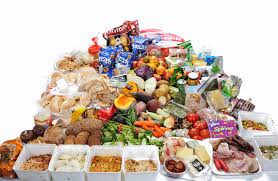
Food loss means the reduction in quantity or quality of food from production to distribution in the supply chain. Food waste occurs at the retail and consumer levels, where food that is otherwise edible is discarded. Around one-third of all food produced globally each year –1.3 billion tons –is lost or wasted. At the same time, more than 800 million people of the world's population are suffering from hunger. This issue is outlined by SDG 12.3.
IBRD provides support to middle-income countries to address food loss and waste from farm to fork, with investments in infrastructure, access to markets and logistics, as well as waste management. The World Bank is also working to raise people's awareness of the importance of combating food loss and waste which is a critical global issue. Sustainable Development Bonds support the financing of a portfolio of sustainable development projects including those which help combat food loss and waste, among others.
World Bank Project Examples
Mexico: Grain Storage and Information for Agricultural Competitiveness
The project will contribute to developing market conditions that enable producers to participate in a storage system that incentivizes productivity, reduces losses through post-harvest management, and facilitates access to financial mechanisms. Activities to improve the storage infrastructure including the construction, rehabilitation, or upgrading of existing grain storage facilities, including collection and trade centers.
IBRD Financing: $120 million
Angola: Smallholder Agriculture Development and Commercialization Project
The project aims to not only increase productivity and production, but also to improve the lives of rural poor people by reducing poverty, promoting balanced growth, and transforming agriculture in the project areas. The project will increase agriculture institutional capacity and address critical bottlenecks in the value chain. Activities to address post-harvest challenges include investments aimed at increasing value addition, reducing post-harvest losses, and strengthening market linkages for key priority food and vegetable crop. Investments will target packaging, storage, transport, small-scale processing, grading, and other post-harvest management activities.
IBRD Financing: $70 million
ALSO READ
-
East Asia’s AI Boom Fuels Growth and Opens a New Path to Better Jobs
-
Can Social Protection Create Better Jobs? World Bank’s 500 Million Target Faces a Major Test
-
From Imports to Industry: How Vietnam Built a Solar Export Powerhouse on Chinese Supply Chains
-
Tanzania’s Growth Gains Need Better Jobs to Bring Lasting Prosperity to More Families
-
Better Schools, Stronger Economy: Saudi Arabia Eyes a Major Growth Dividend From Education


 Google News