

Health News Roundup: Iran reports highest ever daily coronavirus deaths; Novel coronavirus can last 28 days on glass, currency, Australian study finds and more
Pandemic can be overcome quickly with right tools: WHO The global COVID-19 pandemic can be overcome quickly if countries use the right tools, the head of the World Health Organisation said on Monday, but warned that if those tools were not used it would remain for a long time.
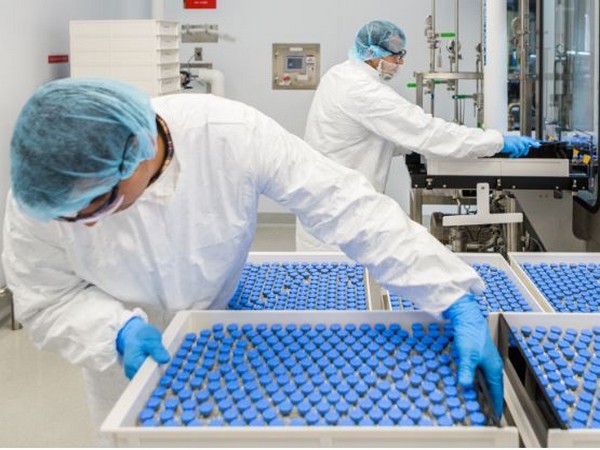
Following is a summary of current health news briefs.
As globe gallops into vaccine trials, insurers remain unfazed
The world is racing towards a vaccine in record time, stirring public concerns about safety to the extent that nine leading developers have felt compelled to issue a pledge to uphold scientific standards and testing rigour. Yet, while more than 40 experimental COVID-19 vaccines are being tested on humans, the insurance companies with decades of experience in assessing the risks of clinical trials don't see anything to be unduly concerned about.
Second human trials of Russian COVID-19 vaccine abroad, in UAE, have launched - Kremlin
Human trials of the Russian COVID-19 vaccine have begun in the United Arab Emirates, the Kremlin said on Monday in a statement detailing a phone call between President Vladimir Putin and Abu Dhabi Crown Prince Sheikh Mohammed bin Zayed al-Nahyan. The trials in the UAE are the second trials of the Sputnik V vaccine abroad, following the launch of trials in Belarus. Trials are also expected to begin in Venezuela in the near future.
South Korea's Daewoong Pharma gets approval for Phase 1 trials of COVID-19 anti-parasite drug
South Korean drugmaker Daewoong Pharmaceutical Co Ltd said on Monday that it had received regulatory approval for Phase 1 clinical trials of its anti-parasitic niclosamide drug to treat COVID-19 patients. The approval comes after the company in August received Indian regulatory approval to test the drug in Phase 1 trials.
UK PM Johnson to impose further COVID-19 restrictions but pubs angry
British Prime Minister Boris Johnson will on Monday impose a tiered system of further restrictions on parts of England as the COVID-19 outbreak accelerates, though anger is rising at the cost of the stringent curtailment of freedoms. Johnson has chaired an emergency response committee, known as a COBRA meeting, and will then address parliament at around 1430 GMT, offering lawmakers a vote later in the week on the measures. He will then hold a press conference.
Iran reports highest ever daily coronavirus deaths - TV
Iran registered a daily record 272 deaths from coronavirus in the past 24 hours, the health ministry said on Monday, taking total fatalities to 28,816 in the worst-hit country in the Middle East. Ministry spokeswoman Sima Sadat Lari told state TV that 4,206 new cases were identified in the past 24 hours, with the total number of identified cases spiking to 504,281.
Novel coronavirus can last 28 days on glass, currency, Australian study finds
The virus that causes COVID-19 can survive on banknotes, glass and stainless steel for up to 28 days, much longer than the flu virus, Australian researchers said on Monday, highlighting the need for cleaning and handwashing to combat the virus. Findings from the study done by Australia's national science agency, CSIRO, appear to show that in a very controlled environment the virus remained infectious for longer than other studies have found.
Thailand to make, supply AstraZeneca's COVID-19 vaccine
Thailand has agreed to manufacture and supply AstraZeneca Plc's experimental COVID-19 vaccine in the southeast Asian country and other nations in the region, the British and Thai governments said on Monday. The announcement by the British embassy in Bangkok did not specify how many doses of the vaccine candidate, AZD1222, would be distributed in Thailand. It also did not disclose the financial terms of the deal.(https://bit.ly/3lPxBLB)
What you need to know about the coronavirus right now
Here's what you need to know about the coronavirus right now: Europe records 100,000 daily cases Asia-Pacific countries begin to ease pandemic-related travel bans, but hurdles remain
Asia-Pacific countries including Singapore, Australia and Japan are gradually easing some international travel restrictions as coronavirus cases slow, in hopes of helping to revive their economies. International travel in Asia has collapsed during the pandemic due to border closures, with passenger numbers down 97% in August, according to the Association of Asia Pacific Airlines.
Pandemic can be overcome quickly with right tools: WHO
The global COVID-19 pandemic can be overcome quickly if countries use the right tools, the head of the World Health Organisation said on Monday, but warned that if those tools were not used it would remain for a long time. "If we use the tools we have at hand properly, we can end it soon," WHO Director-General Dr Tedros Adhanom Ghebreyesus said during the Financial Times' online Africa summit, adding a vaccine was expected late 2020 or early next year.


 Google News