

Assam widens frontline-worker category for Covid booster dose
- Country:
- India
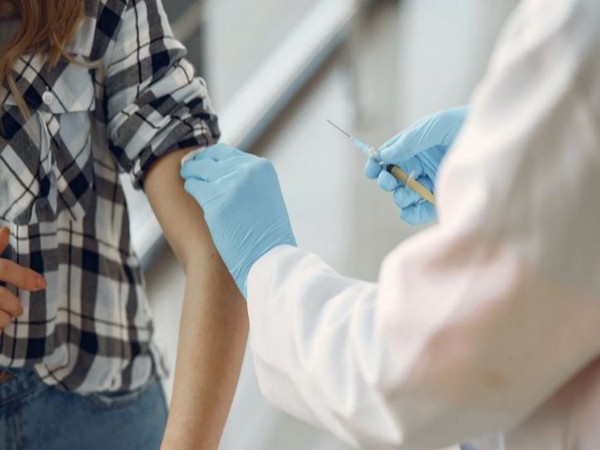
Given rising COVID-19 cases, the Assam government has widened the ambit of the 'frontline worker' category, allowing more people to be included in the 18-59 age bracket for booster doses at state-run vaccine centers.
The Assam Health & Family Welfare Department has now classified government employees, bank staff, media personnel, legal professionals, and people in the transport, energy, communication, medicine production, and e-commerce sectors, as frontline workers to facilitate booster doses for them.
Issuing a set of detailed guidelines on June 4, which were made available to the media on Wednesday, Health & Family Welfare Department Principal Secretary Avinash P Joshi said the new categorization was necessitated, as some people are likely to be at the highest risk of the virus, due to their professional duties.
''In the view of the steady increase of COVID-19 cases in few states, need is felt for widening the coverage of precaution dose amongst person(s) or group(s) of persons based on the work they perform, which is essential in nature or involves the maintenance or crucial infrastructure and services,'' he said.
Daily coronavirus infections in India were recorded above 5,000 after 93 days taking the total tally of COVID-19 cases to 4,31,90,282, while the active cases rose to 28,857, according to the Union Health Ministry.
At present, the third or booster dose is being administered at government centers for all healthcare and frontline workers along with senior citizens, while people in the 18-59 age group are administered the jabs at private units for a fee.
The new guidelines have categorized all government employees working in various departments in the districts, headquarters, and state secretariat as frontline workers (FLWs).
Public and private bank staff have also been bracketed as FLWs, along with people connected with transport, communication, media, legal services, and e-commerce for the booster doses.
Besides, the Assam government included people working in critical industries like oil and gas, coal, power, and medicine production in the group of flows.
Vulnerable groups like street vendors, the transgender community, and members of religious institutions like priests have also been listed as FLWs.
ALSO READ
-
Cleaner Kitchens, Polluted Skies: Hidden Health Cost of India’s Electricity Boom
-
Japan-Backed ILO Projects Help 23,000 Workers Gain Rights and Fight Child Labour
-
India's Delicate Balancing Act: Navigating Energy Security Amid Middle Eastern Tensions
-
India Gears Up for Glory: Asian Games 2026 Preview
-
India Defends Energy Policy Amidst Rising Tariff Threats from U.S.


 Google News