

WHO Report Highlights Vaccines as Key to Reducing Antibiotic Use by 22%, Combatting Antimicrobial Resistance
New findings underscore the potential of vaccines to avert millions of deaths and reduce the global burden of antimicrobial resistance, which claims nearly 5 million lives annually.
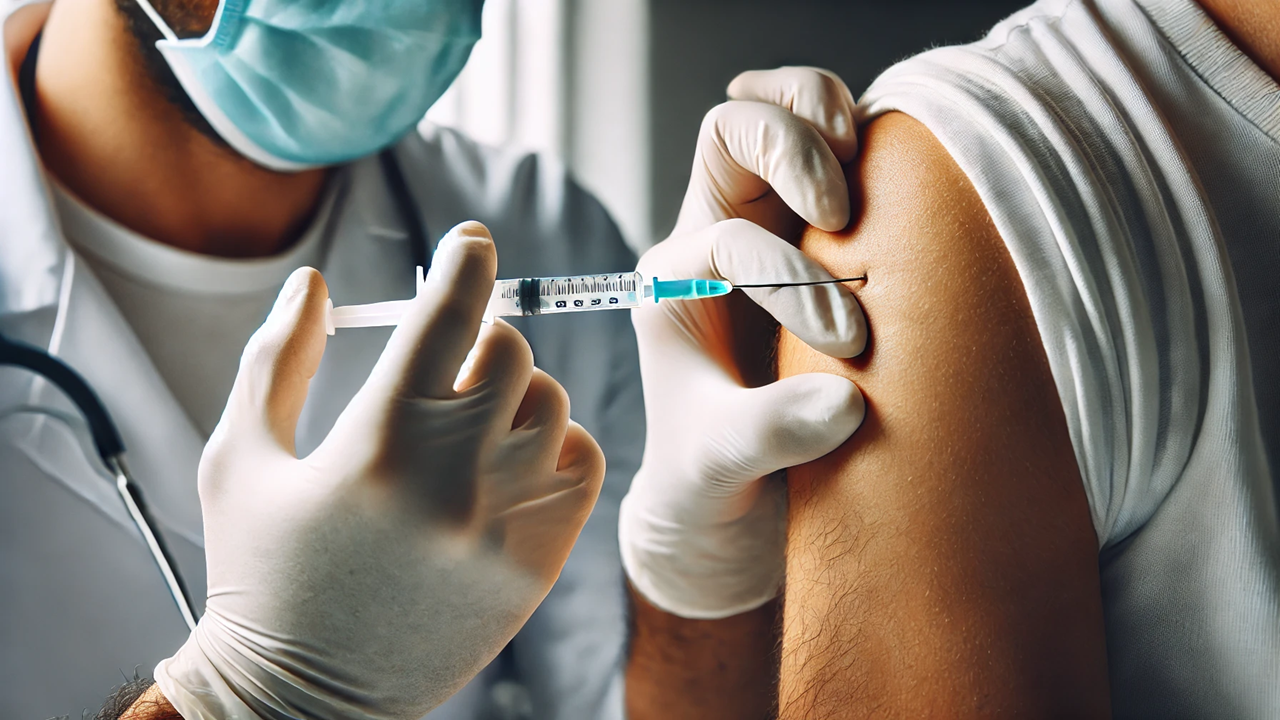
A new report by the World Health Organization (WHO) reveals that vaccines targeting 24 specific pathogens could reduce global antibiotic use by 22%, equivalent to 2.5 billion defined daily doses (DDDs) every year. The findings support the global push to combat antimicrobial resistance (AMR), a growing crisis that undermines the efficacy of treatments for infections. Some vaccines, while already available, remain underused, while others must be urgently developed and distributed to curb AMR's deadly impact.
The Growing Threat of AMR
AMR occurs when bacteria, viruses, fungi, and parasites evolve to resist antimicrobial medicines, rendering treatments less effective and making infections harder to treat. This leads to prolonged illnesses, higher death rates, and an increased spread of infections. AMR is fueled by the misuse and overuse of antimicrobials, but paradoxically, many communities worldwide still lack access to necessary antibiotics. The WHO estimates that AMR is responsible for nearly 5 million deaths annually.
Vaccines offer a crucial solution to prevent infections, reducing the need for antimicrobials and slowing the spread of drug-resistant pathogens. They help limit the overuse of antibiotics and serve as a core strategy to address the global AMR challenge.
The Impact of Vaccines on AMR
The new WHO report builds on a 2023 study published in BMJ Global Health, which analyzed the potential impact of existing and future vaccines. Vaccines that are currently in use, such as those targeting pneumococcus pneumonia, Haemophilus influenzae type B (Hib), and typhoid, could prevent approximately 106,000 AMR-related deaths annually. The report also projects that new vaccines—particularly for tuberculosis (TB) and Klebsiella pneumoniae—could prevent an additional 543,000 deaths each year once they are developed and made widely available.
While new TB vaccines are undergoing clinical trials, a Klebsiella pneumoniae vaccine remains in the early stages of development. This is significant because Klebsiella pneumoniae, a common cause of hospital-acquired infections, has shown high levels of resistance to multiple antibiotics.
WHO's Call to Action
Dr. Tedros Adhanom Ghebreyesus, Director-General of the WHO, emphasized the importance of vaccines in preventing infections, saying, "Addressing antimicrobial resistance starts with preventing infections, and vaccines are among the most powerful tools for doing that. Prevention is better than cure, and increasing access to existing vaccines and developing new ones for critical diseases, like tuberculosis, is critical to saving lives and turning the tide on AMR."
The report highlights the significant impact vaccines could have in reducing AMR, estimating that:
- Streptococcus pneumoniae vaccines, if distributed to 90% of children globally, could reduce antibiotic use by 33 million doses annually.
- Typhoid vaccines could save 45 million doses if introduced more rapidly in countries with high disease burdens.
- Malaria vaccines targeting Plasmodium falciparum could reduce unnecessary antibiotic use by 25 million doses, as antibiotics are often misused to treat malaria.
- TB vaccines could have the most substantial impact, potentially saving between 1.2 and 1.9 billion antibiotic doses annually. This would represent a large share of the 11.3 billion antibiotic doses used globally to treat diseases covered in the report.
Economic Benefits of Vaccination
In addition to health benefits, widespread vaccine use could significantly reduce the economic costs associated with AMR. The report estimates that treating resistant pathogens currently costs hospitals around $730 billion annually. Implementing vaccines for the evaluated pathogens could cut a third of these costs by preventing infections and reducing the need for costly treatments.
Global Commitment to Combat AMR
At the 79th United Nations General Assembly High-Level Meeting on AMR in September 2024, world leaders reaffirmed their commitment to addressing AMR. They approved a political declaration that sets ambitious targets, including a 10% reduction in the nearly 5 million human deaths caused by bacterial AMR annually by 2030. The declaration emphasizes the importance of expanding access to vaccines, diagnostics, and treatments, while also calling for increased investment in health research, innovation, and multisectoral collaboration.
A Comprehensive Approach
Tackling AMR requires a multifaceted, people-centered approach across health systems worldwide. Vaccination is recognized as a core component of this strategy, especially when combined with other interventions, such as improved diagnostics and infection control measures.
By preventing infections before they occur, vaccines reduce the need for antibiotics and help slow the emergence of drug-resistant pathogens. As the report makes clear, scaling up vaccination efforts will be key to addressing one of the most pressing public health challenges of our time.


 Google News