

Anupriya Singh Patel highlights regulatory progress in clinical trials and medical devices at 19th ICDRA
Smt. Patel lauded the significant strides India has made in its regulatory framework, highlighting the introduction of new regulations in clinical trials and medical devices that align with international standards.
- Country:
- India
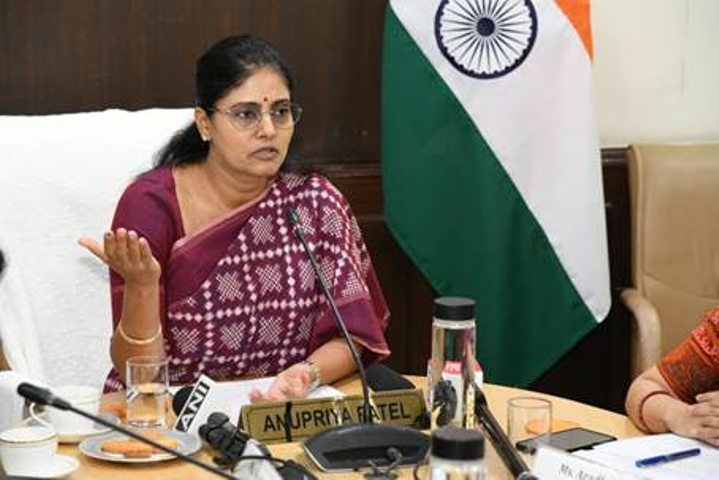
Union Minister of State for Health and Family Welfare, Smt. Anupriya Singh Patel emphasized the importance of knowledge-sharing, partnerships, and regulatory harmonization in her address at the 19th International Conference of Drug Regulatory Authorities (ICDRA) held in India from October 14-18. The event, hosted by the Central Drugs Standard Control Organization (CDSCO) in collaboration with the World Health Organization (WHO), brought together over 200 regulatory authorities, policymakers, and health officials from around the world.
Smt. Patel lauded the significant strides India has made in its regulatory framework, highlighting the introduction of new regulations in clinical trials and medical devices that align with international standards. She noted that the New Drugs and Clinical Trial Rules 2019 and the Medical Device Rules 2017 have promoted ethical research while ensuring safety and quality, benefiting both the healthcare system and the economy. She also underscored India's global collaborations, including its recognition as an affiliate member of the International Medical Device Regulators Forum (IMDRF) and the alignment of Indian Pharmacopoeia with international standards.
In her speech, the Union Minister emphasized the adoption of e-governance and good regulatory practices to enhance the regulation of medical products in India, noting that antimicrobial resistance (AMR) containment remains a top priority for the country.
Global Regulatory Cooperation and India's Role
Smt. Patel commended WHO's role in strengthening global regulatory systems, praising its initiatives in promoting partnership, pharmacovigilance, and reducing animal experimentation. She affirmed India's commitment to collaborating closely with WHO in these areas, demonstrating the country's dedication to contributing to global public health.
She also highlighted the government's commitment to building a strong healthcare system, citing programs like Ayushman Bharat, which provides access to quality healthcare to over 500 million people. In addition, she pointed to the potential of Artificial Intelligence (AI) in revolutionizing healthcare by improving decision-making, patient care, and research.
NITI Aayog's Vision for Technology-Driven Healthcare
Dr. VK Paul, Member (Health) of NITI Aayog, emphasized the critical role of quality medicines in improving lives and highlighted India's leadership in digital health and vaccine development during the pandemic. He pointed to India's licensing of eight vaccines during COVID-19, including mRNA, DNA, and nasal vaccines, at a fraction of the global cost, showcasing the country's innovation and regulatory strength.
Dr. Rajiv Bahl, Secretary, Department of Health Research and Director General of ICMR, underscored the importance of strong regulatory frameworks in health research, citing India's swift approval of diagnostic tests and vaccines during the pandemic. WHO's Assistant Director-General, Dr. Yukiko Nakatini, echoed the need for robust regulatory systems, recognizing India's achievement in retaining Maturity Level III for vaccine regulation.
The event also saw participation from international experts such as Ms. Kimberlee Trzeciak, Deputy Commissioner of the US FDA, and Dr. Rogerio Gasper, Director of WHO's Department of Regulation and Prequalification, who discussed advanced drug manufacturing practices and the importance of global regulatory collaboration.
India's first hosting of ICDRA marks a significant milestone in its journey toward global leadership in health regulation, innovation, and collaboration, with a strong commitment to ensuring safe and effective medicines for all.


 Google News